


 عربى
Product categories
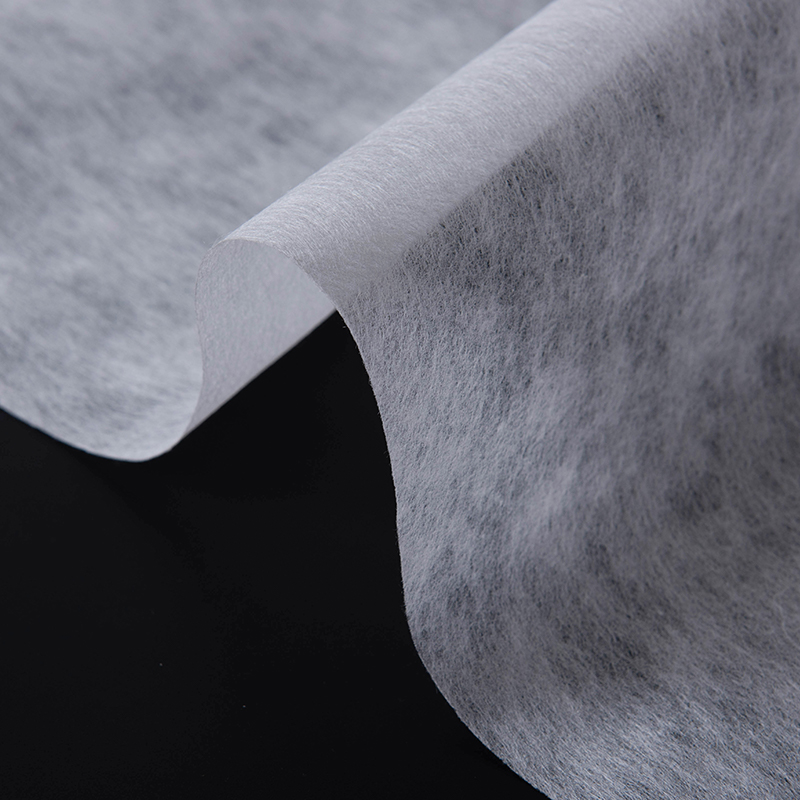
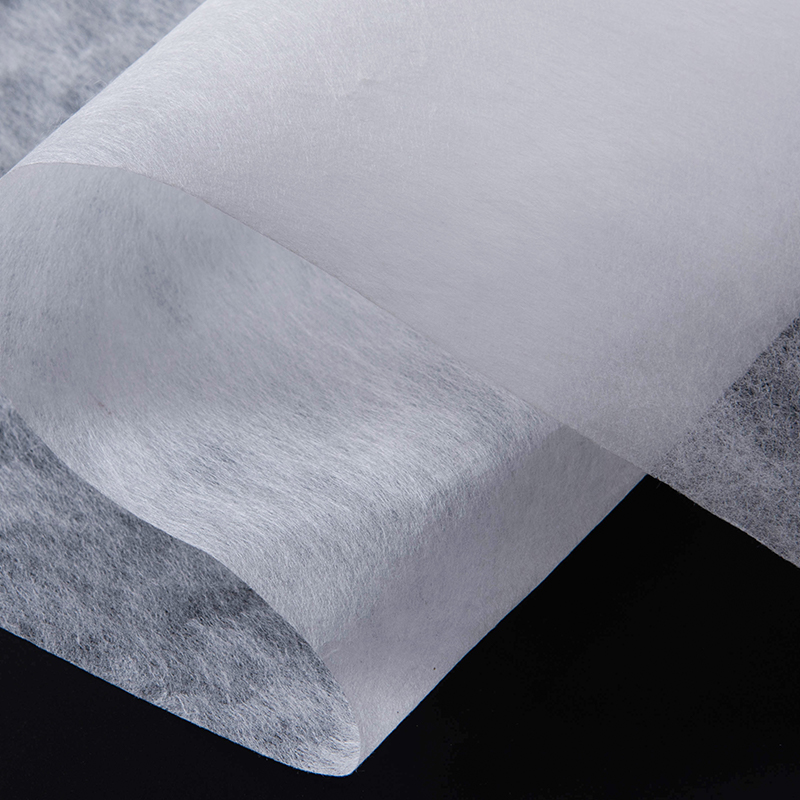
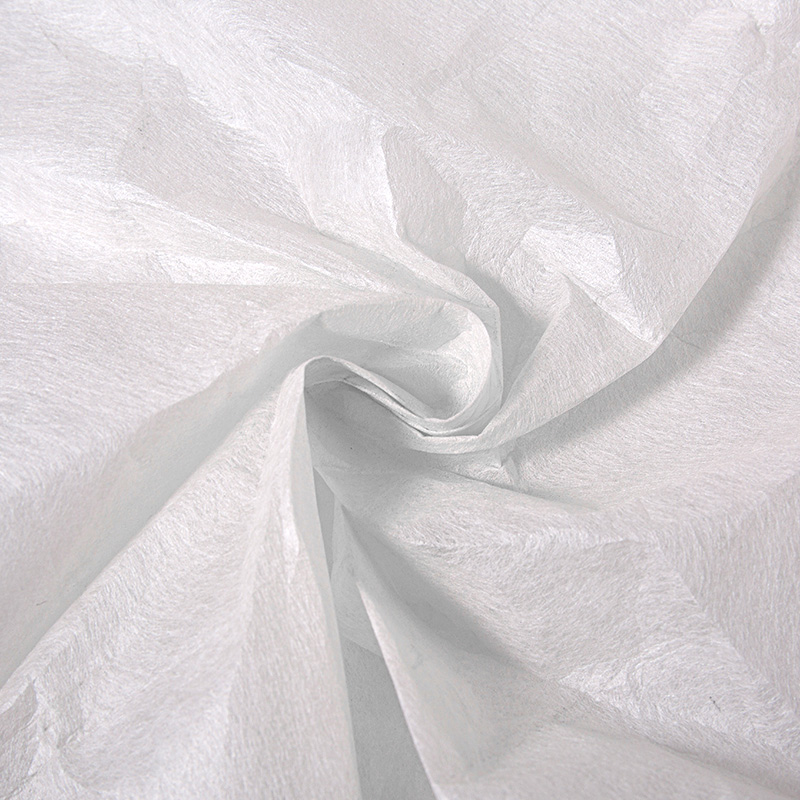
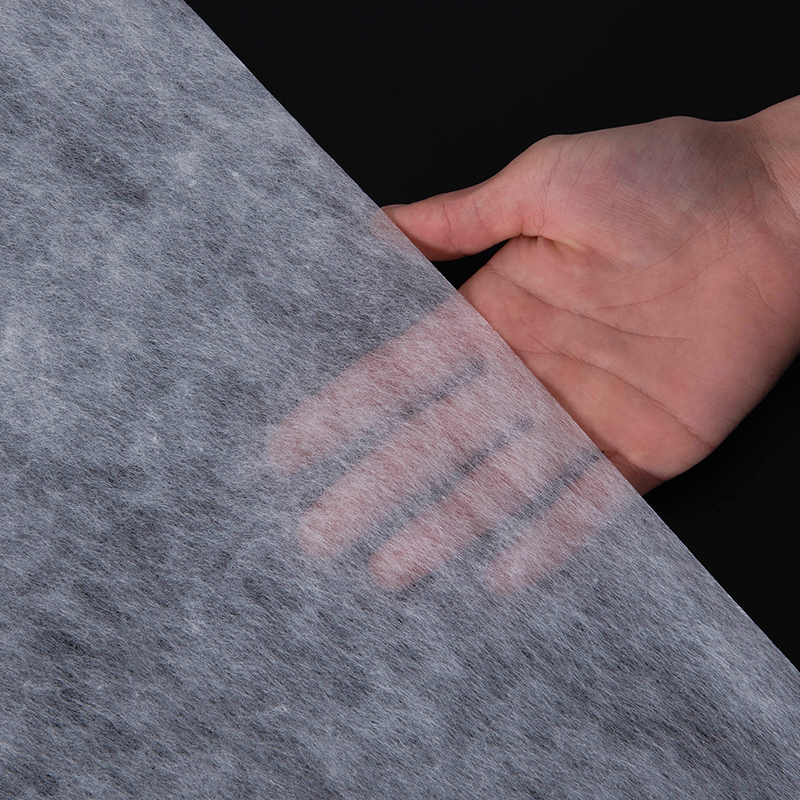
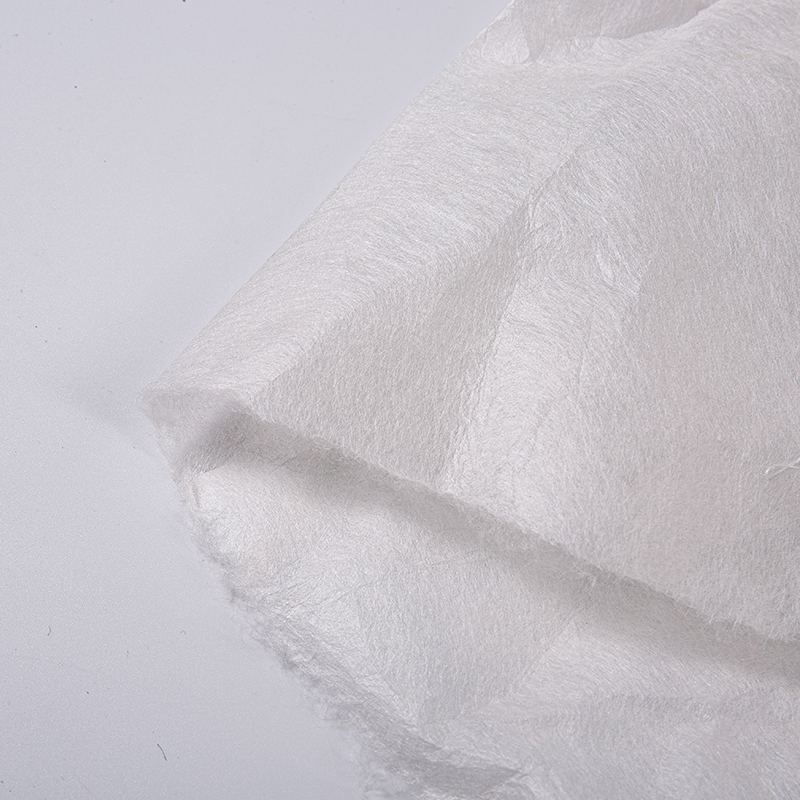
Polyvinyl alcohol (PVA) resin is a kind of heavy polymer. The appearance is usually white or yellowish flocculent, flaky, granular, or powdered. PVA is non-toxic, tasteless and pollution-free. PVA is a water-soluble resin with good chemical stability. It also has good adhesion, film forming ability, insulation, oil resistance, wear resistance and gas resistance, and has typical polyol chemical properties, which can be esterified, etherified and acetalized reactions. Our functional nonwovens use high-tech wet process (wet mesh nonwovens), impregnation process (impregnated nonwovens) and water-soluble nonwovens. It is mainly based on our various high performance polyethylene and functional Vinylon fibers.
Needlepoint and cross stitch are often grouped together because both use a needle, thread, and a grid-like ground fabric. In practice, they feel different in the hand. One is canvas work that builds a dense surface; the other is counted th...
READ MOREVariegated yarn looks simple on a cone: a base shade interrupted by flashes of another color, then another, in a rhythm that repeats along the length. Behind that visual rhythm is a deliberate dyeing process. The dyer is not covering the w...
READ MOREIf you have ever looked closely at a logo on a cap, a flower on a denim jacket, or a monogram on a towel, you have seen embroidery at work. The basic answer to “how does embroidery work” is simple: a needle carries thread through fabric, a...
READ MOREShaoxing Qiufei Textile Technology Co., Ltd. is a China-based Non-woven Fabric manufacturer serving embroidery plants, garment and home-textile producers, and textile distributors. Our Non-woven Fabric range covers PVA water-soluble backing, embroidered non-woven interlining and functional PVA non-woven fabric, produced alongside our DTY, embroidery thread, sewing thread and yarn lines so a single order can be coordinated across materials.
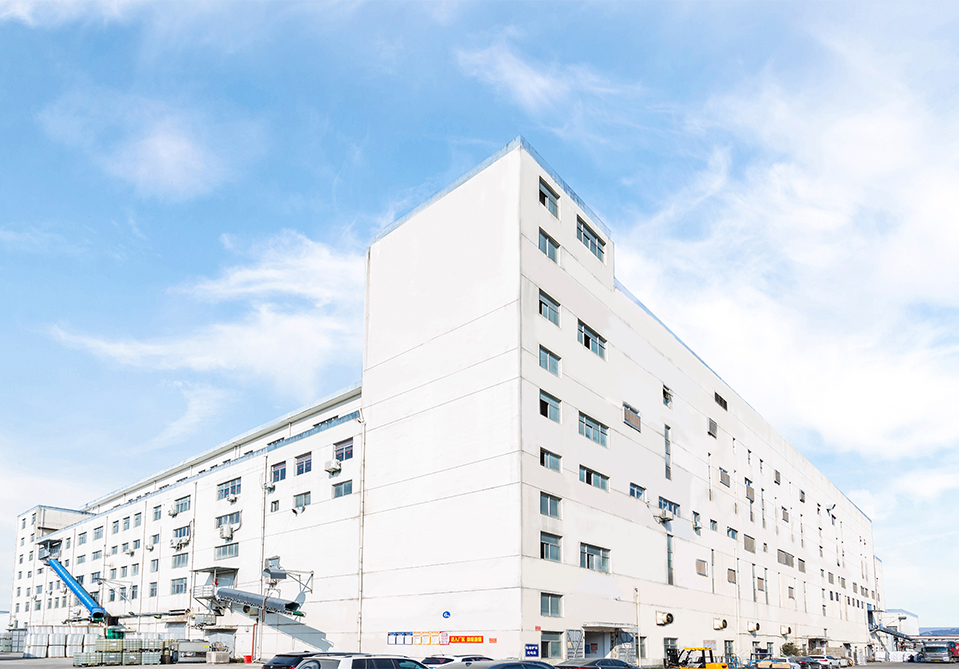
We operate from Qianqing China Textile Raw Materials City in Keqiao District, Shaoxing, with a 15,000 m² production plant established in 2017. Elasticizing, twisting, dyeing and computer-embroidery operations sit within the same company, and products ship to markets including India, Turkey, Mexico and Pakistan.
The category is organized around how each material is used in embroidery and textile assembly. All three types are built to order so we can adjust weight, width and color to the job rather than forcing a single stock grade.
A 35 gsm white PVA backing that dissolves in hot water above roughly 90 °C, typically within 5–20 seconds, leaving no residue on the finished embroidery. Used as a base for solid embroidery on delicate or non-washable face fabrics.
PVA-fiber interlining engineered for home textiles, apparel, footwear and general interlining use. Available from 30 to 80 gsm with widths to 200 cm, tear-resistant and water-soluble for clean pattern definition after stitching.
A build-to-order 100% PVA laminated non-woven for heavier embroidery grounding and mixed-material assembly. Supplied white or in custom color, cut to size up to 2 m.
PVA non-woven is used in embroidery primarily as a temporary backing. Thread passes through the fabric and the non-woven, and the backing is removed by hot-water dissolution after the motif is finished. Matching the backing weight to the stitch density and the face fabric is what protects pattern edges and avoids pucker.
| Product | Weight / Width | Dissolution | Typical Use |
|---|---|---|---|
| 90C Hot Water Soluble 35g White | 35 gsm; width on request | Hot water >90 °C, 5–20 s | Solid embroidery backing on light face fabrics |
| Embroidered Non-woven Interlining | 30–80 gsm; 100/160/200 cm | Water-soluble PVA | Home textiles, apparel, footwear interlining |
| Embroidered Non-woven Fabric | 30–80 gsm; up to 200 cm | Hot-water soluble PVA | Dense motifs and mixed-material embroidery |
Our functional non-wovens are produced using wet-laid, impregnation and water-soluble non-woven processes, with PVA fiber as the base polymer. PVA is a water-soluble resin chosen for its adhesion, film-forming behavior and chemical stability. In backing form, that translates into clean release after stitching without leaving the fibrous halo associated with some paper backings.
How the backing behaves on the machine matters as much as the spec sheet. On high-speed multi-head embroidery lines, a 30–40 gsm PVA sheet of the appropriate width supports dense satin and fill stitches without the needle tearing through. On lighter motifs, a thinner grade keeps the hand of the finished panel closer to the original fabric.
Because our Non-woven Fabric runs alongside our Polyester Embroidery Thread and Rayon Embroidery Thread, we can review thread-to-backing compatibility in one enquiry. It is common for the same embroidery house to use Qiu Fei thread and PVA backing on the same panel, which keeps troubleshooting within a single supply chain.
Water-soluble PVA dissolves most predictably in hot water at the temperature indicated by the grade. The 90 °C grade releases within a short immersion and is intended for products that can tolerate that heat. For heat-sensitive face fabrics, confirm the maximum wash temperature with our team before specifying, since the face fabric rather than the backing usually sets the limit.
Each production step receives an inspection, and finished materials are checked against the agreed specification. For PVA non-wovens, the working checks center on weight per square metre, width, color consistency, moisture content and dissolution behavior. Records from these checks accompany the delivered goods so the buyer can verify against the same criteria at goods-in.
Customers may specify their own acceptance criteria on the order. When a trial roll is required for a new panel, we produce it against the submitted sample or artwork and let the embroidery house validate the backing before the bulk run.
Orders are built to specification rather than pulled from stock, so the configuration conversation covers weight, width, roll or sheet form, color and packing in one pass. We can develop product to drawings or samples. For distributors, rolls are packed to the agreed pallet or carton format; for embroidery plants, cut sheets sized to hoop or frame dimensions reduce on-floor handling.
Paper backings typically tear away and leave a fuzzy edge; PVA dissolves in hot water, so the backing disappears entirely and the embroidery pattern stays crisp. That is particularly useful for open, light face fabrics where a torn edge would show after finishing.
Our published range is 30–80 gsm. If your embroidery requires a specific weight, we will review the request with our production team and confirm whether we can build to it before quoting.
We hold import and export rights and ship to markets including India, Turkey, Mexico and Pakistan. Rolls are wrapped and palletized or cartoned according to the agreed packing. Because PVA is moisture-sensitive, the packed goods should be kept dry during transit and storage.
Standard widths are within 100 cm, 160 cm and 200 cm, and sizes up to 2 m can be customized. Narrower rolls for specific hoop sizes are arranged to order.
Yes. We develop and produce products to customer drawings or physical samples, including adjustments to base weight, width, color and packing. A trial quantity against the submitted sample lets the embroidery team confirm behavior before the full run.
During working days, we reply within 24 hours of receiving an enquiry. Sharing the substrate, stitch density and target width shortens the time needed to issue a workable configuration.
For the full textile range, browse our Products page or explore our Non-woven Fabric manufacturer category in detail. Companion materials such as Sewing Thread and Draw Texturing Yarn(DTY) can be combined in the same shipment.
*Indicates a required field
Copyright © Shaoxing Qiufei Textile Technology Co., Ltd.  OEM/ODM Non-woven Fabric Manufacturers