

 عربى
NEWS
Home / News / Industry News / Needlepoint vs Cross Stitch: Canvas, Stitches, Threads, and Practical Differences
75/36 100% elastic yarn 20D Denier air-wrapped yarn: innovative technology improves fabric breathability
Jun 06,2025
Unraveling the Durability: Why Polyester Embroidery Thread Reigns Supreme
Jun 06,2025
The power of nonwovens: how non-woven fabrics impact modern life
Jun 06,2025
From strength to protection: Nylon cable performance and selection guide for various applications
Jun 06,2025
Creative Ways to Incorporate Sequin Yarn into Clothing Designs for Stunning Visual Effects
Jun 06,2025Content
Needlepoint and cross stitch are often grouped together because both use a needle, thread, and a grid-like ground fabric. In practice, they feel different in the hand. One is canvas work that builds a dense surface; the other is counted thread work that creates a pattern from X-shaped stitches. If you have ever opened a kit and wondered why the fabric, needle, and thread look so different, you are not alone. We work with embroidery threads every day, and these are the questions we hear most often from stitchers, kit makers, and workshop owners.
Needlepoint is stitched on canvas. The canvas has a rigid, open grid, and the stitches usually cover it completely. Cross stitch is stitched on Aida or evenweave. The grid is counted, not printed, and the X-shaped stitches leave some ground fabric visible. That single difference explains much of what follows: the needle, the thread, the pattern, and the finished look.
Neither is a harder version of the other. They ask for different habits.
Needlepoint canvas is woven in a grid that stays open and firm. Mono canvas and interlock canvas are common; the count tells you how many threads per inch. A 12-count canvas has larger holes and works up faster; an 18-count canvas is finer. Because the stitcher sees the grid directly, needlepoint can be worked from a painted canvas or from a chart. Cross stitch fabric is usually Aida, which has grouped threads and clear holes, or evenweave and linen, where you often stitch over two threads. The stitcher counts squares or threads, so the chart is the map. A hoop or q-snap is common for cross stitch; needlepoint is often worked on stretcher bars to hold the canvas square and protect the stitches.
The table below summarizes the practical differences most stitchers notice first. It is a starting point, not a rulebook, because both crafts have many variations.
| Feature | Needlepoint | Cross Stitch |
|---|---|---|
| Ground fabric | Sturdy canvas, often mono or interlock | Aida, evenweave, or linen |
| Main stitch | Tent stitch, basketweave, decorative stitches | X-shaped cross stitch, backstitch for detail |
| Pattern style | Painted canvas or charted design | Counted chart with symbols and a color key |
| Needle | Blunt tapestry needle with a large eye | Finer blunt tapestry or cross stitch needle |
| Common thread | Tapestry wool, silk, cotton pearl, novelty threads | Stranded cotton floss, silk, pearl cotton |
| Finished look | Dense, textured, and durable | Finer, grid-like, often framed |
Needlepoint has a family of stitches. The tent stitch is the workhorse, and it appears in three common forms: continental, half cross, and basketweave. Basketweave is popular for large areas because it helps keep the canvas from distorting. Decorative stitches such as cashmere, mosaic, and French stitches add texture. Cross stitch is more focused: most designs are built from full cross stitches, with half stitches, quarter stitches, and backstitch used for detail. The X is usually formed in two passes, and the chart tells you where each stitch begins. Needlepoint can also use decorative stitches to shade a painted canvas; cross stitch usually follows a symbol chart square by square.
A basic tent stitch is quick to learn, while basketweave takes a little practice. A cross stitch is also simple, but counted charts demand attention. Beginners often find a small painted needlepoint canvas easier to start than a large counted cross stitch chart, while cross stitch kits are often more portable.
Needlepoint threads are usually thicker and are chosen for coverage. Tapestry wool, silk, cotton pearl, and blended threads are common. The needle is a tapestry needle: blunt tip, large eye, and a size that opens the canvas without splitting it. Cross stitch uses stranded cotton floss most often; the floss separates into strands, and the pattern tells you how many to use. Silk, pearl cotton, and specialty threads also appear. The needle is still blunt, but finer, usually a tapestry or cross stitch needle in the 24-28 range. Tension matters in both crafts, but for different reasons. Needlepoint canvas can distort if the tension is uneven, especially with tent stitch. Cross stitch fabric can pucker if the hoop is too tight or the thread is pulled hard. In both cases, consistency matters more than force.
On the supply side, we see the same questions from kit makers and embroidery workshops. A 40-weight thread behaves differently from a 12-weight pearl cotton, and color consistency matters when a design repeats across panels. If you are comparing thread options for hand embroidery or mixed craft kits, our notes on cross stitch and hand embroidery are a useful starting point, and our page on 40-weight embroidery thread explains how weight affects coverage.
Wholesale 150D/2 Polyester Embroidery Thread for LaceA 150D/2 polyester embroidery thread supplied for wholesale, listed for lace work and general embroidery-thread sourcing.View Product → 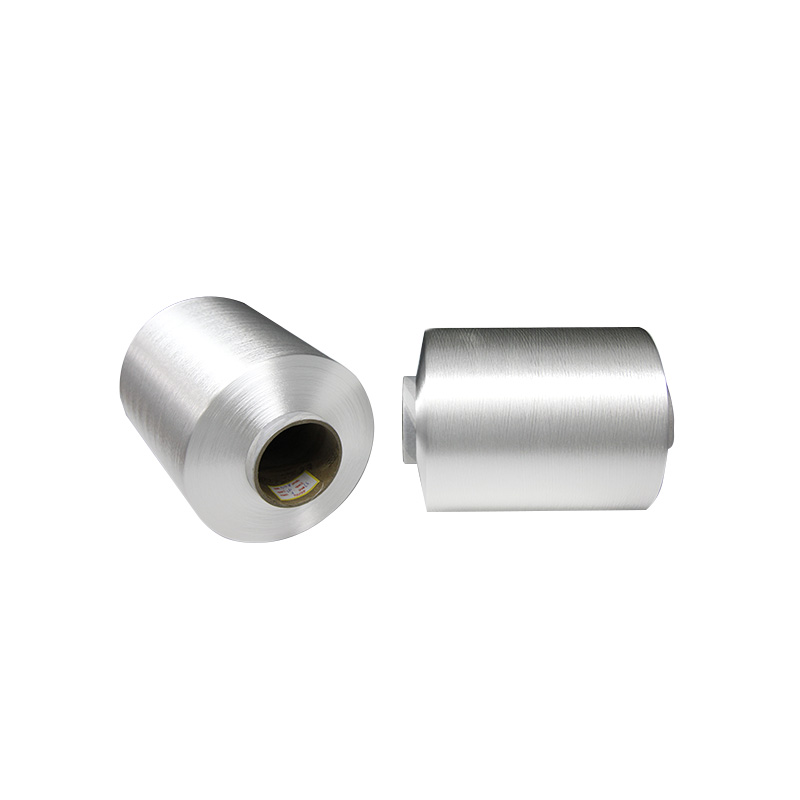 White 300D/2 Viscose Embroidery Yarn in Huge SpoolA large-spool white viscose rayon thread for wholesale embroidery, designed to reduce thread changes and support continuous industrial production.View Product →
Needlepoint patterns are often painted directly on the canvas. That makes the craft visual and forgiving: you can follow the colors and choose stitches as you go. Counted needlepoint charts also exist, but painted canvas is a big part of the appeal. Cross stitch patterns are charts with symbols, grids, and color keys. The stitcher counts from the center outward or follows a marked grid. This makes cross stitch very portable: a small hoop, a chart, and a few floss bobbins are enough. Needlepoint can be portable too, but stretcher bars and thicker threads take more space. In terms of learning, both are beginner-friendly. The difference is in the feedback. Needlepoint shows you the coverage immediately; cross stitch shows you the image as the Xs accumulate.
Needlepoint usually takes more thread and more time per square inch because the stitches cover the canvas. Specialty threads and painted canvases can raise the cost, but the finished piece is dense, textured, and durable. It suits pillows, belts, ornaments, purses, and small upholstery projects. Cross stitch is often finer and more graphic. It uses less thread per area, and the materials are generally less expensive. It suits framed samplers, cards, bookmarks, towels, and gifts. Neither finish is better; they simply answer different design briefs. If you want a sturdy, tactile surface, needlepoint is the natural choice. If you want a precise, charted image with visible fabric, cross stitch is the better fit.
Choose needlepoint if you like texture, painted canvases, and the rhythm of covering a canvas. Choose cross stitch if you like charts, counted patterns, and a lighter, more portable setup. If you are designing kits or sourcing threads for a workshop, start with the ground fabric and the stitch coverage, then match the thread weight and needle. The thread should support the stitch, not fight it. We have learned that lesson from the supply side of embroidery, and it holds whether you are stitching a single ornament or planning a production run.
Both crafts reward patience, and both can become heirlooms. The clearest way to decide is to hold a needle and try a small sample of each. Your hand will tell you quickly which grid feels more natural.
Your email address will not be published. Required fields are marked *
*Indicates a required field
Copyright © Shaoxing Qiufei Textile Technology Co., Ltd.  Custom Embroidery Thread Yarn Manufacturers