

 عربى
NEWS
Home / News / Industry News / How Does Embroidery Work? A Friendly Guide to Stitches, Threads, and Machines
75/36 100% elastic yarn 20D Denier air-wrapped yarn: innovative technology improves fabric breathability
Jun 06,2025
Unraveling the Durability: Why Polyester Embroidery Thread Reigns Supreme
Jun 06,2025
The power of nonwovens: how non-woven fabrics impact modern life
Jun 06,2025
From strength to protection: Nylon cable performance and selection guide for various applications
Jun 06,2025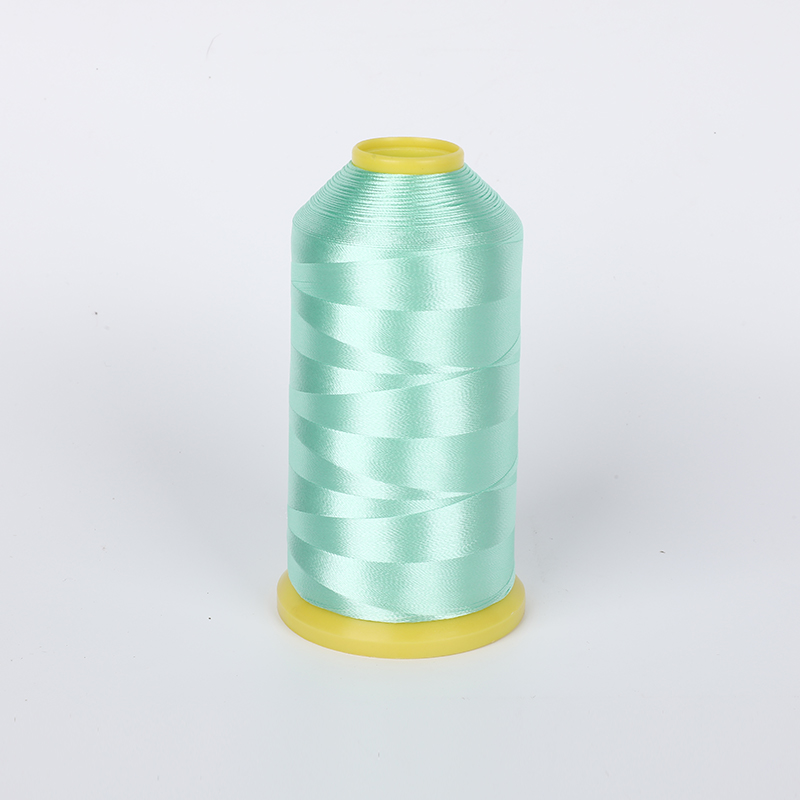
Creative Ways to Incorporate Sequin Yarn into Clothing Designs for Stunning Visual Effects
Jun 06,2025Content
If you have ever looked closely at a logo on a cap, a flower on a denim jacket, or a monogram on a towel, you have seen embroidery at work. The basic answer to “how does embroidery work” is simple: a needle carries thread through fabric, and each small loop or stitch builds a pattern. The details, however, are where the craft becomes interesting. Hand embroidery, computerized machine embroidery, thread choice, backing materials, and fabric structure all affect the final result.
Embroidery is a way of decorating fabric with stitches. Instead of printing color onto the surface, embroidery adds a layer of thread. The needle pushes thread through the fabric, and a small loop is formed and locked into place. Repeating that action along a planned path creates lines, fills, outlines, and texture.
In hand embroidery, the needle carries the thread by hand and the maker controls every stitch. In machine embroidery, a sewing head moves the hoop or the needle path while a bobbin supplies a second thread underneath. The two threads interlock, which is why a machine stitch can look smooth on top and slightly different underneath. The table below gives a simple view of the main players.
| Element | What it does | Why it matters |
|---|---|---|
| Needle | Carries the upper thread through fabric | Needle size and point shape affect fabric penetration |
| Upper thread | Creates the visible stitch on top | Color, weight, and finish shape the design |
| Bobbin thread | Locks the upper thread from below | Good tension keeps stitches balanced and secure |
| Stabilizer | Supports fabric during stitching | Prevents puckering, stretching, and distortion |
| Fabric | Holds the finished stitches | Weave, stretch, thickness, and pile influence the result |
Hand embroidery starts with a needle, thread, fabric, and often a hoop. The hoop keeps the fabric taut so the stitches sit evenly. The maker brings the needle up from the back, leaves a stitch on the surface, and returns through the fabric. Different stitch paths create different effects. A running stitch makes a dashed line, a satin stitch fills a shape with smooth coverage, and a chain stitch forms linked loops.
The tension is controlled by the hand. Pull too hard, and the fabric may pucker. Pull too loosely, and the thread may sit unevenly. Experienced hand embroiderers learn to feel the right tension and to choose thread weight for the effect they want. Thick threads build texture quickly, while fine threads allow delicate detail.
Machine embroidery is built around repeatability. A design is prepared in software, where each stitch path, stitch length, underlay, color change, and trim is defined. That file is sent to an embroidery machine. The machine moves the hoop or the sewing head so the needle lands in the right place, and the bobbin thread locks each stitch from below.
Before production, a test sew is often made on the same fabric and stabilizer as the final job. This reveals whether the design is too dense, whether the outline matches the fill, and whether the fabric needs more support. Industrial machines can run many heads at once, which makes them efficient for logos, badges, and repeated patterns. For a closer look at production settings, see industrial machine embroidery.
Thread is not just colored string. It needs strength, smoothness, colorfastness, and consistent thickness to run well through a needle and form a clean stitch. Polyester embroidery thread is widely used because it is strong, colorfast, and resistant to wear. Rayon thread has a soft sheen and is popular for decorative work, while metallic and specialty threads add visual effects but often need slower speeds and careful tension.
Thread weight also matters. A 40-weight thread is a familiar medium weight for many embroidery projects, while thicker threads build bold coverage and finer threads suit small lettering or delicate detail. In our own yarn and thread work, we see how much difference a consistent twist and a well-managed dye lot make. A sample of 40-weight embroidery thread can help you compare how a design behaves before a larger run.
 120D/2 Polyester Filament Embroidery ThreadA 120D/2 polyester filament embroidery thread with smooth, uniform construction described to reduce friction, breakage, and hairiness in frequent, durable embroidery work.View Product →
Bobbin thread is the quiet partner in machine embroidery. It sits underneath the fabric and helps balance the upper thread. A smooth, fine bobbin thread reduces bulk and keeps the back of the embroidery neat. For high-volume work, consistent bobbin winding and correct tension are just as important as the top thread color.
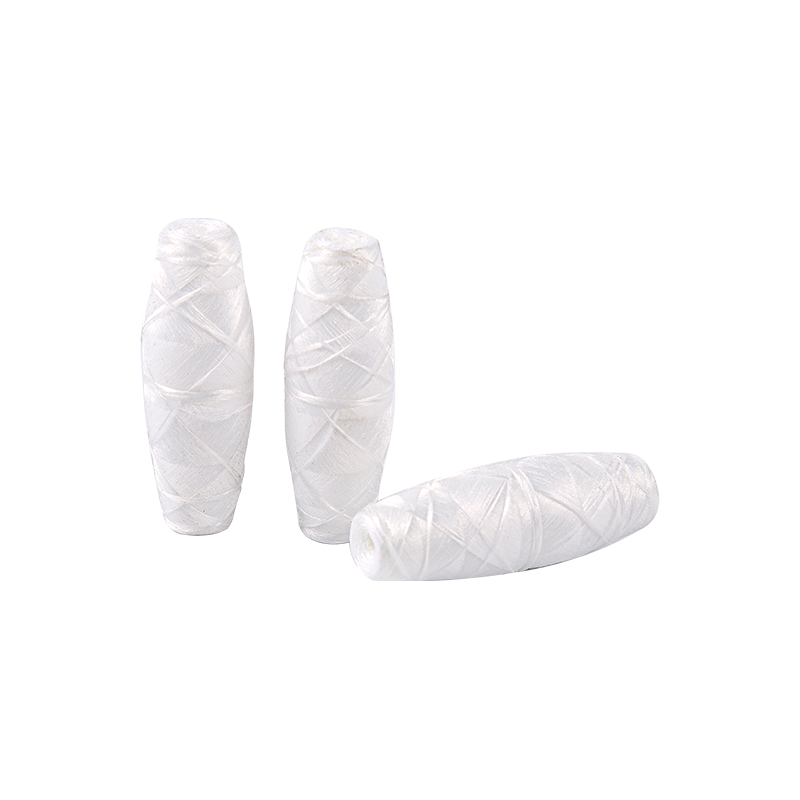 150D Polyester Bobbin Thread P10A 150D polyester bobbin thread with P10 designation and smooth surface treatment, described to reduce friction, breakage, and entanglement during high-speed embroidery sewing.View Product →
Stabilizer is another key material. Tear-away, cut-away, and wash-away backings give different levels of support. Water-soluble nonwoven is especially useful for lace, sheer fabrics, and designs that need clean edges after washing. Choosing the right backing is often the difference between a flat, professional stitch and a puckered one.
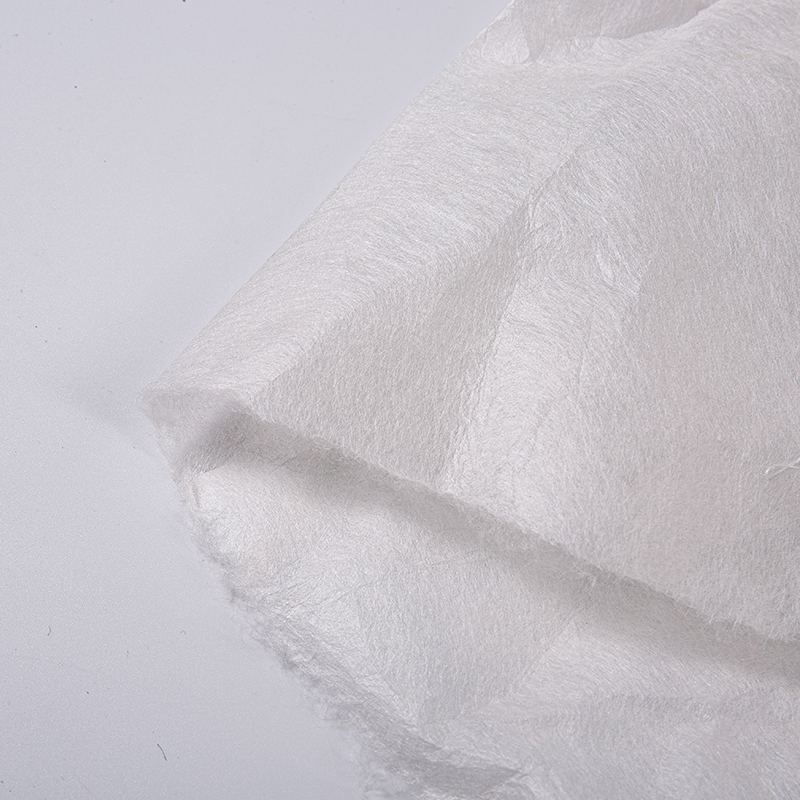 90C Hot Water Soluble Nonwoven Embroidery BackingA 35g white non-woven embroidery backing that dissolves in 90C hot water, intended to leave no residue and support clean, delicate embroidery finishes.View Product →
In computerized embroidery, a design usually begins as artwork. Digitizing software converts that artwork into a stitch file. The digitizer decides the order of colors, the direction of fills, the type of underlay, and where the machine should trim or jump. Good digitizing is not simply tracing a shape. It considers how thread will lie on the fabric, how the design will wear, and how the machine will move.
Underlay is an important step that many people never notice. It is a base layer of stitches that stabilizes the fabric and gives the top stitches something to sit on. Without underlay, a dense fill may sink into the fabric or leave a gap at the edge. After the design is digitized, a test stitch-out shows whether adjustments are needed before production.
The same embroidery design can look very different on a heavy denim, a stretch knit, a terry towel, or a sheer fabric. Tightly woven fabrics support stitches with less backing. Stretch fabrics need stabilizer that controls movement. Pile fabrics such as towels may need a water-soluble topping so the stitches do not disappear into the loops. Sheer fabrics need careful density and backing removal so the embroidery does not feel stiff or heavy.
This is why experienced embroiderers match thread, needle, backing, and stitch settings to the fabric rather than using one setup for every job. A design that works well on a cap may need adjustment on a polo shirt or a quilt. The goal is always the same: even stitches, balanced tension, and a finished piece that wears well.
Most embroidery problems come from one of four areas: tension, needle condition, thread path, or fabric support. A few symptoms are easy to recognize once you know what to look for.
When a stitch goes wrong, change one variable at a time. Test on a scrap of the same fabric. That simple habit saves time and helps you understand how each part of the setup affects the final stitch.
At our mill, we have spent years working with yarns, threads, and decorative materials for embroidery and sewing. We are practical people, and we know that a beautiful thread is only useful if it runs consistently, matches the shade card, and arrives when a production line needs it. That is why we focus on clear specifications, stable color management, and materials that suit real embroidery conditions rather than showroom samples alone.
Whether you are choosing a polyester thread for uniforms, a bobbin thread for high-speed machines, or a water-soluble backing for delicate work, the principle is the same. Match the material to the stitch, the fabric, and the finish you want. Good embroidery is a partnership between design and material, and the best results usually come from a careful test rather than a guess.
The next time you look at an embroidered logo or a decorative stitch, you will see more than a pattern. You will see a needle path, a locking bobbin thread, a supportive backing, and a material chosen for the job. That is how embroidery works, and it is why the craft continues to blend hand skill with modern machine precision.
Your email address will not be published. Required fields are marked *
*Indicates a required field
Copyright © Shaoxing Qiufei Textile Technology Co., Ltd.  Custom Embroidery Thread Yarn Manufacturers