

 عربى
عربىNEWS
Home / News / Industry News / A Practical Guide: How to Sew Beads Onto Fabric with Needle and Thread
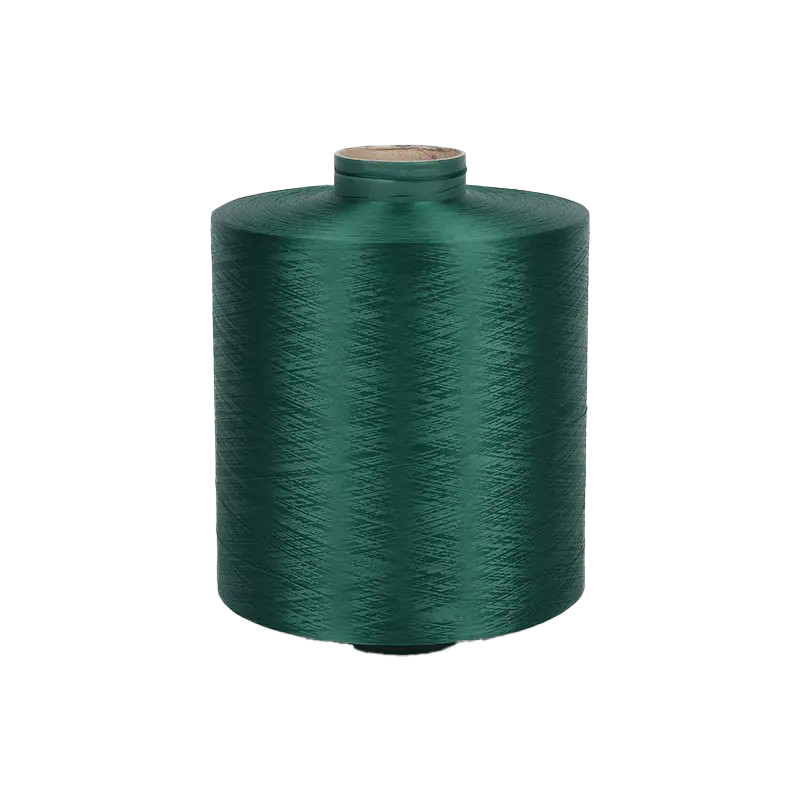
75/36 100% elastic yarn 20D Denier air-wrapped yarn: innovative technology improves fabric breathability
Jun 06,2025
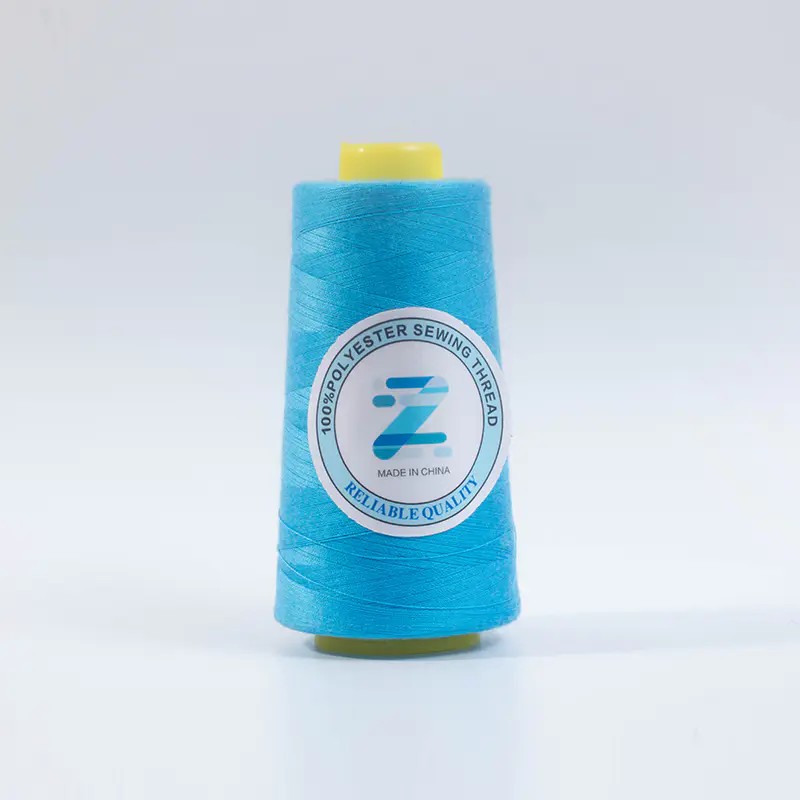
Unraveling the Durability: Why Polyester Embroidery Thread Reigns Supreme
Jun 06,2025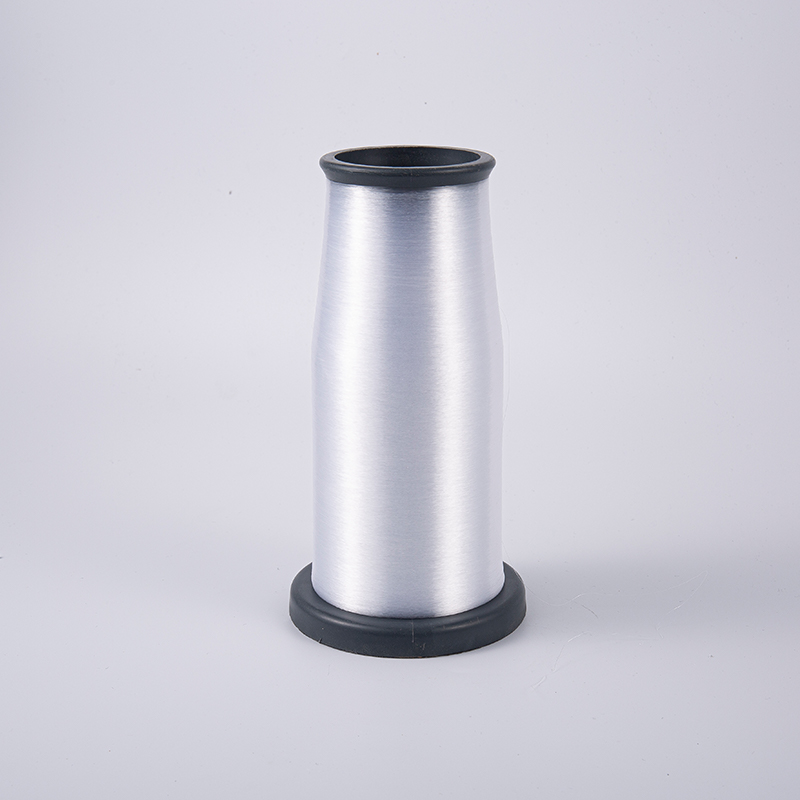
The power of nonwovens: how non-woven fabrics impact modern life
Jun 06,2025
From strength to protection: Nylon cable performance and selection guide for various applications
Jun 06,2025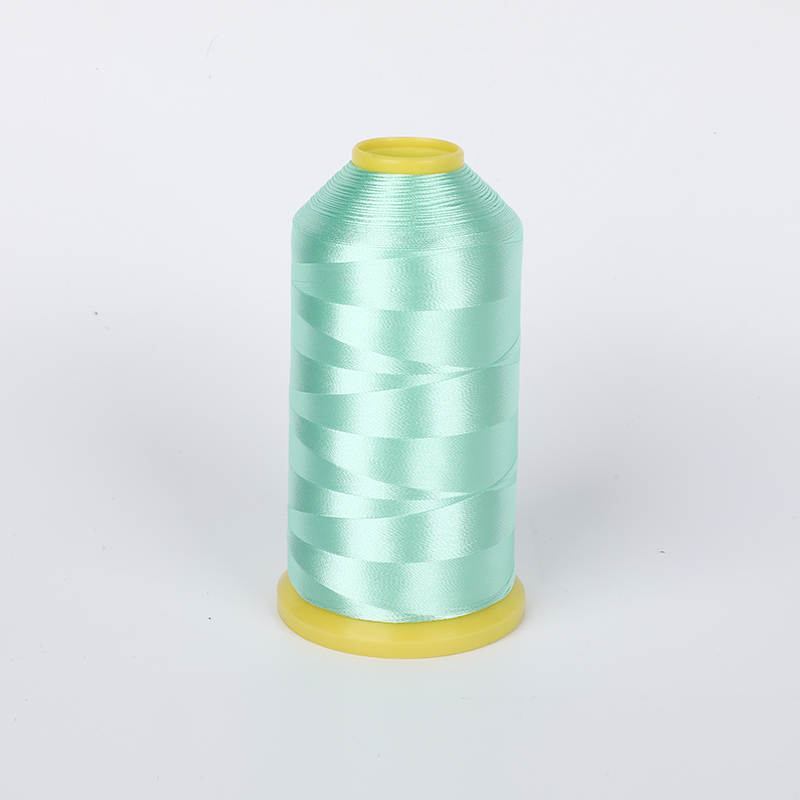
Creative Ways to Incorporate Sequin Yarn into Clothing Designs for Stunning Visual Effects
Jun 06,2025Content
Sewing beads onto fabric is one of the most direct ways to add texture, light, and color to a textile piece. A line of glass beads can define a neckline, trace a motif, or turn a plain cushion cover into a decorative accent. The technique is not difficult once you understand how the bead, the needle, and the thread work together. Get those three variables right, and the stitches become almost automatic.
This guide covers the materials you need, how to select a thread that will not break under the friction of a bead hole, and the basic stitch methods for sewing single beads and longer bead lines. It also explains how to adapt your approach when the fabric is stretchy, sheer, or heavily textured.
Before the first stitch, gather five basics: a sharp hand needle, a thimble for dense fabric, small sharp scissors, embroidery thread, and the beads themselves. For most bead sewing, a size 10 or 11 sharp needle passes through 2.5 mm and 3 mm glass beads easily while still piercing woven fabric cleanly. If you plan to use 4 mm beads or beads with small holes, test the needle against the hole before you thread it.
An embroidery hoop is worth using even for a short row of beads. It keeps the fabric flat, prevents puckering, and leaves both hands free. This matters more than most beginners expect: the bead is held by stitch tension, and if the fabric stretches while you work, the finished line will wrinkle.
The thread is the component most likely to fail in bead embroidery. A thread that is too thick will not pass through a bead a second time; a thread that is too weak will break under the friction of the bead hole. A 40-weight or 50-weight polyester embroidery thread is a practical default for most 3 mm beads. It is strong, smooth, and colorfast, and it slides through glass beads without fraying.
Polyester filament thread, in particular, has a smooth surface that resists snagging and handles the abrasion of the bead hole better than cotton. For a dependable all-purpose choice, a 120D/2 polyester filament embroidery thread gives enough strength to pull bead lines taut without adding bulk.
 Polyester Filament Embroidery Thread 120D/2 for Durable BeadworkThis smooth filament thread resists snagging and abrasion from bead holes, providing reliable strength for pulling bead lines taut without added bulk in embroidery projects.View Product →
Thread color is equally important. Match the thread to the bead when you want invisible joins, or match it to the fabric if the bead is transparent or has a large center hole. Nylon monofilament is the standard answer for clear or iridescent beads, because it disappears under most lighting.
| Thread type | Best for | Abrasion resistance | Appearance |
|---|---|---|---|
| Polyester 40–60 wt | Most beads, washable garments | High | Matchable to bead or fabric |
| Nylon monofilament | Clear, iridescent, or multicolored beads | High | Nearly invisible |
| Cotton embroidery floss | Traditional hand work | Medium | Visible, soft sheen |
| Metallic thread | Decorative accent beads | Low–medium | High shine |
Metallic thread is a tempting choice for beadwork, but it is more fragile. Use it either couched with a second polyester thread or reserved for beads that are anchored individually.
Bead stitches fall into two families: those that secure each bead individually, and those that string several beads on one thread and anchor the line at intervals. The first is more secure; the second is faster. Both have a place.
This is the most secure method and the one to choose for curved lines, letters, or a sparse scatter of beads. Bring the needle up at the starting point, slide on one bead, and insert the needle back down immediately beside its exit hole. Come up again one bead length ahead, pass the needle back through the same bead, and return to the back of the fabric. Each bead is caught by two passes of thread, so if one segment wears through, the bead stays attached.
For a straight or gently curved row, couching is faster. String the required number of beads onto a strong thread and lay the strand along your marked line. With a second thread, take a small stitch between every two or three beads to hold the line flat. This distributes tension evenly and keeps the bead line flexible, which is why it is often used on hems, collars, and cuffs.
The running stitch is the quickest method: bring the needle up, string two or three beads, pass the needle back through the fabric near the last bead, and come up again to continue. It uses little thread and works well for decorative wall art or pieces that receive light handling. Use it sparingly on garments, because the beads are anchored only at intervals.
Both techniques depend on the bead itself. Round glass beads with smooth holes behave best; beads with sharp edges or small burrs will gradually cut the thread. If you are sourcing beads in quantity for production, pull a sample strand back and forth through a few bead holes and inspect the thread for fraying before you commit.
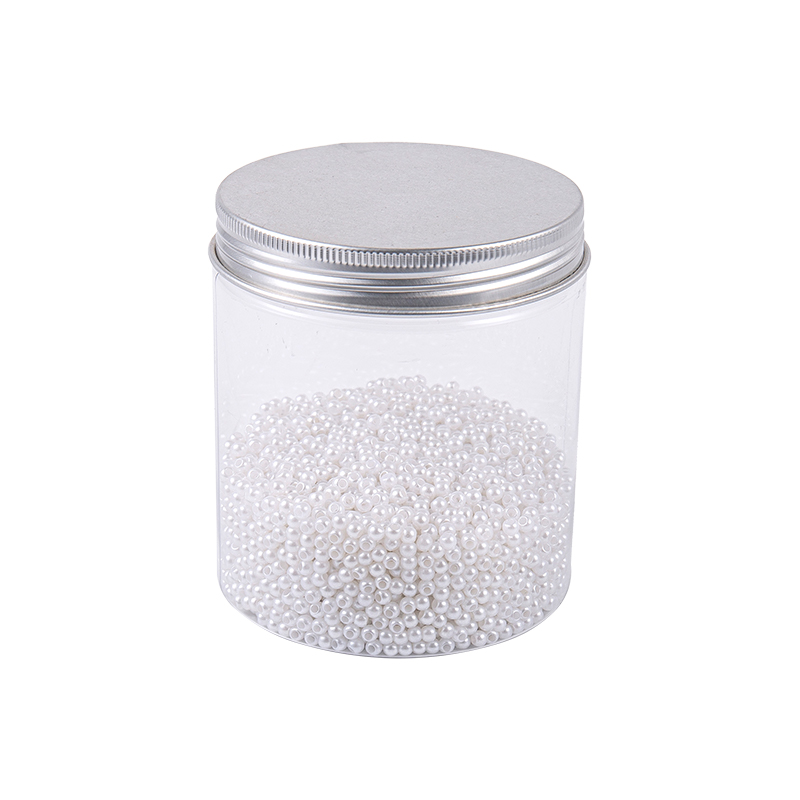 White Pearl Style 3.0mm Embroidery Glass BeadsThese smooth, round glass beads with elegant pearl-white luster suit invisible joins and work well with nylon monofilament, offering a refined finish for garments and accessories.View Product →
Begin with a waste knot on the top of the fabric, about 5 cm from the first bead. Take one small stitch, pass the needle through the bead line, then clip the knot; the tail is buried as you stitch. This avoids the bump that a backside knot creates beneath beadwork, which matters when the fabric will be ironed or worn against the skin.
To finish, weave the needle back through the last three or four beads, form a loop stitch, and pass the needle through the loop to make a knot that hides inside a bead hole. Trim the excess close to the bead. The same finishing discipline applies when you practice cross-stitch and hand embroidery techniques: a clean start and end are what keep the work flat.
Fabric behavior changes the stitch. On a tightly woven cotton or linen, the needle passes cleanly and the bead sits where you place it. On stretch knits, a bead line can gather the fabric, so stabilize the area with fusible interfacing or water-soluble embroidery backing. On sheer fabric, use smaller beads and a finer needle, and bury all knots in the seam allowance or beneath other beads.
Bead size sets the visual scale. A 2.5 mm bead reads as fine texture from a distance; a 4 mm bead becomes a visible ornament. When you mix sizes in one design, anchor the larger beads with the single-bead backstitch, because their weight pulls harder on the thread.
Leather, denim, and heavy canvas demand a stronger needle and usually a heavier thread. If you are embellishing a jacket collar or a bag strap, choose a stronger-bonded polyester thread, and expect to use the thimble. Faceted beads such as polyhedron shapes add extra sparkle on structured fabrics, which is why they are a common choice for evening wear and stage costumes.
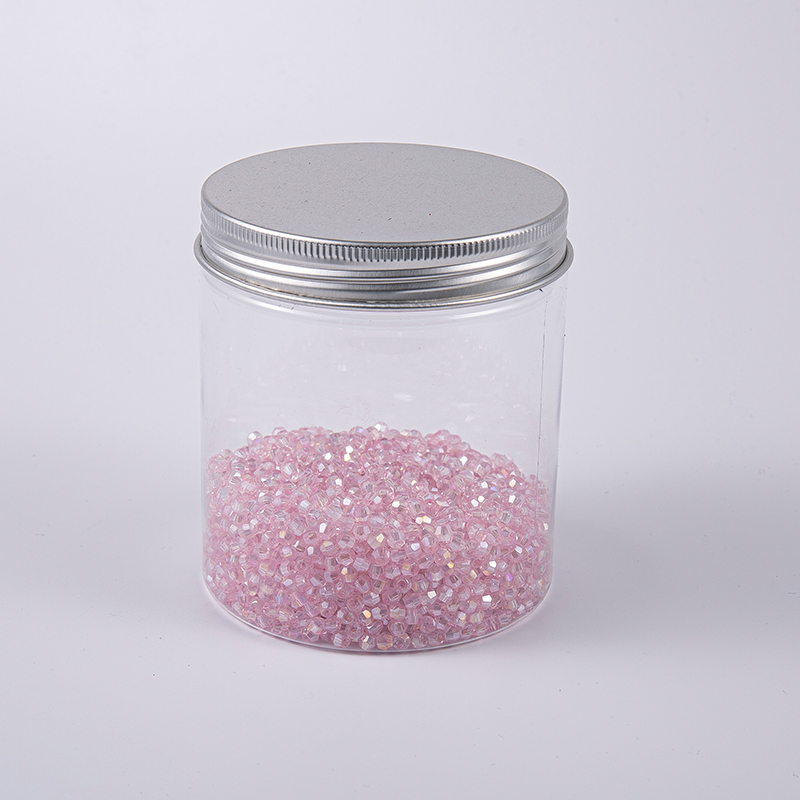 Pink Polyhedron 3.0mm Embroidery Glass BeadsThe faceted polyhedron design refracts light for rich sparkle on structured fabrics like denim or leather, making them ideal for evening wear and stage costume embellishment.View Product →
Three errors cause most failures in bead embroidery. The first is pulling every stitch too tight, which puckers the fabric and eventually tilts the beads instead of letting them lie flat. The second is working with a short thread tail; start with at least 50 cm of thread so that tension builds gradually. The third is choosing a thread too thin for the bead weight. A 60-weight thread under a long line of 4 mm glass beads will slowly stretch, and the beads will sag.
Sourcing also matters. Beads sold for embroidery are generally more uniform in hole size than craft-bin beads, and uniform holes make the work faster and the finished lines straighter. For a deeper look at selecting and applying glass beads, a practical guide to glass bead and seed bead techniques covers sourcing and pattern planning in more detail.
Sewing beads onto fabric improves quickly once the needle, thread, and stitch are matched to the job. Start with a small sample, test the thread against the bead hole, and let the stitch method follow the function. Your next piece will hold its sparkle through years of wear.
Your email address will not be published. Required fields are marked *
*Indicates a required field
Copyright © Shaoxing Qiufei Textile Technology Co., Ltd.  Custom Embroidery Thread Yarn Manufacturers