

 عربى
عربىNEWS
Home / News / Industry News / Bobbin Thread Showing on Top? Here’s What Causes It and How to Fix It Fast
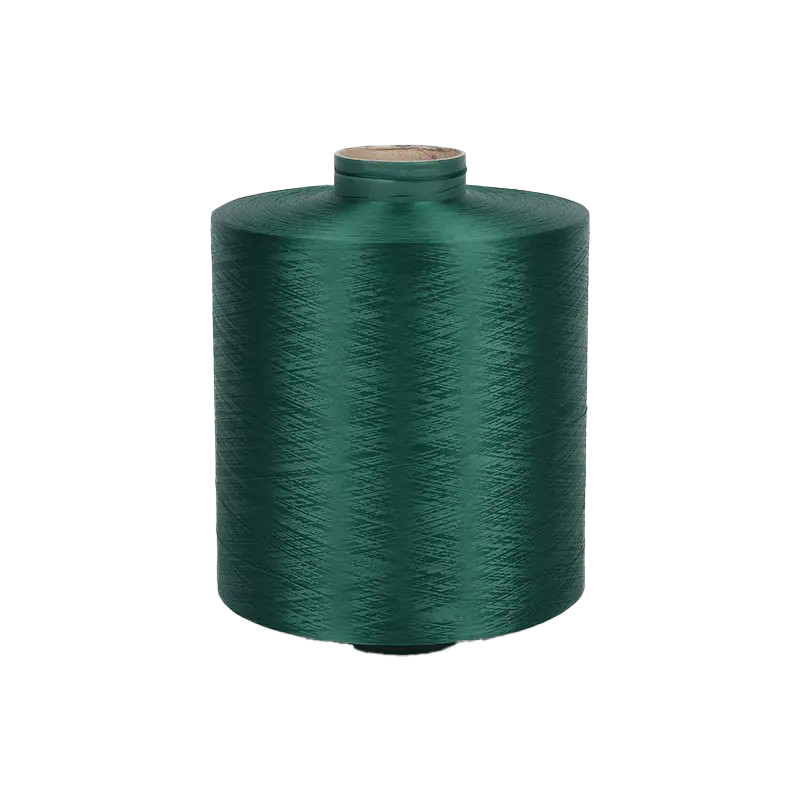
75/36 100% elastic yarn 20D Denier air-wrapped yarn: innovative technology improves fabric breathability
Jun 06,2025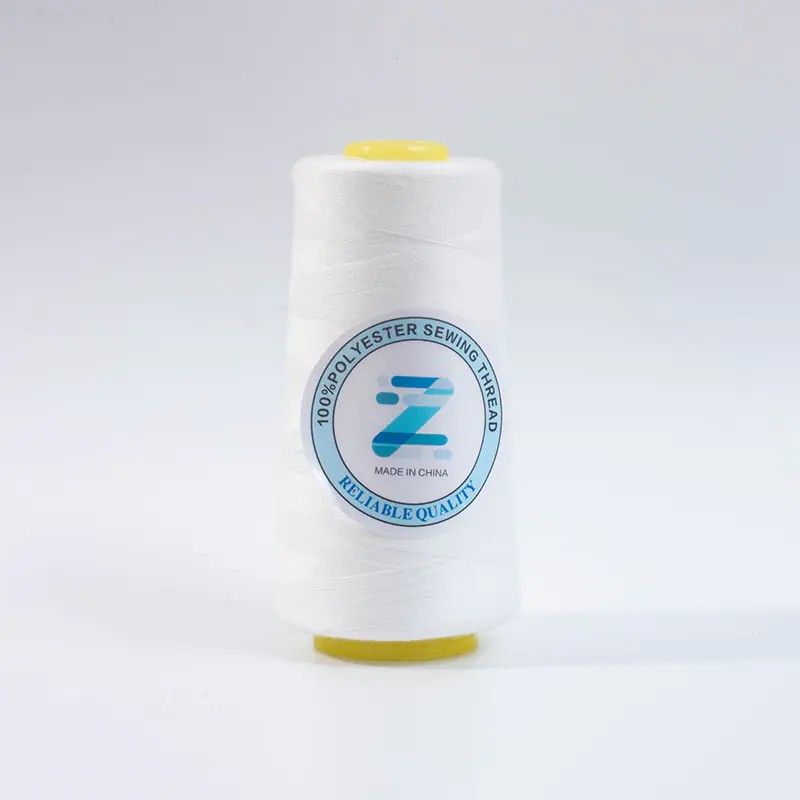
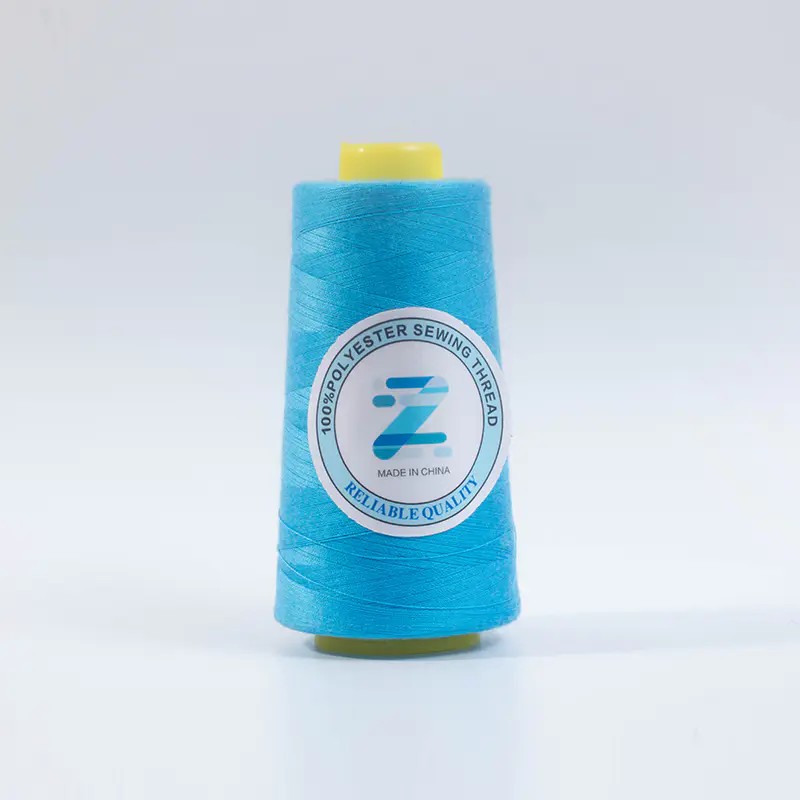
Unraveling the Durability: Why Polyester Embroidery Thread Reigns Supreme
Jun 06,2025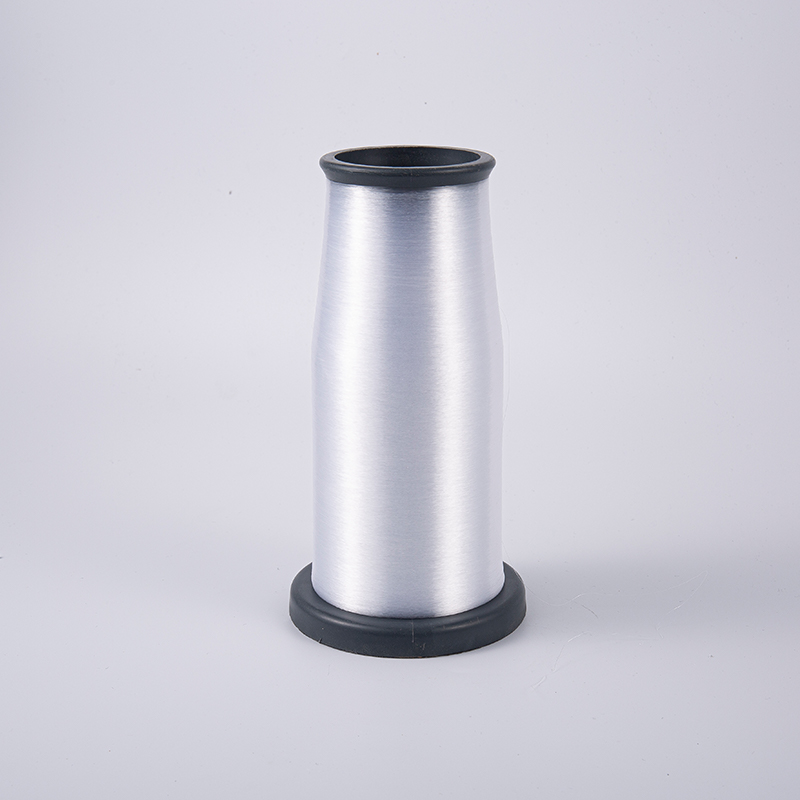
The power of nonwovens: how non-woven fabrics impact modern life
Jun 06,2025
From strength to protection: Nylon cable performance and selection guide for various applications
Jun 06,2025
Creative Ways to Incorporate Sequin Yarn into Clothing Designs for Stunning Visual Effects
Jun 06,2025Content
You’ve just finished stitching a design, only to find loops of bobbin thread creeping onto the top surface. The effect is frustrating: the wrong color disrupts the pattern, the texture feels rough, and the overall appearance looks amateurish. In embroidery, the bobbin thread is meant to stay hidden underneath, so when it shows on top, it signals a specific set of imbalances or mechanical issues. Understanding exactly why this happens—and knowing the practical adjustments to make—will save you time, materials, and repeated test runs.
The short answer: bobbin thread appears on top when the upper thread tension is too strong—or, conversely, when the bobbin tension is too weak. The two threads must meet in the middle of the fabric layers; if the top thread pulls harder, it drags the bobbin thread up to the surface. This can happen even if your machine is properly threaded, and it often points to a secondary factor like debris, incorrect needle size, or the wrong bobbin thread itself.
Below we break down the most common causes and the corresponding fixes. Because embroidery machines vary, we’ll focus on principles that apply across home machines and industrial equipment alike—giving you a clear diagnostic path regardless of your setup.
This is the most frequent culprit. If the upper tension is set too high, the needle thread pulls the bobbin thread upward. Conversely, if the bobbin tension is too loose, the bobbin thread doesn’t offer enough resistance and is easily pulled to the top. A simple test: stitch a test pattern and examine the underside. If the bobbin thread forms loops on the bottom as well, the imbalance is confirmed. Adjust the upper tension dial in small increments (usually 0.5 to 1 unit) until the stitch forms cleanly. For bobbin tension, the screw on the bobbin case can be turned a quarter-turn clockwise to increase tension, but proceed carefully—small adjustments make a big difference.
Even a tiny piece of lint trapped in the bobbin case or rotary hook can prevent the bobbin from spinning freely, causing erratic tension. If you see bobbin thread showing on top intermittently or only in certain stitch directions, this is a likely cause. Clean the bobbin case, hook race, and feed dogs after every few hours of embroidery. Use a small brush or compressed air to remove lint. A clean machine is the most overlooked yet simplest fix.
Not all threads are suitable for the bobbin. Many embroiderers use a dedicated bobbin thread that is finer (e.g., 60 weight or 75 denier) and has less twist than standard embroidery thread. If you wind your own bobbins with the same thread you use for the top, the bobbin may be too thick, causing it to occupy more space and affecting tension. For most machines, a polyester bobbin thread designed specifically for embroidery—such as a 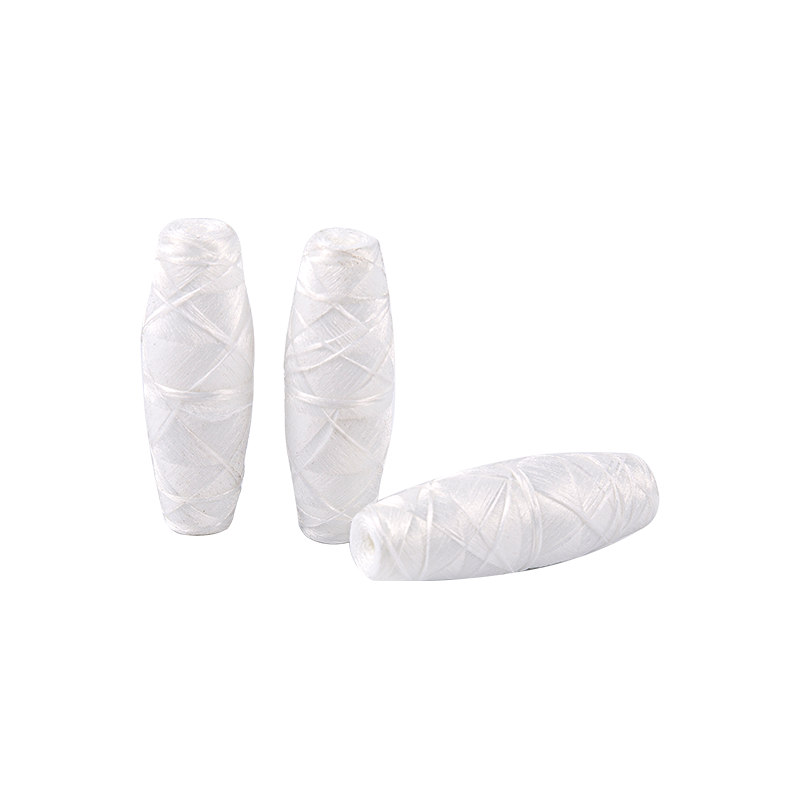 150D Polyester Bobbin Thread for Consistent TensionSpecifically designed for embroidery bobbins, this finer 150D thread reduces bulk and ensures stable tension, preventing the bobbin thread from showing on top.View Product →—provides consistent tension and reduces the likelihood of showing on top.
A needle that is too small for the thread weight can cause friction that alters upper tension. Similarly, a dull or bent needle creates friction and can pull bobbin thread upward. For dense satin stitches or thick fabrics like denim, use a larger needle (size 90/14 or 100/16) and change it every 8–10 hours of stitching. Cross-reference your top thread weight with the recommended needle size in your machine manual.
High-speed stitching increases vibration and can momentarily upset tension. Plus, if the fabric isn’t stabilized well, the needle may push the fabric down, affecting how threads meet. Use an appropriate cut‑away or tear‑away stabilizer for your fabric type, and consider lowering the machine speed by 10–20% when working on detailed or narrow designs (e.g., small letters or satin borders).
If you’re seeing bobbin thread on top, follow this order to identify the issue efficiently:
Prevention starts with consistent machine maintenance and material selection. Regularly clean the hook area after every 4–5 hours of embroidery. Use quality bobbin thread—like a dedicated polyester cocoon shuttle bobbin thread—that is designed to provide even tension without excessive fluff. Always store bobbins in a clean, dry place to prevent lint accumulation. Additionally, keep a tension test fabric next to your machine and run a small sample before each new design, especially when changing thread colors or fabric types.
For home embroidery machines, the tolerance for thread variability is lower, so sticking with compatible thread weights is crucial. If you operate an industrial embroidery setup, maintaining a strict schedule for hook timing and case lubrication will also help. One often‑overlooked factor is the quality of the bottom thread itself—using a thread with consistent diameter and low friction, such as the 150D Polyester Bobbin Thread for Consistent TensionSpecifically designed for embroidery bobbins, this finer 150D thread reduces bulk and ensures stable tension, preventing the bobbin thread from showing on top.View Product →, can significantly reduce tension‑related issues.
If you’ve tried all the steps above and bobbin thread still shows on top, the issue may lie deeper: a timing misalignment between the needle and hook, a damaged bobbin case, or a worn rotary hook. These mechanical problems require a service technician. Before calling for service, check whether the bobbin thread only appears on top in one corner of the hoop—if so, the machine may not be level, or the hoop tension may be uneven. Also, try a different brand of bobbin thread; slight variations in thread lubricant or stiffness can affect tension. For a thorough look at how bobbin thread construction influences embroidery quality, see this industry analysis on cocoon shuttle bobbin threads.
Ultimately, bobbin thread showing on top is a solvable problem. By treating it as a systematic imbalance rather than a random error, you can diagnose the root cause in minutes and return to creating clean, professional embroidery.
Your email address will not be published. Required fields are marked *
*Indicates a required field
Copyright © Shaoxing Qiufei Textile Technology Co., Ltd.  Custom Embroidery Thread Yarn Manufacturers