

 عربى
عربى
Content
- 1 Polyester vs. Rayon Embroidery Thread: Which Should You Choose?
- 2 Understanding Embroidery Thread Weight and Strand Count
- 3 How to Thread a Needle for Embroidery
- 4 How to Use Polyester Embroidery Thread
- 5 How to Use Rayon Embroidery Thread
- 6 Common Embroidery Thread Problems and How to Fix Them
- 7 Storing Embroidery Thread to Preserve Quality
- 8 Practical Tips for Better Embroidery Results With Any Thread
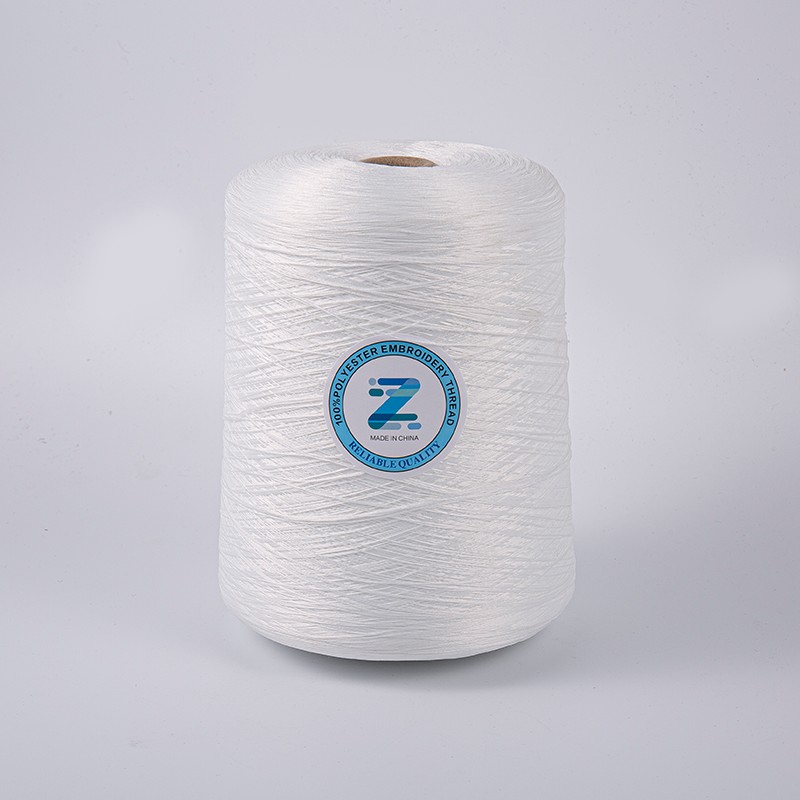
To use embroidery thread effectively, select the right thread type for your fabric and project, thread your needle with the correct number of strands, and maintain consistent tension throughout. The two most popular machine embroidery threads — polyester embroidery thread and rayon embroidery thread — each have distinct properties that make them suited to different applications. Polyester is stronger and more colorfast; rayon delivers superior sheen and a softer hand. Understanding the difference before you start saves time, material, and frustration.
Polyester vs. Rayon Embroidery Thread: Which Should You Choose?
This is the most important decision before any embroidery project. Both threads are widely used in machine embroidery, but they perform differently under stress, heat, and repeated washing.
| Property | Polyester Embroidery Thread | Rayon Embroidery Thread |
|---|---|---|
| Strength | High — resists breaking under tension | Moderate — more delicate |
| Sheen | Moderate, slightly flat | High — silky, lustrous finish |
| Colorfastness | Excellent — minimal fading | Good — may fade with heavy washing |
| Heat Resistance | High — suitable for industrial use | Low — can be damaged by high heat |
| Best Use | Workwear, sportswear, children's items | Decorative garments, formal wear, gifts |
| Typical Weight | 40 wt most common | 40 wt most common |
| Price | Slightly lower cost | Slightly higher cost |
Bottom line: Choose polyester embroidery thread for durability and wash resistance. Choose rayon embroidery thread when visual richness and silky texture matter more than ruggedness.
Understanding Embroidery Thread Weight and Strand Count
Thread weight is one of the most overlooked factors when learning how to use embroidery thread. The number refers to the thickness of the thread — the higher the number, the finer the thread.
- 40 wt — the industry standard for most machine embroidery; works on the majority of fabrics including cotton, denim, and knits.
- 60 wt — a finer thread used for detailed small lettering, monograms, and delicate designs on lightweight fabrics.
- 30 wt — a heavier thread that creates bolder, raised-looking designs; commonly used for satin stitches and fill areas.
For hand embroidery, standard 6-strand embroidery floss is typically split into 2–3 strands for fine detail work and used as a full 6-strand bundle for bold coverage. Using too many strands on lightweight fabric causes puckering; too few on heavy canvas results in sparse, underwhelming coverage.
How to Thread a Needle for Embroidery
Proper threading prevents knots, fraying, and tension problems from the very start of your project.
- Cut your thread at a 45-degree angle to create a clean, pointed tip that passes through the needle eye easily. Work with lengths of 18–24 inches (45–60 cm) — longer lengths tangle and weaken from repeated friction.
- Moisten the tip of the thread slightly or use a needle threader. Avoid bending the thread double to push through the eye, as this creates a weak spot.
- For machine embroidery, follow your machine's threading diagram precisely. With rayon thread, slow down your machine speed by 10–15% since rayon is less elastic and more prone to breakage at high speeds.
- Use the correct needle size: a 75/11 needle for lightweight fabrics and standard 40 wt thread; an 80/12 for medium fabrics; a 90/14 for heavier materials like denim or canvas.
How to Use Polyester Embroidery Thread
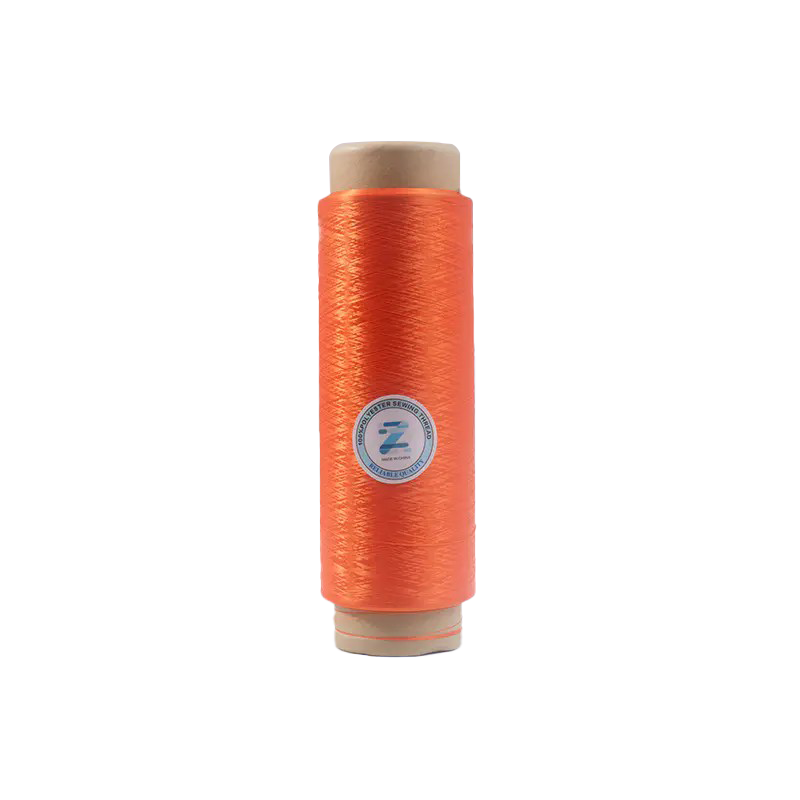
Polyester embroidery thread is the most forgiving and widely compatible thread available. Its higher tensile strength — roughly 20–30% stronger than comparable rayon thread — means it can run at higher machine speeds without breaking.
Best Fabrics for Polyester Embroidery Thread
- Athletic and performance fabrics (polyester mesh, spandex blends)
- Denim and canvas — heavy-use items that will be washed frequently
- Children's clothing and accessories
- Workwear, uniforms, and promotional apparel
Machine Settings for Polyester Thread
- Speed: Full or near-full machine speed is generally acceptable (800–1,000 SPM for most home machines).
- Tension: Standard tension settings work well. If loops appear on the top of the fabric, loosen the top tension slightly.
- Stabilizer: Use a cut-away stabilizer for stretchy fabrics; tear-away for stable woven fabrics.
- Bobbin thread: Use a lightweight bobbin thread (60–90 wt) rather than matching polyester to prevent excess bulk on the underside.
Washing and Care
Polyester embroidery thread is fully colorfast after washing at temperatures up to 60°C (140°F) and is safe for tumble drying on a medium setting. This makes it ideal for items that go through industrial or commercial laundry cycles.
How to Use Rayon Embroidery Thread
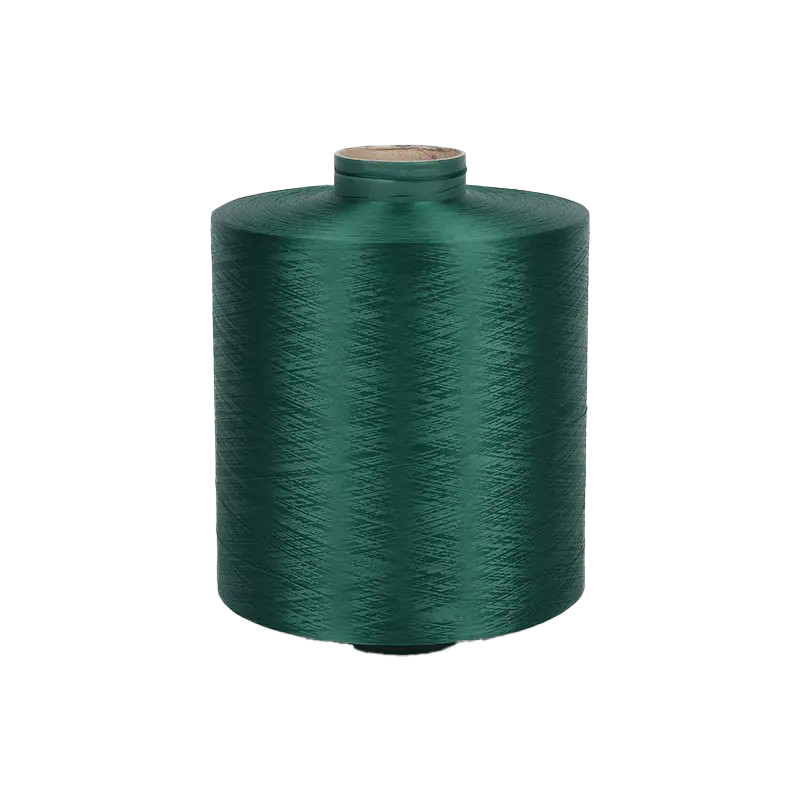
Rayon embroidery thread is made from regenerated cellulose fiber, giving it a natural silk-like luster that polyester simply cannot replicate. It's the preferred choice for decorative, heirloom, and high-visibility embroidery where the visual finish is the top priority.
Best Fabrics for Rayon Embroidery Thread
- Silk, satin, and organza — formal garments and bridal items
- Cotton quilting fabric and high-thread-count linens
- Decorative home items: table runners, pillowcases, monogrammed towels
- Framed artwork and embroidery hoop displays (items not washed regularly)
Machine Settings for Rayon Thread
- Speed: Reduce to 600–750 SPM to prevent thread breakage, especially on dense fill designs.
- Tension: Loosen the upper tension by 1–2 settings compared to your standard polyester setting. Rayon has less stretch and will break if over-tensioned.
- Needle: Use an embroidery-specific needle with a larger eye to reduce friction on the thread.
- Stabilizer: Always use a topping (water-soluble stabilizer) on textured fabrics like terry cloth to prevent the thread from sinking into the pile.
Washing and Care
Rayon thread requires more careful laundering. Wash in cool water (30°C / 86°F max) on a gentle cycle and avoid tumble drying on high heat, as heat can cause rayon fibers to weaken and colors to bleed slightly. Ironing should be done on a low setting with the embroidery face-down on a soft towel to protect the sheen.
Common Embroidery Thread Problems and How to Fix Them
Thread Breaking Repeatedly
- Re-thread the machine completely from scratch — an incorrectly seated thread causes 80% of breaking issues.
- Check the needle for burrs or bends; replace it after every 8–10 hours of sewing.
- With rayon thread specifically, reduce machine speed and loosen tension.
Thread Puckering or Pulling the Fabric
- Your tension is too tight. Loosen the upper tension in small increments and test on a scrap piece.
- Ensure you are using an appropriate stabilizer for the fabric weight.
- For hand embroidery, avoid pulling the thread too tightly when completing each stitch.
Uneven Coverage or Skipped Stitches
- Skipped stitches are almost always caused by a worn or incorrect needle. Switch to a fresh embroidery needle.
- For sparse coverage, increase your stitch density in your design software by 10–15%, or switch from a 60 wt to a 40 wt thread.
Storing Embroidery Thread to Preserve Quality
Both polyester and rayon embroidery thread degrade when exposed to UV light, humidity, and heat over time. Rayon is particularly sensitive — improper storage can cause color fading within as little as 6 months if left on an open rack near a sunny window.
- Store thread in a closed drawer, box, or thread cabinet away from direct sunlight.
- Maintain storage humidity below 60% to prevent moisture-related weakening of rayon fibers.
- Keep spools on vertical pegs or lay them flat — never leave them upright on a horizontal surface where they can roll and unwind.
- Label or organize by color number using your thread brand's numbering system (e.g., Madeira, Sulky, Robison-Anton) to make color matching fast and consistent.
Practical Tips for Better Embroidery Results With Any Thread
- Always test on a scrap fabric first. Run a full test stitch-out before embroidering on your final item to check tension, color accuracy, and density.
- Match thread fiber to fabric fiber where possible. Rayon thread on natural fibers like cotton and linen tends to produce a more cohesive, professional result.
- Use the correct bobbin thread. A 60–90 wt pre-wound bobbin reduces bulk and improves stitch quality regardless of whether you're using polyester or rayon on top.
- Don't mix thread types mid-project unless intentional — switching between polyester and rayon mid-design can create visible differences in sheen within the same color family.
- Keep a thread log. Note the brand, color number, needle size, and tension settings for each project so you can replicate successful results consistently.