

 عربى
عربى
Content
- 1 The Core Definition: What is Draw Texturing Yarn (DTY)?
- 2 The Mechanical Production Process of DTY
- 3 Comparison of DTY Types and Intermingling Levels
- 4 Quality Indicators: Denier, Tenacity, and Elongation
- 5 Diverse Applications of DTY in the Global Market
- 6 Sustainable Shifts: Recycled DTY (rDTY)
- 7 Conclusion: The Future of Draw Texturing Technology
The Core Definition: What is Draw Texturing Yarn (DTY)?
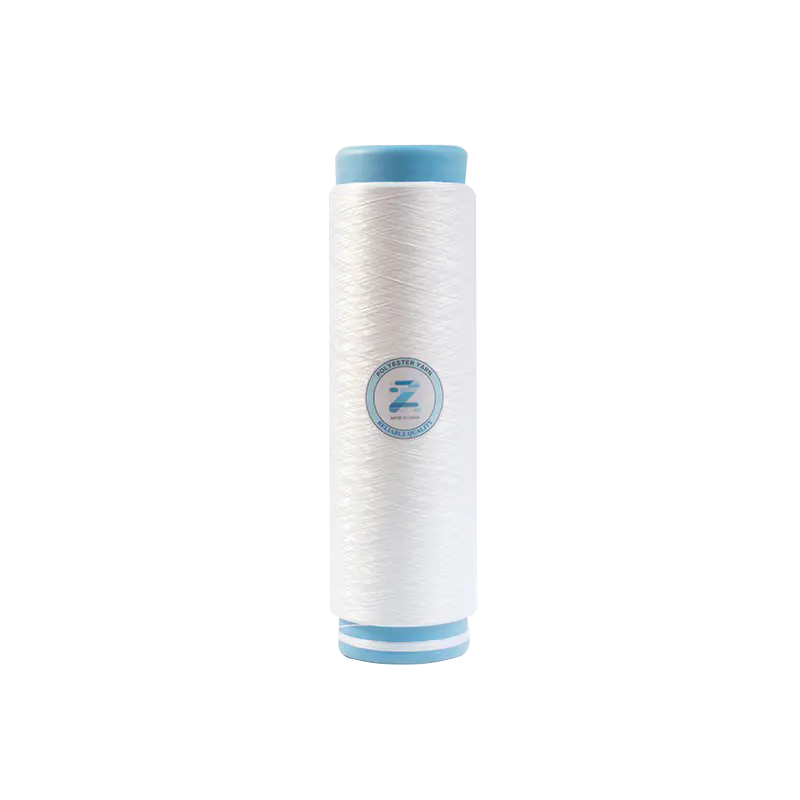
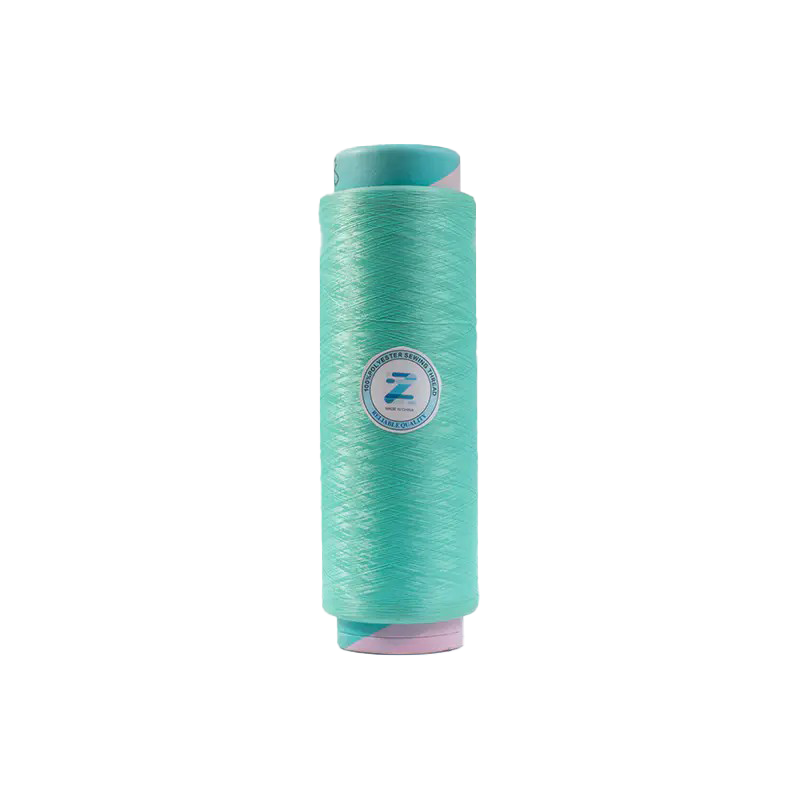
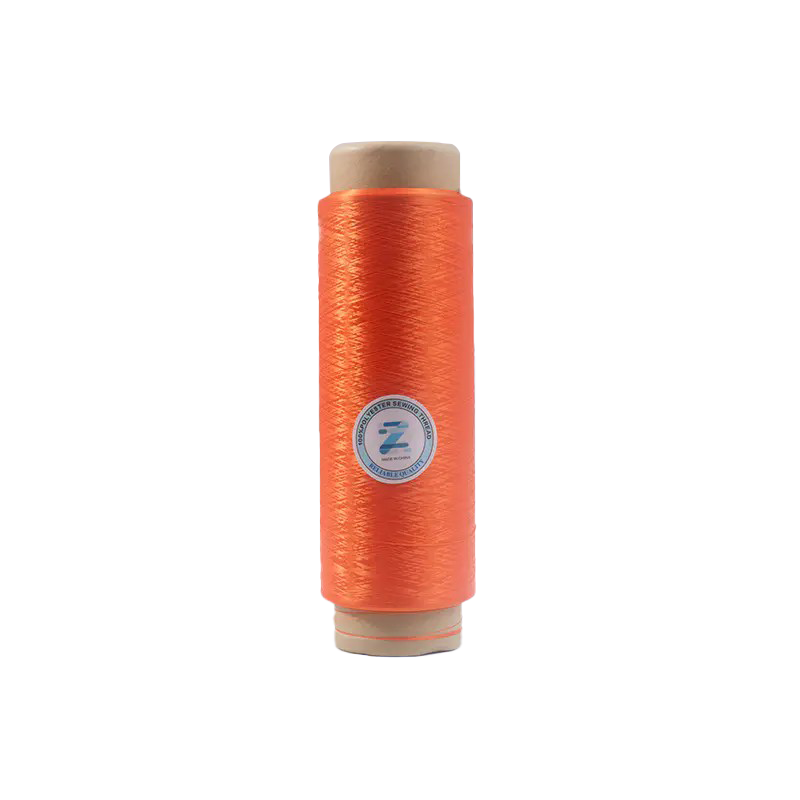
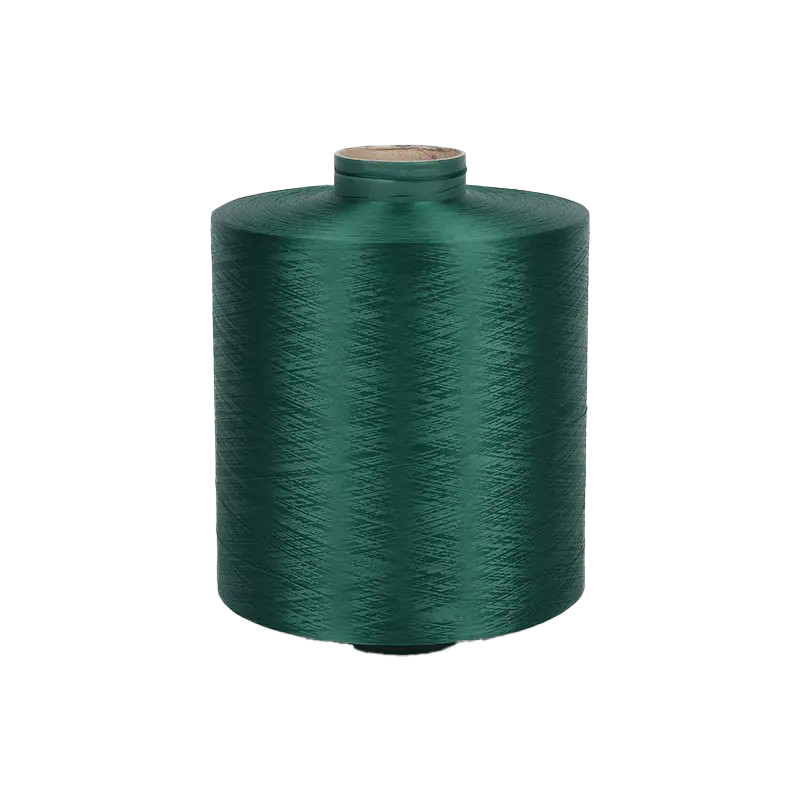
Draw Texturing Yarn (DTY) is a high-performance synthetic filament produced by simultaneously drawing and twisting Partially Oriented Yarn (POY) using a high-speed texturing machine. The definitive characteristic of DTY is its combination of permanent crimp, high bulk, and a soft, cotton-like handle while retaining the strength of synthetic fibers. For textile manufacturers, DTY is the primary choice for apparel and home furnishings because it provides superior warmth retention, moisture-wicking properties, and high elastic recovery compared to flat yarns. By transforming smooth, plastic-like filaments into textured fibers, DTY enables the production of fabrics that are durable, wrinkle-resistant, and comfortable for direct skin contact.
The Mechanical Production Process of DTY
The transition from POY to DTY is a complex thermo-mechanical process. Understanding the physics behind "false-twist" texturing is essential for ensuring yarn uniformity and dyeing consistency.
False-Twist Texturing (FTT) Principles
In a standard DTY machine, the POY is fed through a primary heater while being subjected to high-speed rotation by friction discs. This process creates a temporary twist. As the yarn passes through a cooling zone and is "untwisted," the molecular structure remains "set" in a helical shape. This "memory effect" is what creates the characteristic bulk and elasticity. Modern machines can operate at speeds exceeding 800 to 1,000 meters per minute, requiring precise tension control to avoid filament breakage.
The Secondary Heater and Heat Setting
For "set" yarns (standard DTY), a secondary heater is used to stabilize the crimp. This reduces the torque and residual shrinkage of the yarn. Without this step, the yarn would be highly elastic (High Stretch) but difficult to weave or knit into stable fabrics. The temperature of the secondary heater is typically 10°C to 20°C lower than the primary heater to ensure the crimp is relaxed but not destroyed.
Comparison of DTY Types and Intermingling Levels
One of the most critical specifications for a textile engineer is the level of intermingling (or knotting) in the DTY. This determines the yarn's suitability for high-speed weaving looms or circular knitting machines.
| Type | Suffix | Knots per Meter | Primary Application |
|---|---|---|---|
| Non-Intermingled | NIM | 0 - 10 | Dyeing, Twisting |
| Slightly Intermingled | SIM | 40 - 50 | Circular Knitting |
| High Intermingled | HIM | 100 - 120 | Warping/Weaving |
HIM DTY is constructive for shuttleless looms because the air-jet "knots" keep the individual filaments together, preventing tangles during high-speed insertion. Conversely, NIM DTY is often preferred for specialized finishes where a smoother surface or subsequent twisting is required.
Quality Indicators: Denier, Tenacity, and Elongation
The performance of Draw Texturing Yarn in the final garment is dictated by its physical properties. A high-quality DTY must strike a balance between strength and softness.
- Denier and Filament Count: Common specs include 75D/36F, 150D/48F, or 300D/96F. A higher filament count (e.g., 144F) creates "Micro-DTY," which results in a much softer hand-feel and better moisture-wicking due to the increased surface area.
- Tenacity (Breaking Strength): For polyester DTY, a tenacity of 3.2 to 4.5 cN/dtex is standard. High-tenacity variants are required for industrial textiles or heavy-duty upholstery.
- Crimp Contraction (CC%): This measures the "texture" of the yarn. A CC% of 20% to 30% provides excellent bulk for winter wear, while a lower CC% is used for summer fabrics to keep the garment breathable and light.
Diverse Applications of DTY in the Global Market
Because DTY can be customized with various cross-sections (circular, trilobal, or cross-shaped) and additives (UV resistant, flame retardant), its application range is immense.
Apparel and Activewear
The majority of DTY is used in the apparel sector. Its wrinkle resistance and fast-drying nature make it the ideal material for sportswear and intimate apparel. For example, circular-knitted DTY fabrics are the foundation for nearly 60% of the world’s yoga leggings and athletic tops.
Home Furnishings and Upholstery
In the home textile market, 300D to 600D DTY is woven into durable sofa covers, curtains, and bedsheets. The trilobal bright DTY is particularly popular for upholstery because it mimics the lustrous sheen of natural silk while providing the stain resistance of synthetic polyester.
Sustainable Shifts: Recycled DTY (rDTY)
A constructive trend in 2026 is the massive adoption of Recycled Draw Texturing Yarn (rDTY). Produced from Post-Consumer Recycled (PCR) PET bottles, rDTY offers the same mechanical properties as virgin yarn but with a 50% reduction in energy consumption during manufacturing.
- GRS Certification: Manufacturers must adhere to the Global Recycled Standard (GRS) to ensure the traceability of the recycled content.
- Dope-Dyed DTY: By adding color masterbatch during the POY extrusion phase, the need for traditional water-intensive dyeing is eliminated. This saves approximately 30 liters of water per kilogram of yarn, making it a critical choice for environmentally conscious brands.
Conclusion: The Future of Draw Texturing Technology
Draw Texturing Yarn remains the workhorse of the synthetic fiber industry. Its ability to provide bulk, elasticity, and comfort at a fraction of the cost of natural fibers ensures its continued dominance. As we move toward 2027, the focus will shift toward further micro-filament innovation and functional additives like graphene or anti-bacterial agents integrated directly into the polymer. For the textile professional, success lies in selecting the correct DTY denier, intermingling level, and stretch profile to match the specific demands of the final fabric, ensuring a perfect balance of aesthetics and technical performance.