

 عربى
عربى
Content
- 1 Understanding Polyester DTY and Its Characteristics
- 2 Growing Demand in Knitting Applications
- 3 Expanding Use in Weaving Processes
- 4 Cost Efficiency and Production Advantages
- 5 Role in Blended Fabrics
- 6 Quality Consistency and Supply Stability
- 7 Supporting Sustainable Textile Practices
- 8 Market Trends and Industry Outlook
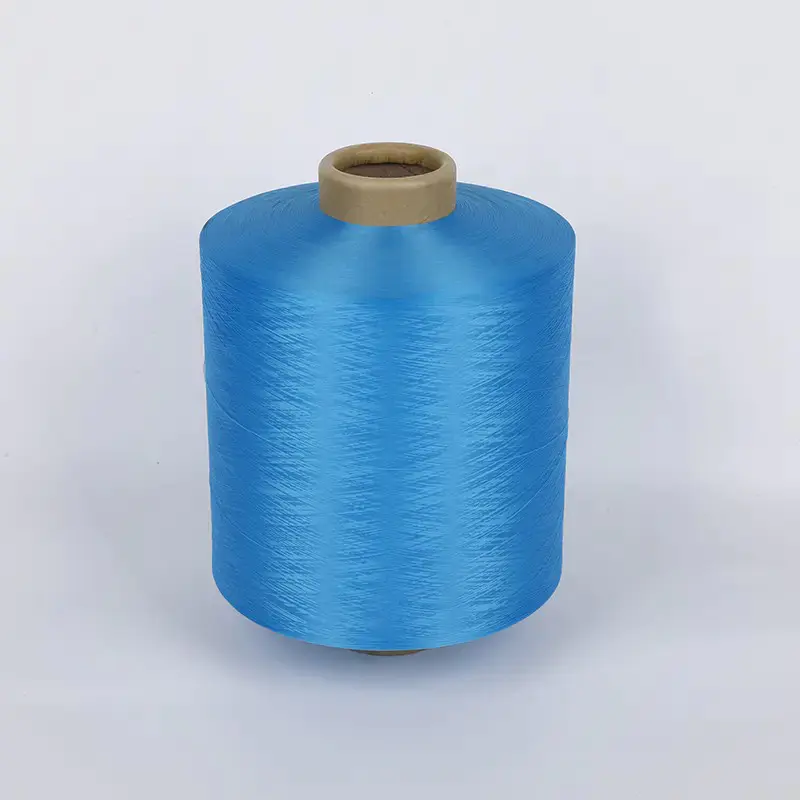
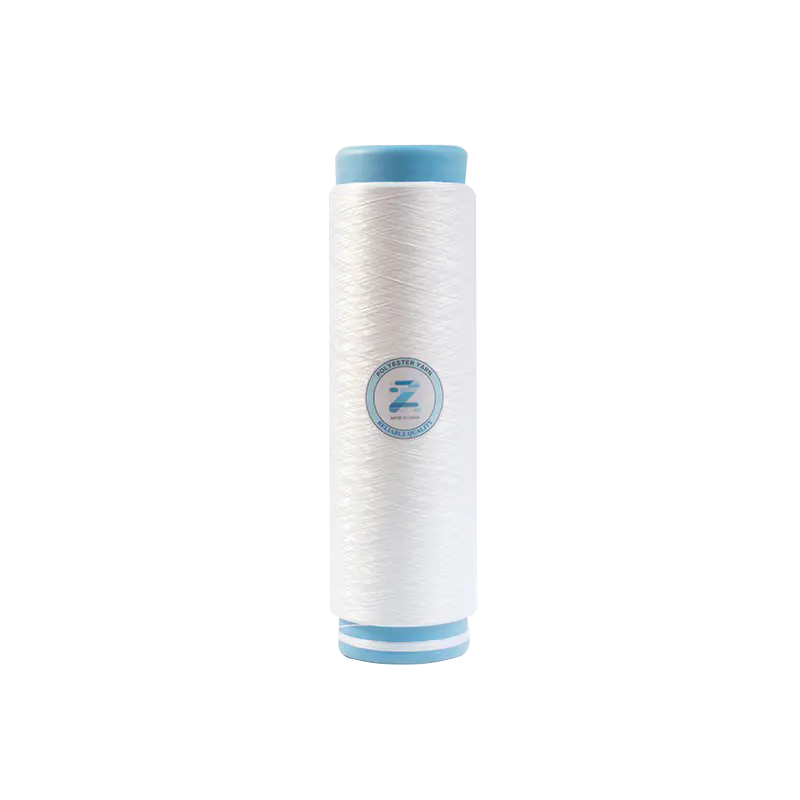
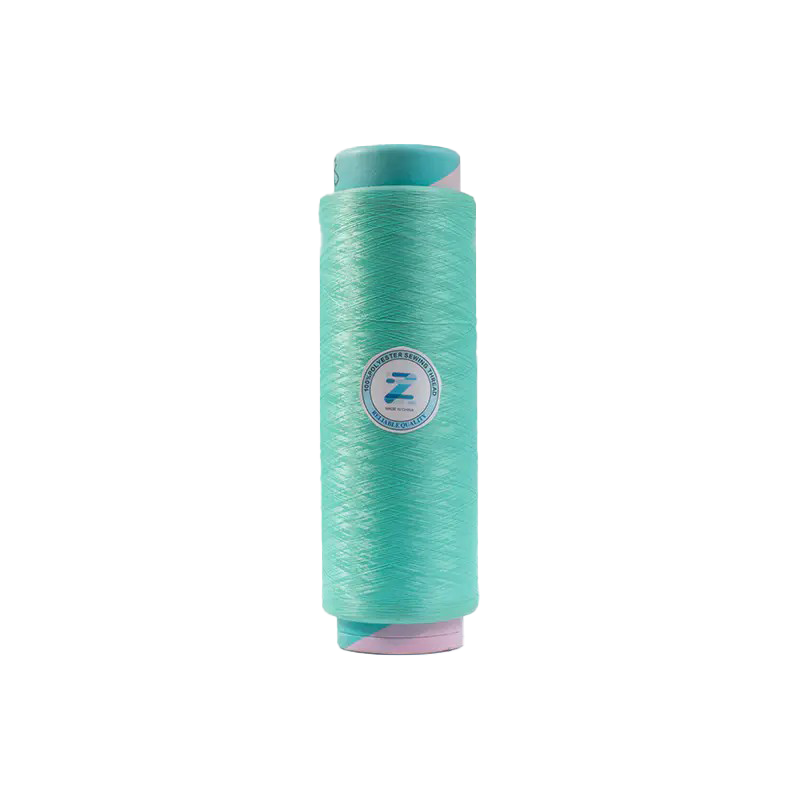
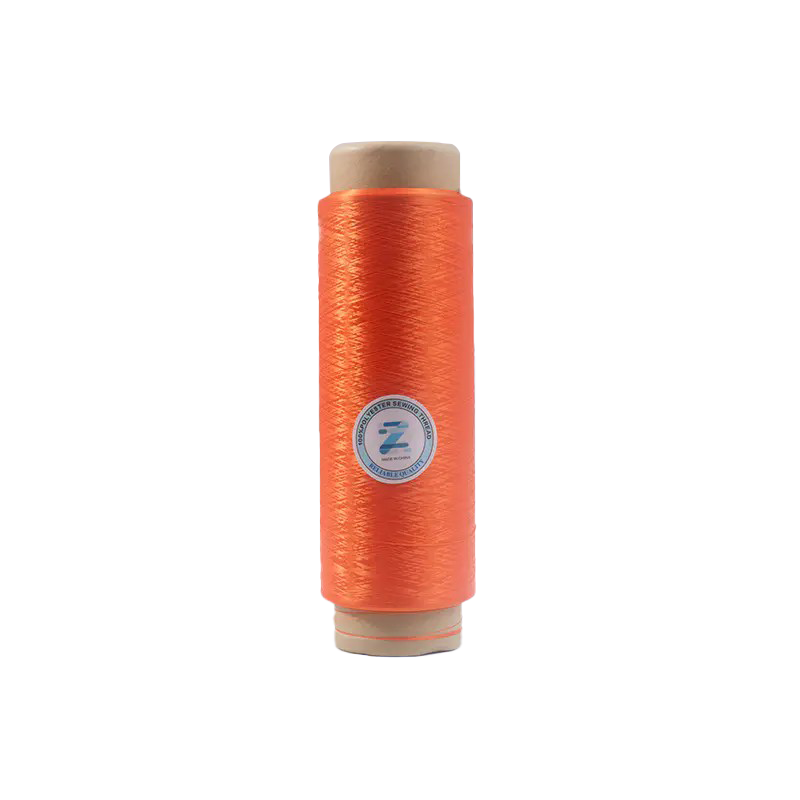
In recent years, Polyester DTY (Draw Textured Yarn) has seen steadily growing acceptance across the global textile industry, particularly in knitting and weaving applications. As fabric manufacturers respond to changing market demands, cost pressures, and performance requirements, Polyester DTY has emerged as a practical and adaptable yarn choice. Its balance of durability, flexibility, and processing efficiency makes it well suited for a wide range of textile products, from apparel and home textiles to industrial fabrics.
This increasing popularity reflects broader trends within the textile sector, where manufacturers are placing greater emphasis on material consistency, production efficiency, and long-term supply reliability. Polyester DTY continues to meet these expectations, positioning itself as a key component in modern knitting and weaving operations.
Understanding Polyester DTY and Its Characteristics
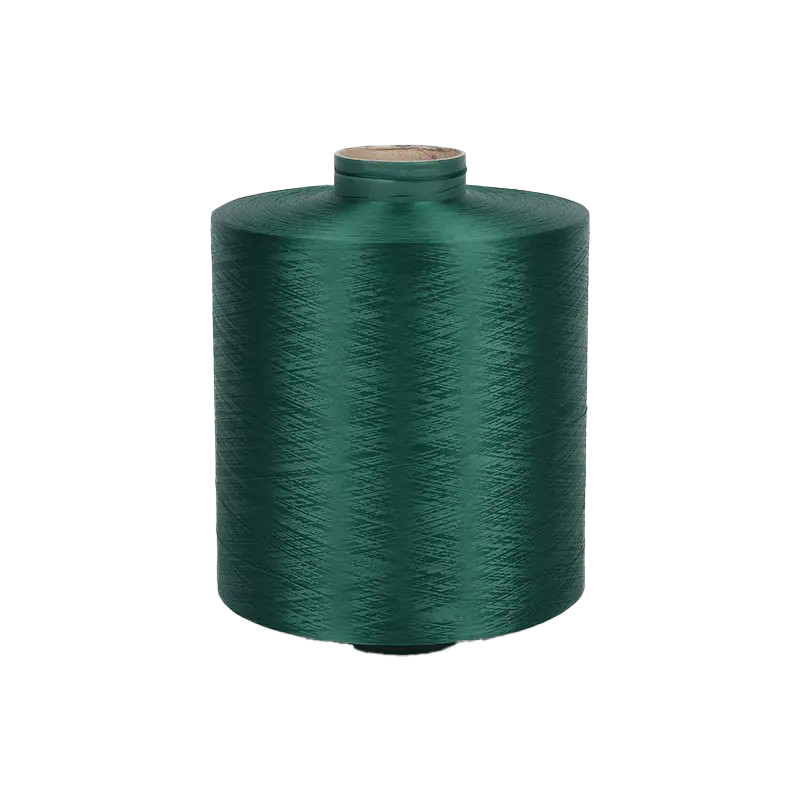
Polyester DTY is produced through a texturing process applied to partially oriented yarn (POY). This process introduces crimp, bulk, and elasticity, giving the yarn properties that are closer to natural fibers while retaining the strength and stability of polyester. Compared with fully drawn yarn (FDY), DTY offers improved softness and stretch, which are especially valued in fabric formation.
The texturing process allows manufacturers to adjust yarn characteristics such as elasticity, bulk, and hand feel, depending on end-use requirements. This flexibility makes Polyester DTY suitable for both knitting and weaving, two segments that often demand different yarn behaviors during processing and in finished fabrics.
Growing Demand in Knitting Applications
Knitting applications have been one of the main drivers behind the rising demand for Polyester DTY. Knitted fabrics typically require yarns with good elasticity, recovery, and uniformity to ensure smooth machine operation and consistent fabric appearance. Polyester DTY meets these requirements well, making it a reliable choice for circular knitting, warp knitting, and flat knitting processes.
In apparel production, Polyester DTY is widely used for sportswear, casual wear, underwear, and outerwear. Its ability to provide stretch and comfort while maintaining dimensional stability helps manufacturers produce garments that meet both functional and aesthetic expectations. As consumer preferences continue to favor comfort-oriented clothing, the role of Polyester DTY in knitted fabric production has expanded accordingly.
Beyond apparel, knitted fabrics made from Polyester DTY are also used in technical textiles, such as automotive interiors and industrial linings. In these applications, the yarn’s strength and resistance to wear contribute to long-term performance, while its texturing supports fabric flexibility.
Expanding Use in Weaving Processes
While Polyester DTY has traditionally been associated more closely with knitting, its use in weaving applications has increased in recent years. Advances in texturing technology and improved quality control have made DTY more consistent, allowing it to perform reliably on modern looms.
In weaving, Polyester DTY is often selected for fabrics that require a softer texture or subtle stretch, such as upholstery fabrics, curtain materials, and certain apparel textiles. The bulk provided by the textured yarn helps enhance fabric coverage and visual appeal without significantly increasing weight.
Weaving applications also benefit from the yarn’s uniformity and strength, which help reduce breakage during high-speed production. As weaving equipment continues to evolve, the compatibility of Polyester DTY with advanced looms has further supported its adoption in this segment.
Cost Efficiency and Production Advantages
Cost efficiency remains a key factor influencing material selection in the textile industry. Polyester DTY offers a favorable balance between performance and cost, making it attractive to manufacturers operating in competitive markets. Compared with many natural fibers, Polyester DTY provides more stable pricing and consistent availability, helping manufacturers plan production with greater confidence.
From a processing perspective, Polyester DTY supports efficient fabric production. Its consistent quality reduces machine downtime caused by yarn defects, while its adaptability allows manufacturers to use the same yarn across multiple product lines. This versatility can simplify inventory management and reduce overall operational complexity.
Additionally, the durability of Polyester DTY contributes to reduced fabric waste during production and improved performance in finished goods. These advantages align with industry efforts to improve efficiency and minimize unnecessary losses.
Role in Blended Fabrics
Another important factor driving the popularity of Polyester DTY is its suitability for blended fabrics. Polyester DTY blends well with fibers such as cotton, viscose, spandex, and wool, allowing manufacturers to develop fabrics with tailored performance characteristics.
In knitted and woven fabrics, blending Polyester DTY can improve strength, wrinkle resistance, and dimensional stability while maintaining comfort and breathability. These blended fabrics are widely used in apparel, home textiles, and workwear, where balanced performance is essential.
The ability to create diverse fabric structures through blending has made Polyester DTY an important material for designers and fabric developers seeking to meet varied market demands.
Quality Consistency and Supply Stability
As global textile supply chains become more interconnected, quality consistency and supply stability have become increasingly important. Polyester DTY is produced at scale in many regions, supported by established manufacturing infrastructure and standardized production processes. This widespread availability helps ensure stable supply, even during periods of market fluctuation.
Manufacturers and buyers alike value the predictability of Polyester DTY, particularly for long-term contracts and large-volume orders. Consistent yarn quality supports uniform fabric appearance and performance, which is critical for brand reputation and customer satisfaction.
Supporting Sustainable Textile Practices
Sustainability considerations are playing a growing role in material selection across the textile industry. Polyester DTY contributes to these efforts in several ways. Its durability extends the usable life of fabrics, reducing the need for frequent replacement. Longer-lasting products can help lower overall resource consumption over time.
In addition, recycled polyester DTY options are becoming more widely available. These products utilize recycled raw materials while maintaining performance characteristics suitable for knitting and weaving. As brands and manufacturers seek to align with environmental goals, recycled Polyester DTY is gaining attention as a practical alternative.
While sustainability remains a complex issue, the adaptability of Polyester DTY allows it to fit into evolving strategies aimed at improving environmental responsibility.
Market Trends and Industry Outlook
The continued popularity of Polyester DTY in knitting and weaving applications reflects broader trends shaping the textile industry. Demand for versatile, cost-effective, and reliable materials is expected to remain strong as manufacturers navigate changing consumer preferences and economic conditions.
Ongoing improvements in texturing technology and quality management are likely to further enhance the performance of Polyester DTY. These developments may expand its application range and support more specialized fabric designs.
As the industry moves forward, Polyester DTY is expected to remain a core yarn type within both knitting and weaving segments. Its combination of performance, flexibility, and supply stability positions it well to meet the evolving needs of textile manufacturers worldwide.