

 عربى
عربىNEWS
Home / News / Industry News / A Deep Dive into the Manufacturing Process of Polyester Embroidery Thread
75/36 100% elastic yarn 20D Denier air-wrapped yarn: innovative technology improves fabric breathability
Jun 06,2025
Unraveling the Durability: Why Polyester Embroidery Thread Reigns Supreme
Jun 06,2025
The power of nonwovens: how non-woven fabrics impact modern life
Jun 06,2025
From strength to protection: Nylon cable performance and selection guide for various applications
Jun 06,2025
Creative Ways to Incorporate Sequin Yarn into Clothing Designs for Stunning Visual Effects
Jun 06,2025Content
Polyester embroidery thread has gained significant popularity in the textile industry over the past few decades. Known for its durability, vibrant color retention, and versatility, it is the preferred choice for both industrial and hobbyist embroidery applications. However, few people truly understand the intricate manufacturing process that transforms raw polyester fibers into the vibrant threads we use for embroidery.
Before diving into the production process, it’s important to understand what polyester is and why it’s so ideal for embroidery. Polyester is a synthetic fiber made from petrochemical products, primarily derived from petroleum. Its properties make it highly resistant to shrinking, stretching, and fading, which are essential characteristics for a long-lasting and high-quality embroidery thread.
Polyester fibers are also highly resistant to environmental factors such as heat, moisture, and UV light, which means that embroidery threads made from polyester retain their strength and color even after repeated washing or exposure to the sun. These features make polyester embroidery thread an excellent choice for both industrial apparel and fashion embroidery projects that need to withstand wear and tear.
The journey from raw polyester fibers to finished embroidery thread is an intricate process, combining both mechanical and chemical techniques to ensure the highest quality product. Below are the key stages involved:
The first step in manufacturing polyester embroidery thread begins with the production of raw polyester fibers. These fibers are created through a process known as polymerization, where terephthalic acid (TPA) and ethylene glycol (EG) are heated under specific conditions to produce polyester resin. This resin is then extruded through a spinneret, which is a device with numerous tiny holes that allows the liquid resin to form filaments of polyester fiber.
After extrusion, the fibers are cooled, stretched, and hardened to enhance their tensile strength. The resulting polyester filaments are soft and flexible but need to be twisted and spun into a yarn to make them suitable for embroidery.
Once the polyester fibers have been extruded and cooled, they undergo a process called drawing, where the fibers are stretched to increase their strength and elongation. This is done to ensure that the fibers are smooth, uniform, and flexible. The drawn fibers are then twisted together to form a continuous yarn.
Twisting is a crucial part of the process because it gives the yarn its strength and prevents individual fibers from breaking or fraying during embroidery. The yarn is usually twisted in a specific direction to ensure that it has the right amount of elasticity and flexibility for smooth stitching.
Polyester embroidery thread is known for its vibrant, rich colors. To achieve this, the yarn undergoes a dyeing process that allows manufacturers to create a wide range of colors, from pastel shades to bold, saturated hues.
Polyester fibers are generally dyed using a process known as solution dyeing or piece dyeing. In solution dyeing, the color is introduced during the polymerization process, ensuring the color is embedded into the fibers from the very start. This method results in threads that have exceptional colorfastness and resistance to fading.
In piece dyeing, the yarn is dyed after it’s been spun, usually in large dyeing machines. The dye is applied in a water-based solution, which allows the yarn to absorb the color evenly. The yarn is then heat-set to ensure that the color bonds to the fibers and doesn’t wash out over time.
The dyeing process is critical to the final appearance and durability of the embroidery thread. Polyester fibers have the advantage of accepting vibrant dyes, which contribute to the thread's ability to retain its color for long periods.
After dyeing, the yarn enters the finishing stage, which is designed to give the polyester embroidery thread its final texture and properties. Various techniques are used at this stage to improve the thread’s performance and appearance:
The finishing stage ensures that the polyester embroidery thread is ready for the wide range of applications it will be used for, whether it’s on a commercial garment or a delicate piece of handwork.
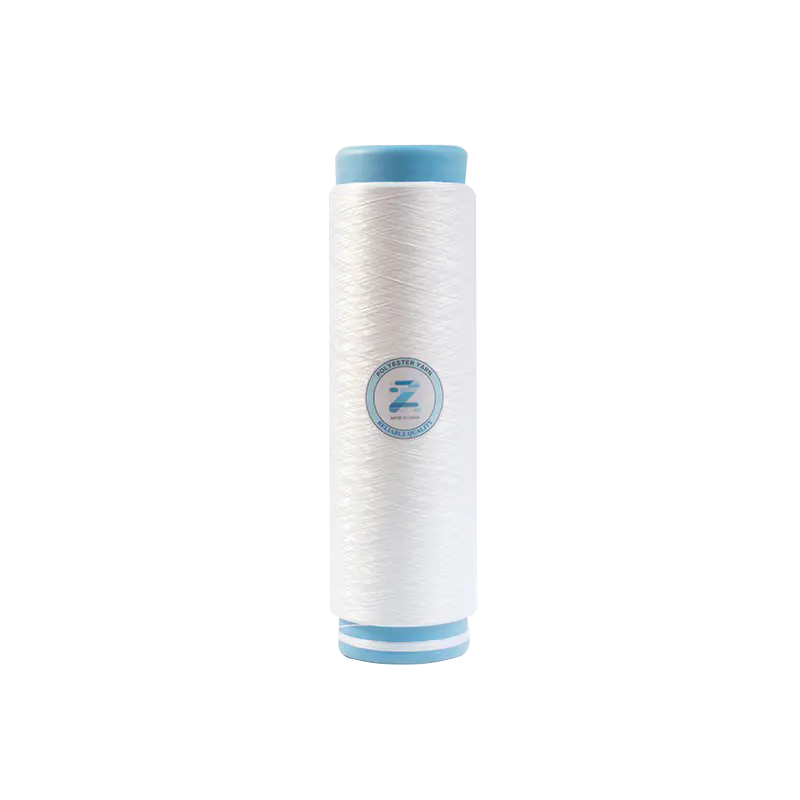
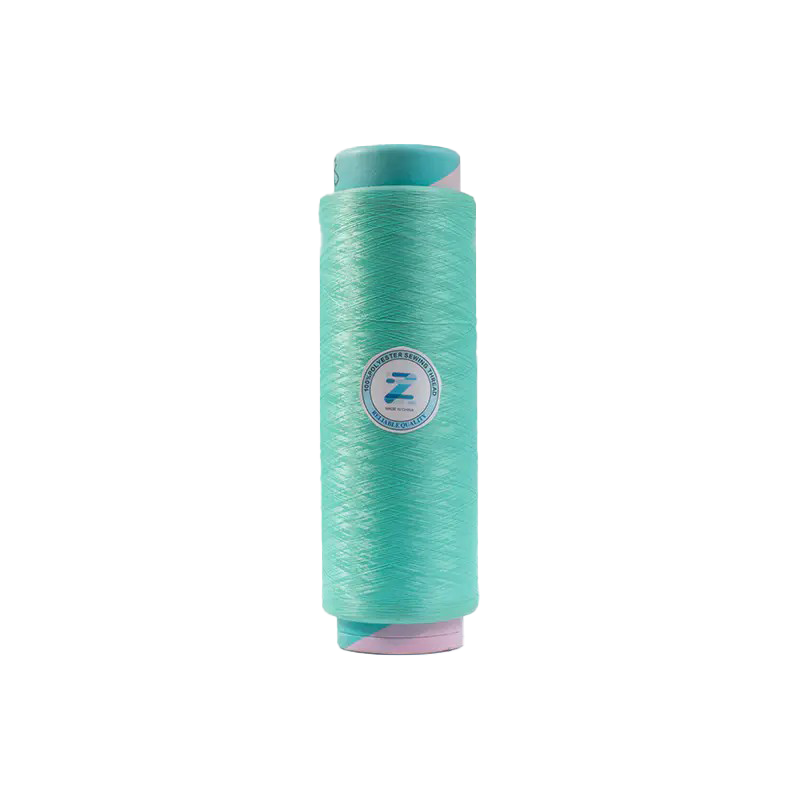
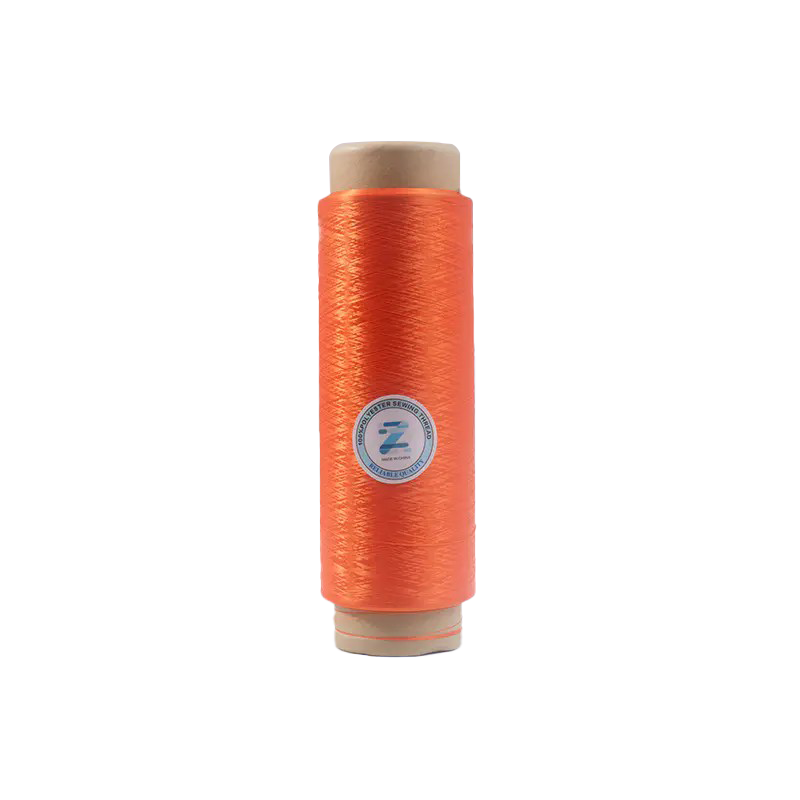
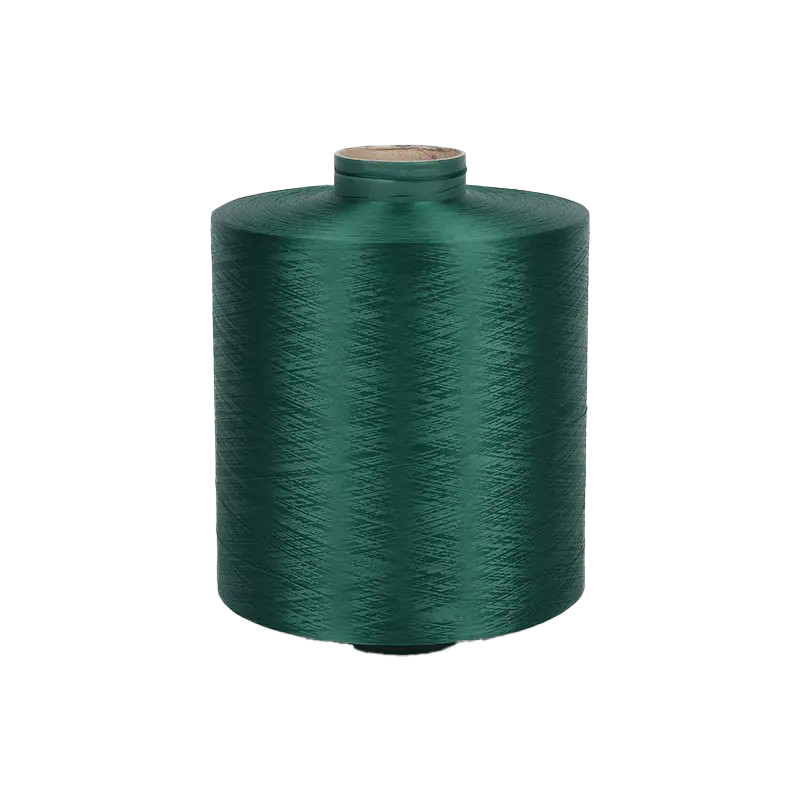
After the finishing processes are complete, the polyester embroidery thread is wound onto spools or cones, ready for distribution. This stage of the process involves carefully winding the thread to avoid tangling, ensuring that the thread remains consistent and easy to use.
Once spooled, the thread is packaged for sale. Packaging typically includes branding information, care instructions, and other details that are important for both consumers and businesses. At this point, the thread is ready to be shipped to suppliers, designers, or manufacturers who will use it in embroidery projects.
Throughout the entire manufacturing process, polyester embroidery threads are subject to rigorous quality control checks. These checks ensure that the finished product meets high standards for durability, color consistency, and overall performance. Some of the key quality control measures include:
In recent years, there has been growing attention to the environmental impact of synthetic fibers, including polyester. Manufacturers are increasingly looking for ways to reduce waste, improve energy efficiency, and create more sustainable production methods for polyester embroidery threads.
Some manufacturers are turning to recycled polyester, made from post-consumer waste such as plastic bottles, to create their embroidery threads. This reduces the amount of virgin polyester required and helps divert plastic waste from landfills. Furthermore, waterless dyeing technologies are being developed to minimize the environmental footprint of the dyeing process.
While polyester embroidery thread offers significant durability and colorfastness, sustainable practices in the production of these threads are becoming an important consideration for environmentally conscious brands and consumers alike.
Polyester DTY Gains Popularity in Knitting and Weaving Applications
2025-12-17
How Polyester Embroidery Yarn Enhances Durability and Vibrancy in Embroidery Projects
2025-12-31Your email address will not be published. Required fields are marked *
*Indicates a required field
Copyright © Shaoxing Qiufei Textile Technology Co., Ltd.  Custom Embroidery Thread Yarn Manufacturers