

 عربى
عربى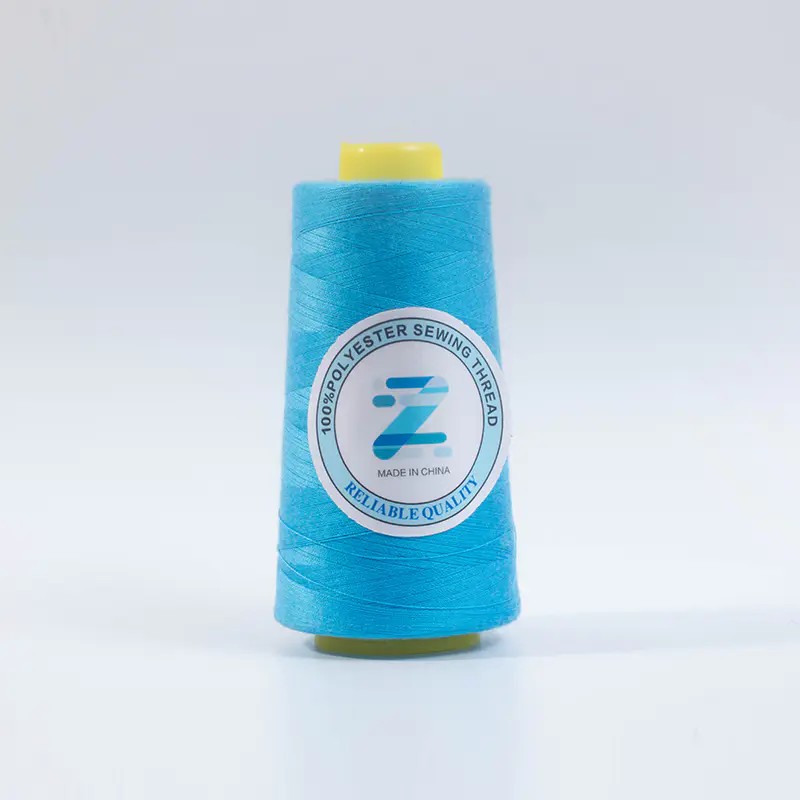
Content
- 1 Why Proper Thread Storage Matters More Than You Think
- 2 Understanding Your Thread Types Before Storing
- 3 The Best Storage Methods for Embroidery Thread Yarn
- 4 How to Store Embroidery Silk Thread Specifically
- 5 Storing polyester embroidery thread: Practical Tips
- 6 Color Organization Systems That Actually Work
- 7 Common Storage Mistakes to Avoid
- 8 Storage Solutions by Collection Size
- 9 Keeping a Thread Inventory: A Step Worth Taking
The best way to store embroidery thread is to keep it organized by type and color, wound neatly, and protected from light, moisture, and dust. Whether you work with embroidery silk thread, polyester embroidery thread, or cotton floss, improper storage leads to tangling, fading, and fiber degradation — all of which waste time and money. This guide gives you concrete, method-by-method storage solutions tailored to each thread type.
Why Proper Thread Storage Matters More Than You Think
Embroidery thread yarn is more fragile than it looks. UV exposure can fade dyed threads by up to 40% within six months if left near a window. Humidity above 60% promotes mildew on natural fibers like silk and cotton. And tangled skeins can add 10–20 minutes of prep time per project — a significant loss for regular stitchers.
Beyond aesthetics, poor storage shortens thread lifespan. Embroidery silk thread, in particular, is prone to weakening when exposed to heat or friction. polyester embroidery thread is more resilient but can still attract dust and static if left loose. A good storage system protects your investment and keeps your creative process smooth.
Understanding Your Thread Types Before Storing
Different thread materials have different storage needs. Here's a quick comparison:
| Thread Type | Material | Main Risk | Ideal Storage Condition |
|---|---|---|---|
| Embroidery Silk Thread | Natural protein fiber | UV fading, humidity, friction | Dark, cool, low humidity (<50%) |
| polyester embroidery thread | Synthetic fiber | Static, dust, heat distortion | Sealed containers, away from heat |
| Cotton Embroidery Floss | Natural plant fiber | Mildew, tangling, color bleeding | Dry, ventilated, sorted by color |
| Metallic Embroidery Thread | Metal-wrapped synthetic | Kinking, oxidation, breakage | Individual bobbins, upright position |
The Best Storage Methods for Embroidery Thread Yarn
There is no single "best" method — the right approach depends on your collection size, workspace, and how frequently you stitch. Below are the most effective and widely used systems.
1. Bobbin Storage Systems
Winding thread onto plastic or cardboard bobbins is one of the most popular methods for organizing embroidery floss and polyester embroidery thread. Bobbins fit neatly into divided plastic boxes or ring binders, and you can label each one with the brand color code (e.g., DMC 550 or Anchor 102).
- Plastic snap-lid boxes with bobbin slots hold 50–300 threads in a compact footprint.
- Ring binder systems with zip-lock bobbin pages are ideal for travel or workshops.
- Avoid over-winding bobbins — tension from tight winding can distort delicate silk threads over time.
2. Skein Hangers and Thread Rings
For embroidery silk thread and luxury skeins you want to preserve in original form, thread rings or skein hangers are an excellent option. Thread rings allow you to pull directly from the skein without unwinding the full length, preventing the tangling common with loose skeins.
- Hang rings on a pegboard or rod inside a closed cabinet to block light exposure.
- Group by color family for quick visual access during projects.
- Use acid-free tissue paper between silk skeins if stacking in a box.
3. Thread Racks and Wall-Mounted Displays
Wall-mounted thread racks look beautiful in a dedicated craft room, but they come with trade-offs. Threads exposed to ambient light for more than a few hours per day risk measurable color shift within 3–6 months, especially vibrant reds and blues. If you use a rack, position it away from direct sunlight and consider covering it with a light curtain between sessions.
4. Divided Storage Boxes and Tackle Boxes
Multi-compartment plastic containers — often sold as tackle boxes or craft organizers — work well for polyester embroidery thread spools and short thread lengths. Look for boxes with adjustable dividers so you can customize compartment sizes for different spool widths.
- Stackable boxes save vertical space and can be labeled on the sides for fast identification.
- Transparent lids let you see contents without opening every box.
- Add a small silica gel packet per box to absorb excess moisture — especially important in humid climates.
How to Store Embroidery Silk Thread Specifically
Embroidery silk thread demands the most careful handling of any thread type. Silk is a protein fiber, like wool, and shares many of its vulnerabilities: it weakens in high heat, absorbs moisture readily, and degrades when exposed to strong light or harsh chemicals.
Follow these silk-specific guidelines:
- Store in a dark container — an opaque tin, wooden box, or fabric-lined case is ideal.
- Maintain room temperature between 15–20°C (59–68°F) and relative humidity below 50%.
- Never store silk near cedar blocks or strong-smelling sachets — the oils can transfer to fibers.
- If storing long-term (6+ months), wrap skeins loosely in acid-free tissue paper to prevent creasing.
- Do not store in attics or basements where temperature swings are common.
For embroiderers using hand-dyed silk, be especially cautious: natural dyes used in artisan silk threads are often less lightfast than industrial dyes, meaning fading can occur twice as fast under the same exposure conditions.
Storing polyester embroidery thread: Practical Tips
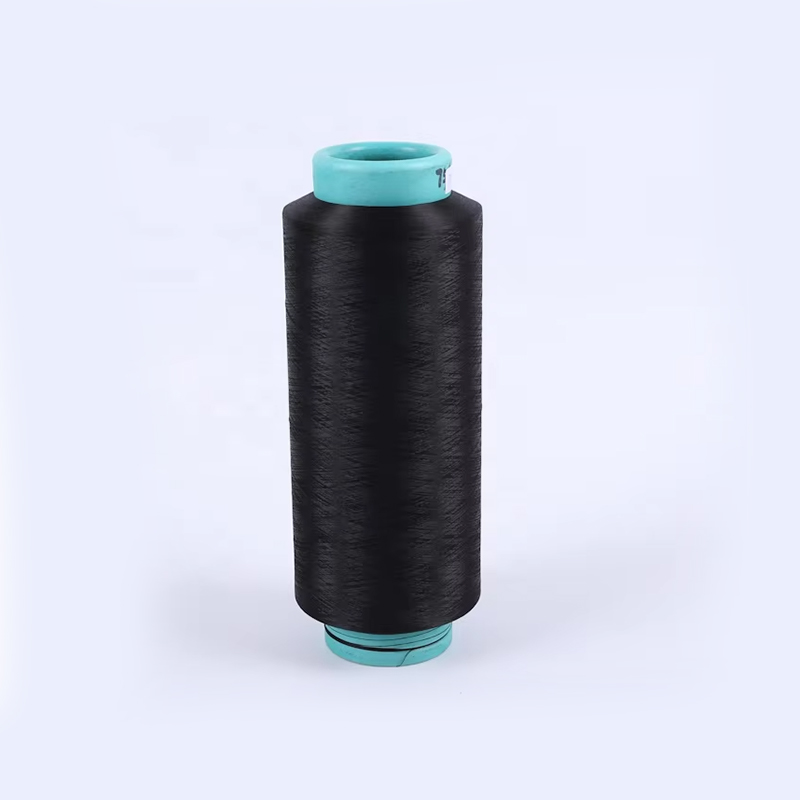
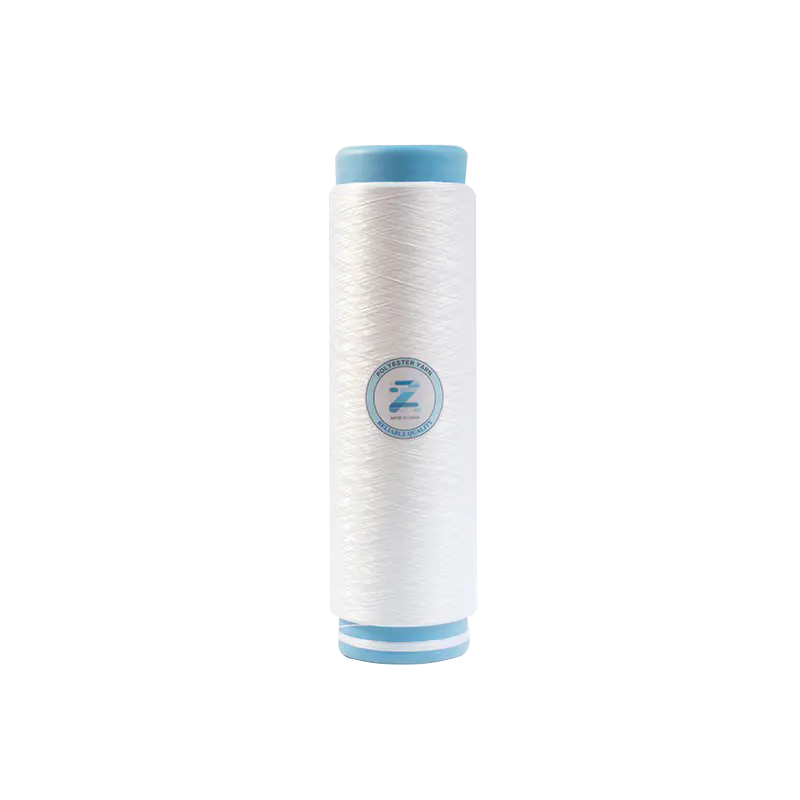
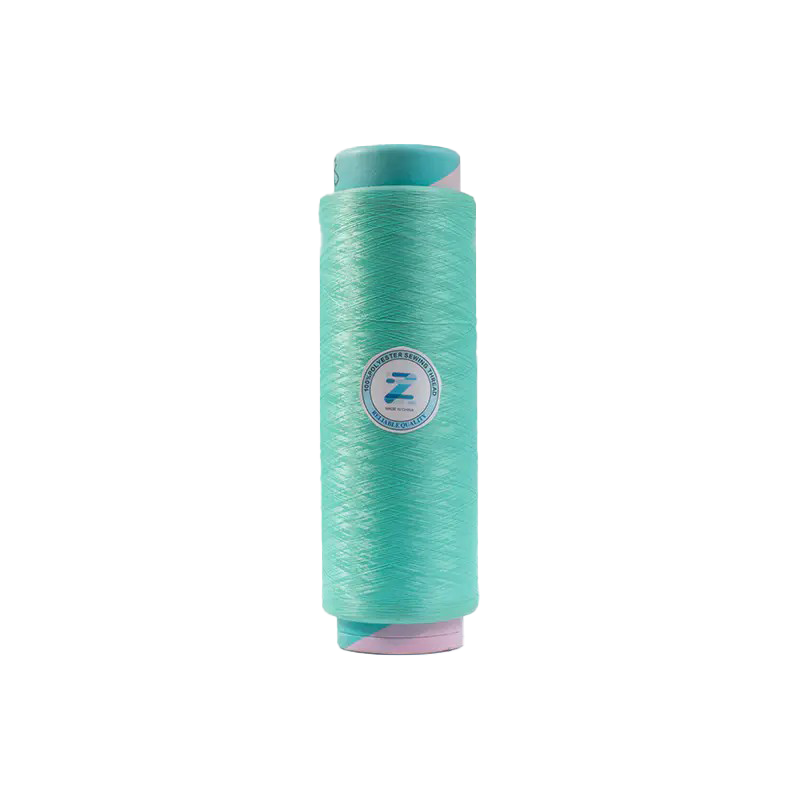
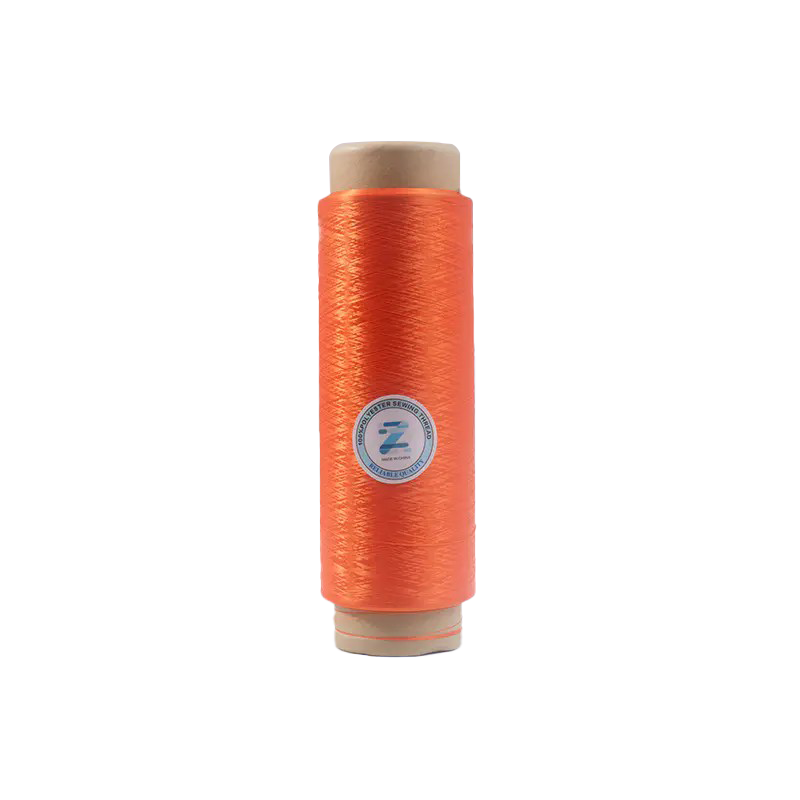
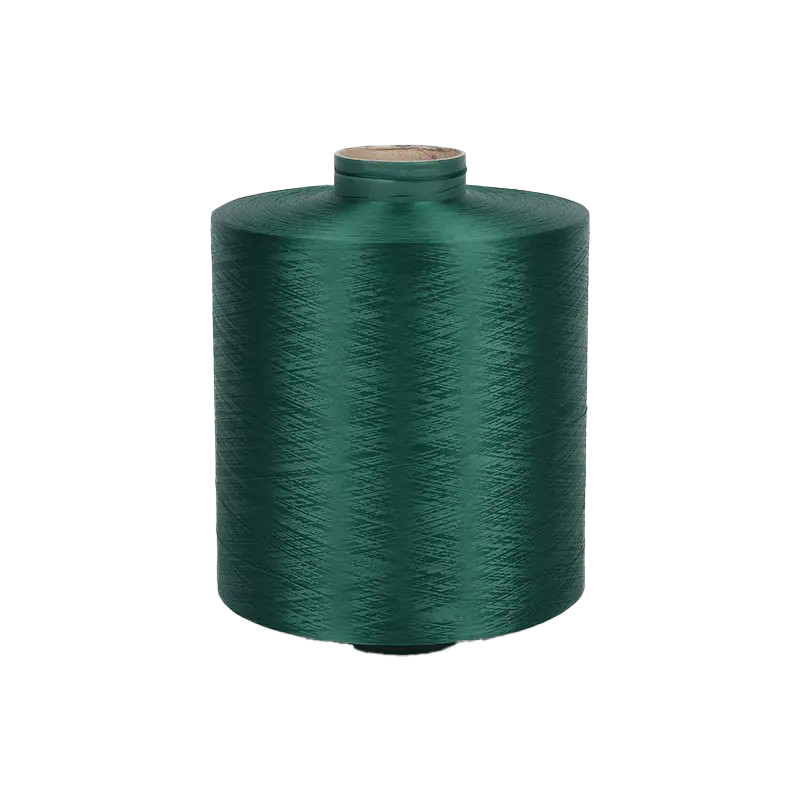
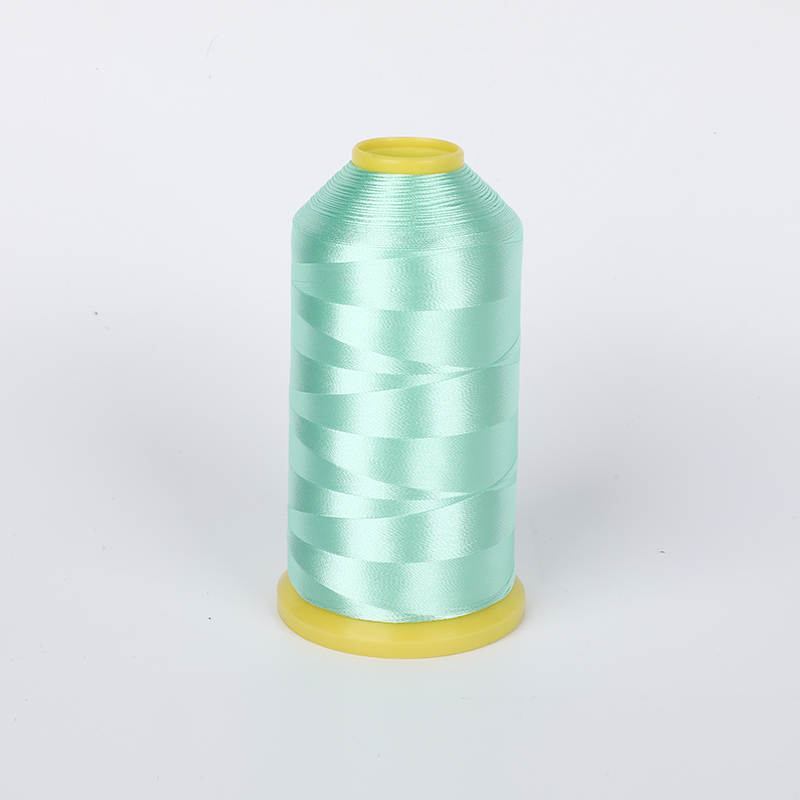
polyester embroidery thread is the most forgiving fiber to store — it resists moisture and mildew better than silk or cotton — but it still benefits from a thoughtful system. The main concerns with polyester are static buildup, dust accumulation, and heat distortion (polyester softens above 80°C / 176°F, which can be triggered by direct sunlight in a closed car or hot storage unit).
- Store polyester spools in sealed plastic containers to prevent dust from settling into fibers.
- Keep away from heat sources — radiators, sunny windowsills, and enclosed vehicles in summer.
- For machine embroidery setups with large polyester cone threads, store cones upright on a cone rack inside a cabinet.
- Label each spool with brand and color code using adhesive labels or a permanent marker on the spool base.
Color Organization Systems That Actually Work
How you organize your thread is as important as where you store it. A disorganized collection — even a well-preserved one — wastes time and leads to duplicate purchases. Two primary systems are used by experienced embroiderers:
By Color Family
Grouping by color (reds, blues, greens, neutrals, etc.) is the most intuitive method for visual artists. It makes it easy to pull multiple shades of one color for shading or blending work. This system works best when your collection is under 200 skeins or spools.
By Brand Color Code Number
Organizing numerically by brand code (e.g., DMC 001–5282, Anchor 001–1216) is preferred by embroiderers who follow printed patterns that specify exact color codes. This method scales better for large collections of 300+ threads and makes restocking straightforward.
Many embroiderers combine both: numerical organization within color-coded sections. For example, all blues sorted by DMC number within one box, all greens in another.
Common Storage Mistakes to Avoid
Even experienced stitchers make storage errors that damage their thread collection over time. Here are the most common pitfalls:
- Storing in plastic bags without ventilation: non-breathable bags trap moisture against natural fibers like silk and cotton, encouraging mildew growth within weeks in humid environments.
- Mixing thread types loosely in one container: different textures snag on each other — metallic threads are especially prone to catching on silk fibers.
- Leaving threads on a hoop between sessions: threads under tension for days or weeks can develop permanent distortion, particularly silk and fine cotton.
- Using scented storage products: lavender sachets and cedar balls may repel moths but can leave oily residues on delicate fibers — use unscented cedar or sealed containers instead.
- Ignoring humidity in seasonal climates: if you live in a region with distinct wet and dry seasons, consider a small dehumidifier in your craft room or check silica gel packets monthly.
Storage Solutions by Collection Size
The right storage system scales with how much thread you own. Here's a practical guide:
| Collection Size | Recommended Storage | Estimated Cost |
|---|---|---|
| Under 50 skeins | Small divided craft box or zip pouches | €5–€15 |
| 50–200 skeins | Bobbin box set with labeled bobbins | €15–€40 |
| 200–500 skeins | Stackable bobbin binder + tackle boxes | €40–€80 |
| 500+ skeins | Dedicated shelving unit with labeled bins + inventory spreadsheet | €80–€200+ |
Keeping a Thread Inventory: A Step Worth Taking
Once your collection exceeds 100 threads, maintaining a simple inventory pays dividends. A spreadsheet with columns for brand, color code, color name, quantity on hand, and location in your storage system prevents duplicate purchases and helps you quickly locate specific shades.
Free apps like DMC Color Companion or general inventory tools like Google Sheets work well. Some embroiderers tape a small thread sample directly to an index card with the color code written below — a tactile reference that also captures the true hue more accurately than screen displays.
For large polyester embroidery thread collections used in machine embroidery, cone labels with QR codes linked to digital inventory sheets can dramatically speed up thread selection during production runs.