

 عربى
عربى
Content
- 1 How to Embroider a Towel: The Direct Answer
- 2 Understanding Terry Cloth: Why Towel Embroidery Is Different
- 3 Step-by-Step: How to Embroider a Towel
- 4 Polyester Embroidery Thread: The Workhorse for Towel Embroidery
- 5 Rayon Embroidery Thread: Superior Sheen for Decorative Towel Work
- 6 Specialty Threads and Yarns for Decorative Towel Embroidery
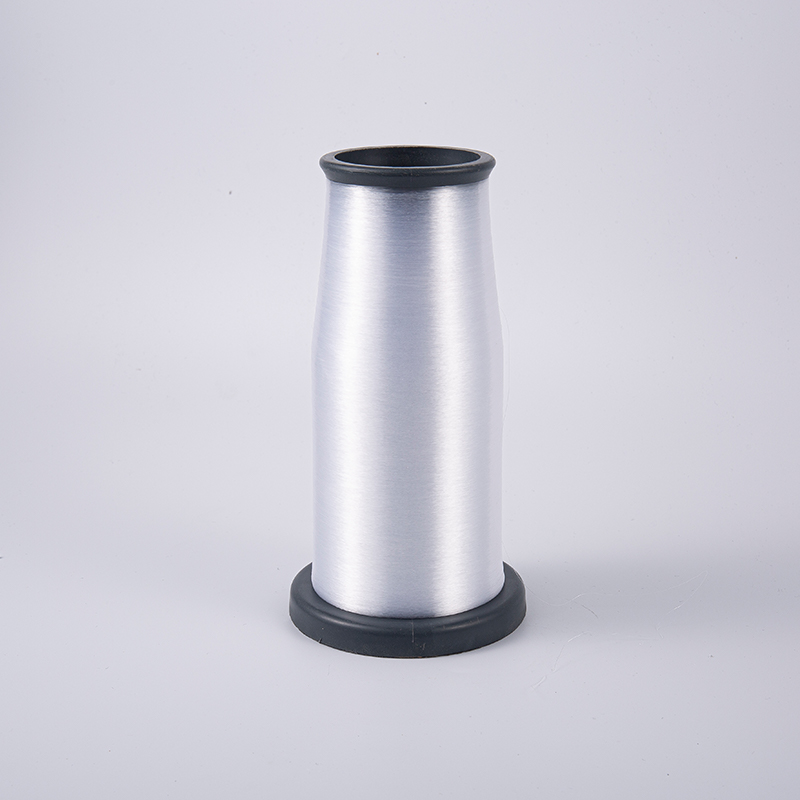
- 7 Nylon Stitching Thread and Sewing Thread: Their Role in Towel Embroidery
- 8 Thread and Yarn Comparison: Choosing the Right Option for Your Towel Project
- 9 Design and Placement Tips for the Best Results
- 10 Common Mistakes and How to Avoid Them
- 11 Key Takeaways: Towel Embroidery Done Right
How to Embroider a Towel: The Direct Answer
To embroider a towel, you stabilize the terry cloth with a water-soluble or tear-away topping, hoop it firmly with a stabilizer underneath, then stitch your design using a thread suited to the towel's texture — most commonly 40-weight polyester embroidery thread or rayon embroidery thread for standard designs, or specialty yarns like sequin yarn, gold metallic yarn, or fancy yarn for decorative effects. Once stitching is complete, you remove the stabilizer and topping, and the design is locked permanently into the fabric.
The single biggest challenge with towel embroidery is the looped pile surface: without a topping layer, embroidery stitches sink into the loops and become invisible. Using a water-soluble stabilizer topping is non-negotiable for clean results on any terry cloth towel. Everything else — thread choice, design density, stitch type — builds on getting that foundation right.
This guide covers the full process step by step, explains every relevant thread and yarn type, and gives you the data you need to make the right material choices for any towel embroidery project.
Understanding Terry Cloth: Why Towel Embroidery Is Different
Terry cloth is a loop-pile woven fabric. The pile loops stand 3–6 mm above the base weave, creating a surface that absorbs stitches rather than supporting them. Unlike embroidering on a flat woven shirt or canvas, a towel's surface actively works against stitch definition.
Three specific problems arise from this:
- Stitch burial: Embroidery stitches fall between pile loops and disappear from the surface — the topping layer prevents this by holding loops flat during stitching
- Fabric distortion: Terry cloth stretches easily under hoop tension, pulling designs out of shape — a firm cutaway or tearaway stabilizer underneath is essential
- Thread snagging: Needle passes through dense pile on the way to the base weave, increasing friction and thread breakage — using a sharp embroidery needle (size 75/11 or 80/12) reduces this significantly
Understanding these challenges explains every material and technique recommendation that follows. Each step in the embroidery process addresses one or more of these three problems directly.
Step-by-Step: How to Embroider a Towel
Step 1 — Prepare Your Design
Choose or digitize a design with a stitch density of 0.4–0.5 mm between rows for satin and fill stitches — denser than standard woven fabric designs. Towel pile compresses stitches slightly, so tighter density compensates. Avoid designs with very fine details smaller than 3 mm; they will not survive washing or show clearly above the pile. Bold fonts (minimum 7–8 mm cap height) and solid filled shapes work best.
Step 2 — Stabilize the Towel
Place a medium-weight cutaway stabilizer (2.0–2.5 oz) under the embroidery area. Cutaway is preferred over tearaway for terry cloth because it remains permanently in the towel, supporting the heavy stitches through repeated washing and use. Tearaway can be used for lighter designs on thinner guest towels, but cutaway is the safer default.
Step 3 — Hoop the Fabric
Hoop the stabilizer alone, then float (pin or adhesive-spray) the towel on top of the hooped stabilizer. Hooping terry cloth directly distorts the pile and stretches the fabric, causing puckering after stabilizer removal. Floating keeps the towel flat and undistorted. Use the smallest hoop that fits your design — less unsupported fabric means less movement during stitching.
Step 4 — Apply Water-Soluble Topping
Cut a piece of water-soluble stabilizer (topping) slightly larger than your design and lay it over the towel surface. Secure it with a few pins or a light spray of temporary adhesive. This topping holds the pile loops flat so the needle and thread sit on top of the surface rather than sinking in. Without topping, stitch definition on terry cloth drops by 60–80%. After embroidery is complete, tear away the bulk of the topping and dissolve the remainder with a damp cloth or brief rinse.
Step 5 — Thread Selection and Machine Setup
Select your upper thread based on the design type (see the full thread guide in the next sections). Use a 75/11 sharp embroidery needle as the standard; switch to a 80/12 for heavier threads or metallic yarns. Set bobbin tension slightly looser than standard to prevent fabric pull-through. Reduce machine speed to 600–700 stitches per minute (SPM) for textured or specialty threads — high speed increases thread breakage on towel surfaces.
Step 6 — Stitch the Design
Run the embroidery in the normal sequence. If the machine stops due to thread breaks, check the needle (replace after every 8–10 hours on terry cloth), verify the topping is still in place over the active area, and confirm thread tension is not too tight. For large fill areas, an underlay stitch (run stitch or zigzag underlay programmed into the design) is essential — it compresses the pile before the top stitches land, dramatically improving definition.
Step 7 — Remove Stabilizer and Topping
Tear away the bulk of the water-soluble topping by hand, then dampen a cloth and gently rub the remaining film away. Trim any excess cutaway stabilizer from the back, leaving a margin of at least 6 mm around the design perimeter. Fluff the pile around the edges of the design with a soft brush or your fingertips. The towel is ready to use or gift immediately — no heat setting required for polyester or rayon threads.
Polyester Embroidery Thread: The Workhorse for Towel Embroidery
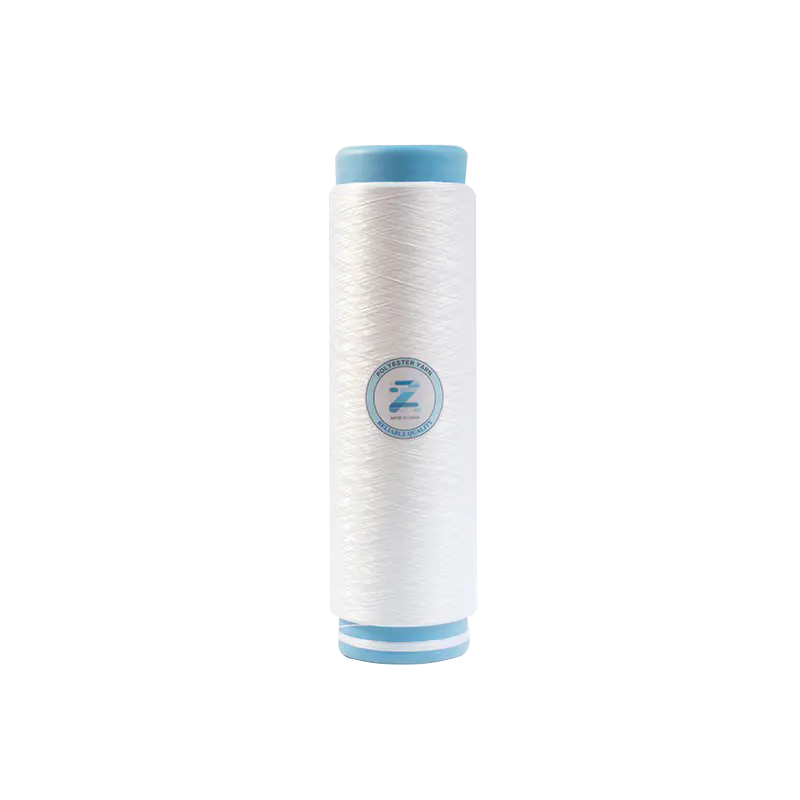
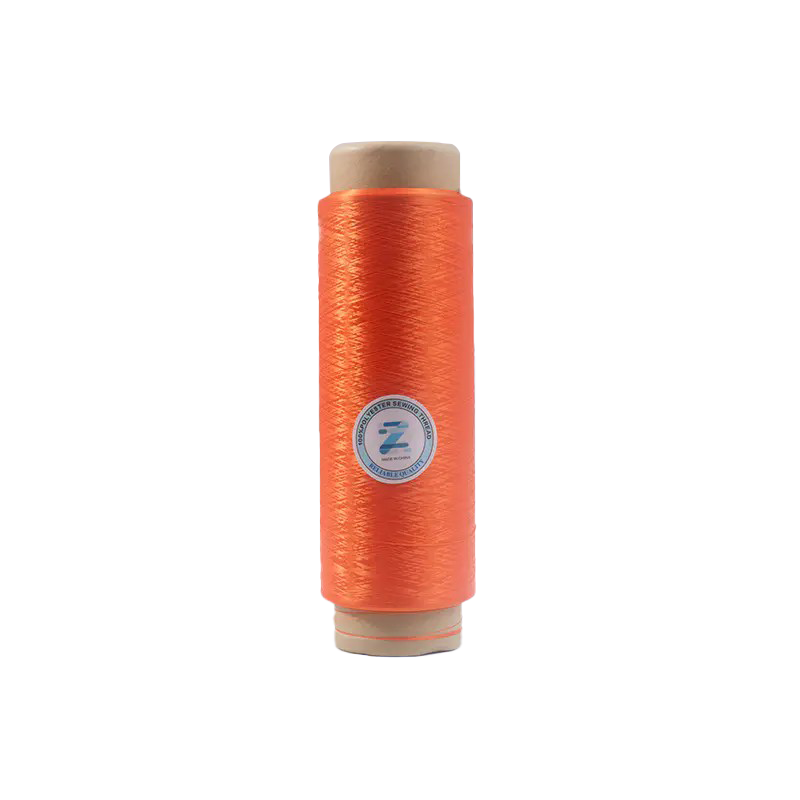
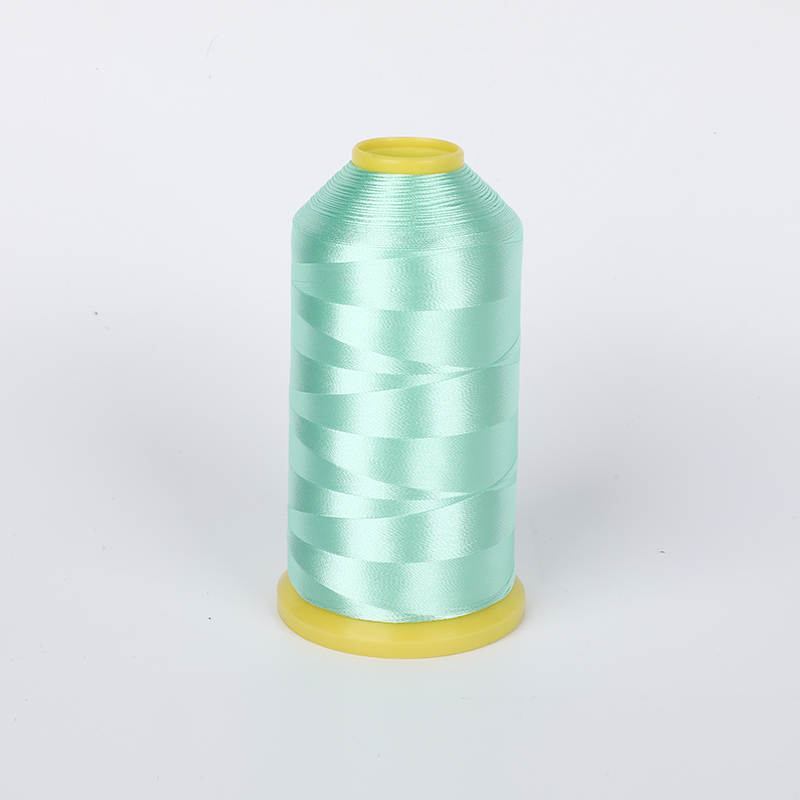
Polyester embroidery thread is the most widely recommended thread for towel embroidery, and for good reason. It combines durability, colorfastness, and ease of use into a format that survives the harsh washing cycles towels endure.
Key Properties
- Weight: Standard 40-weight is ideal for most towel designs; 60-weight for fine details where design allows
- Colorfastness: Polyester dyes are highly resistant to chlorine bleach and hot-water washing — critical for towels that are washed frequently and sometimes with bleach
- Tensile strength: Polyester has a higher breaking strength than rayon at the same weight, reducing thread breaks during high-friction terry cloth stitching
- Sheen: Moderate — less glossy than rayon but more consistent across washes since polyester does not fade or dull the way rayon can after repeated laundering
- Heat resistance: Polyester threads tolerate tumble drying at high temperature without shrinking or warping the design
For commercial towel embroidery operations — hotels, spas, gyms — polyester embroidery thread is the industry standard precisely because it maintains color and structural integrity through 100+ wash cycles where rayon designs may show noticeable fading after 30–50 cycles.
Draw Texturing Yarn (DTY) and Its Relationship to Polyester Thread
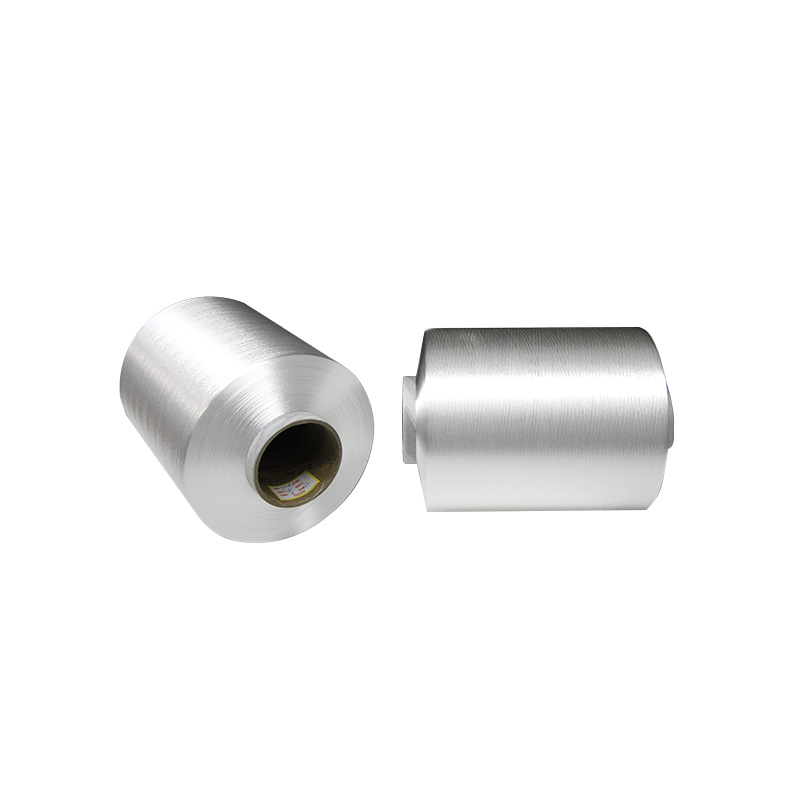
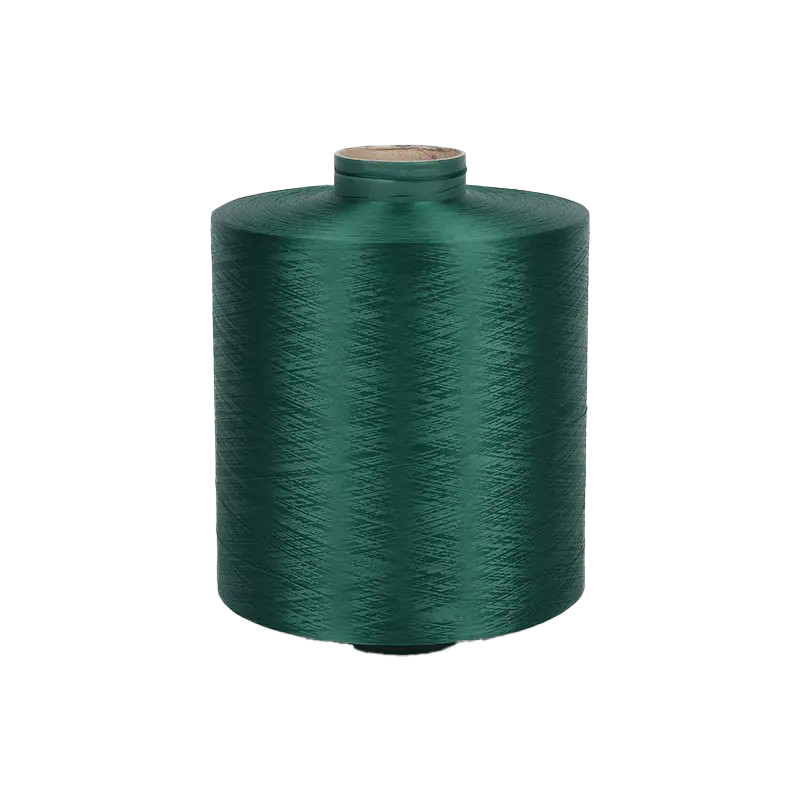
Draw Texturing Yarn (DTY) is a textured polyester yarn produced by drawing and false-twist texturing partially oriented yarn (POY). In the context of embroidery and sewing, DTY forms the raw material base from which many polyester embroidery threads and specialty sewing threads are spun or twisted. Its defining characteristic is a crimped, bulky texture that gives finished threads a softer hand and greater coverage per meter compared to flat filament polyester.
DTY-based threads are used in towel embroidery applications where a slightly softer, less rigid stitch surface is desired — particularly in decorative fill areas where thread feel matters as much as appearance. They are also the backbone of many fancy yarn and sequin yarn constructions discussed later in this article.
Rayon Embroidery Thread: Superior Sheen for Decorative Towel Work
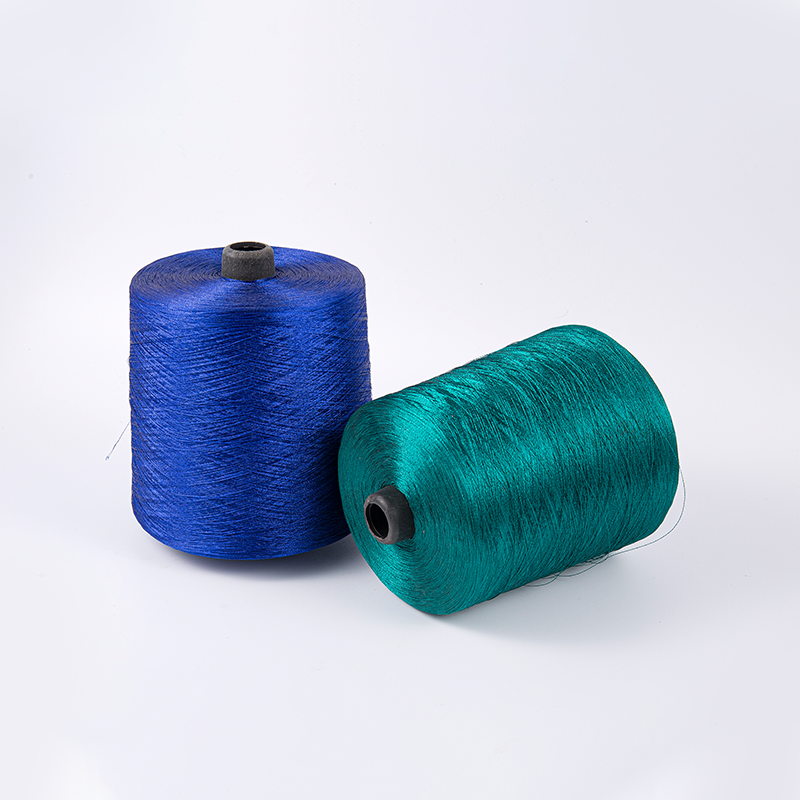
Rayon embroidery thread (viscose rayon) delivers the richest, most silk-like sheen of any standard embroidery thread. For decorative hand towels, gift towels, and monogrammed linen where appearance is prioritized over wash durability, rayon produces noticeably more luxurious results than polyester.
Where Rayon Excels on Towels
- Monograms and script lettering: Rayon's high luster makes individual letters pop against the matte terry cloth background more dramatically than polyester
- Floral and botanical designs: The way rayon catches light creates a dimensional depth effect in petals and leaves that flat polyester cannot replicate
- Display or gift towels: Towels that are displayed rather than used daily (guest bathroom sets, wedding gifts) are ideal candidates for rayon since wash durability is less critical
Rayon Limitations on Towels
- Bleach sensitivity: Rayon breaks down rapidly in chlorine bleach — a significant drawback for bathroom towels in households that use bleach-based cleaning products
- Lower wet strength: Rayon loses up to 50% of its tensile strength when wet, making it more prone to thread breaks during washing over time
- Color fading: After 30–50 high-temperature wash cycles, rayon designs show more color shift than equivalent polyester designs
The practical rule: use rayon when you need maximum visual impact; use polyester when you need maximum longevity. Many professional embroiderers stock both and choose based on the specific towel's intended use.
Specialty Threads and Yarns for Decorative Towel Embroidery
Beyond standard embroidery threads, a range of specialty yarns opens up distinctive decorative possibilities for towel embroidery. Each has specific handling requirements and ideal applications.
Gold Metallic Yarn
Gold metallic yarn (and silver, copper, and colored metallic variants) consists of a polyester or nylon core wrapped with a metallic foil or metallized polyester film. It adds brilliant reflective accents to towel borders, monogram outlines, and decorative motifs. Handling requirements differ significantly from standard thread:
- Needle: Use a size 90/14 metallic needle with a larger eye and a specially coated groove — standard needles cause metallic thread to shred within minutes
- Speed: Reduce machine speed to 400–500 SPM — metallic thread generates more heat friction than standard thread, and high speeds accelerate shredding
- Thread path: Loosen upper tension by 10–15% from your standard setting; metallic thread has less stretch and will break under normal tension settings
- Design placement: Metallic yarn works best as an accent or outline element, not large fill areas — fills require too many stitches at close range, increasing the risk of thread breakage and pile entanglement
Sequin Yarn and Polyester Sequin Yarn
Sequin yarn — including polyester sequin yarn — is a carrier thread with small flat sequin discs threaded at regular intervals (typically every 3–8 mm). When couched onto a towel surface or used in a specialized sequin embroidery machine, it creates a densely reflective surface that catches light dramatically.
On towels, sequin yarn is applied almost exclusively by couching (a technique where the yarn is laid on the surface and a separate thread stitches over it at intervals) rather than being passed through the needle. Key practical points:
- Polyester sequin yarn is preferred over other base materials for towels because polyester resists the moisture and repeated washing inherent in towel use
- Sequin size matters for towels: 3 mm sequins sit more cleanly on terry pile than larger 5–6 mm sequins, which can be displaced by the pile loops
- Sequin-embroidered towels should be washed in a mesh laundry bag and on gentle cycles to protect the sequins from mechanical damage
- Ideal applications: decorative borders on display towels, holiday monogram accents, children's novelty towels
Fancy Yarn
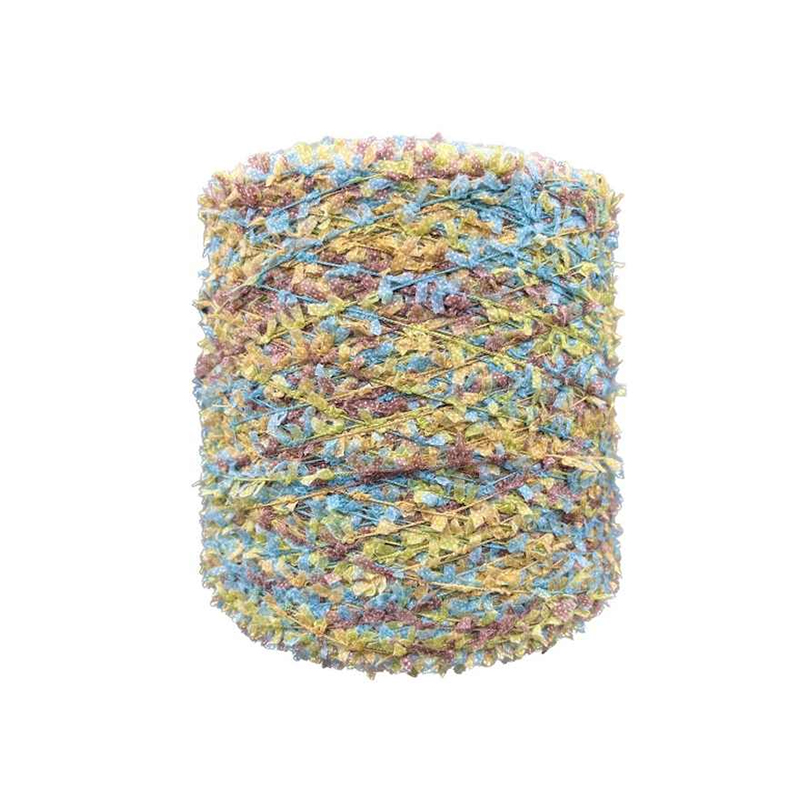
Fancy yarn is a broad category encompassing any yarn with deliberate structural variation — including slub yarns, loop yarns, chenille-effect yarns, boucle constructions, and multi-component twisted yarns. In towel embroidery, fancy yarns are used to create textural contrast effects: a fancy yarn couched onto a flat-stitched design area adds a three-dimensional quality that standard thread cannot achieve.
Because fancy yarns vary enormously in structure, there is no single machine setting — always test on a scrap piece of the same towel fabric before committing to the final piece. Most fancy yarns are too thick or irregular to pass through a needle and are couched rather than stitched directly.
Spandex Air Covered Yarn (ACY)
Spandex Air Covered Yarn (ACY) is produced by wrapping a spandex (elastane) core with polyester, nylon, or cotton covering fibers using an air-jet texturing process. The result is a yarn with stretch and recovery properties combined with the surface character of the covering fiber. In embroidery contexts, ACY is used primarily in stretchable garment embroidery (swimwear, athletic wear), but it appears in towel applications when the towel substrate contains stretch fabric panels or when the embroidery area needs to accommodate elastic movement. Its elastic recovery ensures stitches do not crack or distort when the surrounding fabric stretches — particularly relevant for spa towel wraps with elastic edge panels.
Nylon Stitching Thread and Sewing Thread: Their Role in Towel Embroidery
Nylon Stitching Thread
Nylon stitching thread does not typically appear in the embroidery design itself but plays a critical supporting role in towel production and embellishment. Its primary uses in a towel embroidery context are:
- Bobbin thread: Fine nylon thread (size 60 or 80) is used in the bobbin for machine embroidery because its strength and smoothness reduce tension issues and produce clean lock stitches on the towel back
- Couching anchor thread: When couching sequin yarn or fancy yarn onto a towel, nylon monofilament or fine nylon stitching thread is often used as the tacking thread because it is nearly invisible over the decorative yarn
- Appliqué attachment: Nylon's high tensile strength (nylon breaking strength typically exceeds cotton or polyester at the same diameter) makes it the preferred choice for attaching embroidered patches or appliqué pieces to a towel that will be washed frequently
Sewing Thread
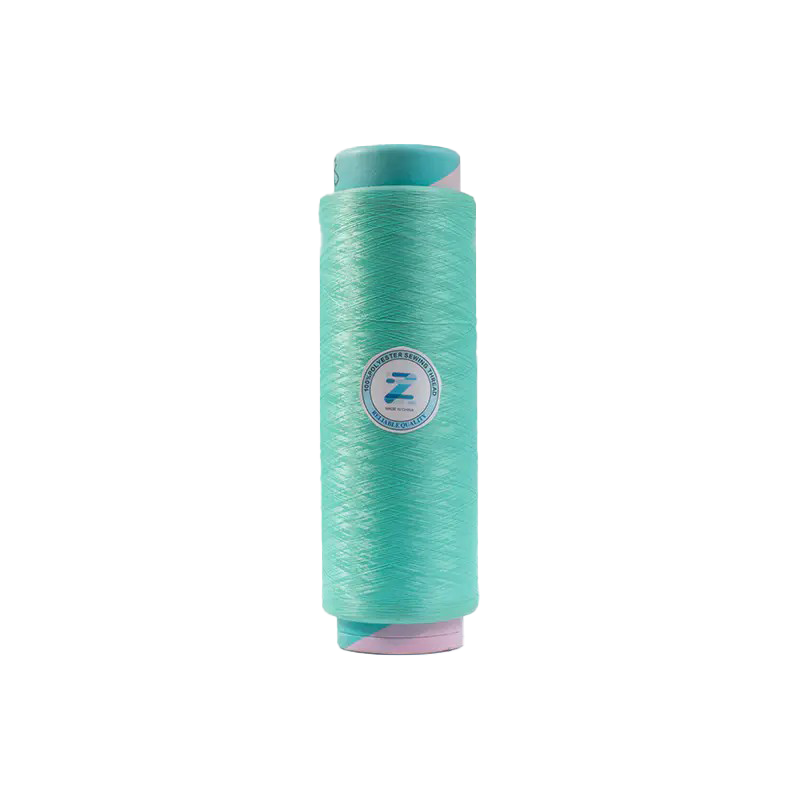
Sewing thread in the context of towels covers the structural stitching used to hem towel edges, attach labels, sew decorative ribbon borders, and join terry panels. The right sewing thread for towel construction shares properties with the best embroidery threads: colorfastness, resistance to hot washing, and compatibility with the towel's base fiber.
- Polyester core-spun thread is the industry standard for towel hemming — the polyester core provides strength while the cotton wrap gives needle grip and reduced heat generation at high sewing speeds
- Thread weight for towel seams: Size 40 or 50 polyester for standard hems; size 30 for reinforced edges on heavy-duty bath sheets
- Stitch type: Overlock (serger) stitching on a 3- or 4-thread configuration is standard for towel edge finishing, using the same polyester sewing thread throughout all looper and needle positions
Thread and Yarn Comparison: Choosing the Right Option for Your Towel Project
The table below summarizes all major thread and yarn types covered in this article, with direct guidance on their best application in towel embroidery.
| Thread / Yarn | Key Property | Wash Durability | Best Towel Application |
|---|---|---|---|
| Polyester Embroidery Thread | Bleach-resistant, high strength | Excellent (100+ washes) | All-purpose; commercial/hotel towels |
| Rayon Embroidery Thread | Highest sheen, silk-like appearance | Moderate (30–50 washes) | Display/gift towels, monograms |
| Gold Metallic Yarn | Reflective, accent shimmer | Good (with gentle washing) | Outline accents, border details |
| Sequin Yarn / Polyester Sequin Yarn | High visual impact, dimensional | Moderate (gentle cycle only) | Decorative borders, holiday towels |
| Fancy Yarn | Textural variation, 3D effects | Varies by construction | Couched accents, textural contrast |
| DTY (Draw Texturing Yarn) | Soft bulk, crimped texture | Good | Soft-hand fill stitches, base for specialty threads |
| Spandex ACY | Stretch and recovery | Good | Stretch panel towels, spa wraps |
| Nylon Stitching Thread | High strength, near-invisible | Excellent | Bobbin thread, couching anchor, appliqué |
| Polyester Sewing Thread | All-round construction durability | Excellent | Hemming, edge finishing, label attachment |
Design and Placement Tips for the Best Results
Where to Position the Embroidery on a Towel
Placement affects both aesthetics and practicality. The most common positions are:
- Lower hem band: The woven or flat-weave band at the bottom edge of many terry towels is the easiest and most stable surface to embroider — pile-free, no topping required, and the design is visible when the towel is folded or hung
- Center of the towel face: Maximum visual impact; requires full topping and careful hooping — best for large monograms, crests, or scenic designs
- Corner placement: A classic position for small monograms (3–5 cm) — visible when the towel is folded on a rack and quick to embroider given the small design area
- Along the top hem: Ideal for repeat border patterns using sequin yarn or metallic accents running the full width of the towel
Design Types That Work Best on Terry Cloth
- Block and serif monograms: Clean letterforms with thick strokes — minimum stroke width 3 mm for legibility above the pile
- Bold floral fills: Large petals and leaves stitched with satin or fill stitches at adjusted density
- Geometric border patterns: Repeating geometric shapes work well as programmed running stitch or satin fill borders across the hem band
- Crests and logos: Institutional designs (hotel logos, gym branding) with solid fill areas and clear outlines translate reliably to terry cloth with correct digitizing
Avoid: script fonts with strokes thinner than 2 mm, photorealistic designs with complex shading, and designs with very small isolated fill areas (under 5 mm square) — all of these lose legibility against the pile surface regardless of thread choice.
Common Mistakes and How to Avoid Them
| Mistake | Cause | Solution |
|---|---|---|
| Design buried in pile, not visible | No topping stabilizer used | Always use water-soluble topping over the design area |
| Puckering after removing hoop | Towel hooped directly without floating | Float towel on hooped stabilizer; never hoop terry cloth directly |
| Frequent thread breaks | Speed too high, wrong needle, tension too tight | Reduce to 600–700 SPM; use size 75/11 sharp needle; loosen tension |
| Metallic yarn shredding | Standard needle, normal tension, high speed | Use 90/14 metallic needle; reduce to 400–500 SPM; loosen tension 10–15% |
| Design fades or frays after washing | Rayon thread used on everyday towel | Switch to 40-weight polyester embroidery thread for washable-use towels |
| Ragged topping residue visible after wash | Topping not fully dissolved or removed | Dampen cloth and rub gently; soak the embroidery area briefly in warm water |
Key Takeaways: Towel Embroidery Done Right
Towel embroidery rewards preparation and the right material choices. Here is a final summary of the most important points from this guide:
- Water-soluble topping is mandatory — without it, stitches sink into the pile and the design disappears; this single step separates successful towel embroidery from failed attempts
- Float the towel; never hoop it directly — hooping distorts terry cloth; floating on a hooped stabilizer preserves fabric integrity
- Polyester embroidery thread is the correct default for any towel that will be washed regularly; it maintains color and structure through 100+ cycles and tolerates bleach
- Rayon embroidery thread gives superior sheen but is best reserved for display or gift towels where wash durability is secondary to appearance
- Specialty materials — gold metallic yarn, sequin yarn, polyester sequin yarn, fancy yarn, and DTY-based threads — require slower speeds, specialized needles, and are best applied as accents via couching rather than large fill areas
- Nylon stitching thread and polyester sewing thread are the structural backbones of towel finishing — invisible in the final product but critical to longevity at hems, edges, and appliqué attachment points
- Machine speed reduction to 600–700 SPM for standard embroidery and 400–500 SPM for metallic yarns is one of the most impactful single adjustments for reducing thread breaks on terry cloth