

 عربى
عربى
Content
- 1 Why Organization Matters More Than You Think
- 2 Understanding Your Thread: Polyester vs. Rayon
- 3 Step-by-Step: How to Prepare Thread for Storage
- 4 The Four Best Storage Systems for Embroidery Thread
- 5 How to Sort and Categorize Your Thread Collection
- 6 Special Considerations for Rayon Embroidery Thread Storage
- 7 Special Considerations for Polyester Embroidery Thread Storage
- 8 Keeping a Thread Inventory Log
- 9 Organizing Thread for Machine Embroidery: Specific Tips
- 10 Common Organization Mistakes and How to Avoid Them
The most effective way to organize embroidery thread is to wind each skein onto a bobbin or floss card, label it with the color number, and store the bobbins sorted by color family in a clear compartment box or binder. This system works for all thread types — including polyester embroidery thread and rayon embroidery thread — and takes less than two minutes per skein to set up. Once in place, it eliminates tangling, makes color selection instant, and protects thread from dust and UV damage. The sections below break down every practical step, from choosing the right storage format to handling the specific properties of each thread type.
Why Organization Matters More Than You Think
A single tangled skein can waste 10–20 minutes of project time to untangle. Embroiderers who work with large palettes — machine embroidery alone can call for 40+ thread colors in one design — report that poor storage leads to duplicate purchases, missed color matches, and damaged thread ends that fray on the first stitch.
Thread type matters too. Polyester embroidery thread and rayon embroidery thread behave differently in storage: rayon is more sensitive to humidity and UV exposure and can weaken or discolor if left loose in open containers, while polyester is more stable but still tangles badly when stored as loose skeins. A system that accounts for these differences protects your investment and keeps thread ready to use.
Understanding Your Thread: Polyester vs. Rayon
Before choosing a storage method, it helps to know what you are storing. Polyester embroidery thread and rayon embroidery thread are the two dominant thread types in both hand and machine embroidery, and they have distinct physical properties that affect how they should be stored and handled.
| Property | Polyester Embroidery Thread | Rayon Embroidery Thread |
|---|---|---|
| Sheen | Moderate, consistent | High, silky luster |
| UV Sensitivity | Low — colorfast for years | High — fades within months if exposed |
| Moisture Sensitivity | Virtually none | Absorbs moisture; can weaken or mildew |
| Tensile Strength | Higher — resists breakage | Moderate — more delicate |
| Color Range | Wide; bright solids and variegateds | Wide; especially rich deep tones |
| Storage Priority | Tangle prevention | UV and humidity protection first |
In practical terms: polyester embroidery thread is forgiving in storage — a clear open box works fine as long as threads are wound and labeled. Rayon embroidery thread needs a closed, opaque, or UV-filtered container kept away from windows and in a room with stable humidity (ideally 40–60% relative humidity).
Step-by-Step: How to Prepare Thread for Storage
Preparation is the foundation of any organization system. Skipping this step and dumping skeins directly into a box is the single biggest cause of the tangling and disorganization most embroiderers are trying to fix.
Wind Thread onto Bobbins or Floss Cards
- Remove the paper label from the skein but keep it — you will need the color number.
- Cut a plastic bobbin (for machine embroidery) or cardboard floss card (for hand embroidery stranded thread) to the right size for your storage box.
- Secure the thread end in the bobbin's notch, then wind evenly and snugly — not so tight that the thread deforms, not so loose that it slides off.
- Write or stamp the brand code and color number on the bobbin or card with a permanent marker. For machine embroidery cones, apply a small adhesive label on the cone itself.
- Tuck the tail end into the notch or under the last wrap so it does not unravel.
Label Every Single Piece
Consistent labeling is what separates a good system from a frustrating one. Include at minimum: the brand name, the color number, and optionally the color name. Many machine embroiderers also add the thread weight (40wt, 60wt) since different weights are not interchangeable on the same project.
A printed color card from the thread manufacturer, kept alongside the storage box, lets you visually confirm a color match without pulling the thread out — saving time and preventing unnecessary handling of delicate rayon embroidery thread.
The Four Best Storage Systems for Embroidery Thread
1. Compartment Box with Bobbins (Best All-Round)
A clear plastic compartment box — the kind sold for fishing tackle or jewelry — holds bobbins upright in individual slots. Standard boxes hold 60–300 bobbins depending on size. This system offers instant visual access, keeps threads separated, and is easy to transport.
- Best for: Hand embroidery stranded floss, small-to-medium collections (up to 500 colors).
- Limitation: Clear lids let in light — place rayon thread boxes away from windows or wrap in a cloth cover.
2. Ring Binder with Floss Cards (Best for Large Hand Embroidery Collections)
Cardboard or plastic floss cards fit into standard baseball-card sleeve pages, which then go into a three-ring binder. Each page holds 9 cards; a standard 2-inch binder holds roughly 250–300 colors. You can flip through the binder like a color swatch book.
- Limitation: Less portable than a box; adding new colors mid-sequence requires re-sorting pages.
3. Thread Rack or Peg Board (Best for Machine Embroidery Cones)
Freestanding cone racks or wall-mounted peg boards hold machine embroidery thread cones upright with the label visible. Commercial racks accommodate 48–120 cones. This is the most visual system — you can see your entire palette at a glance and pull a cone without opening any container.
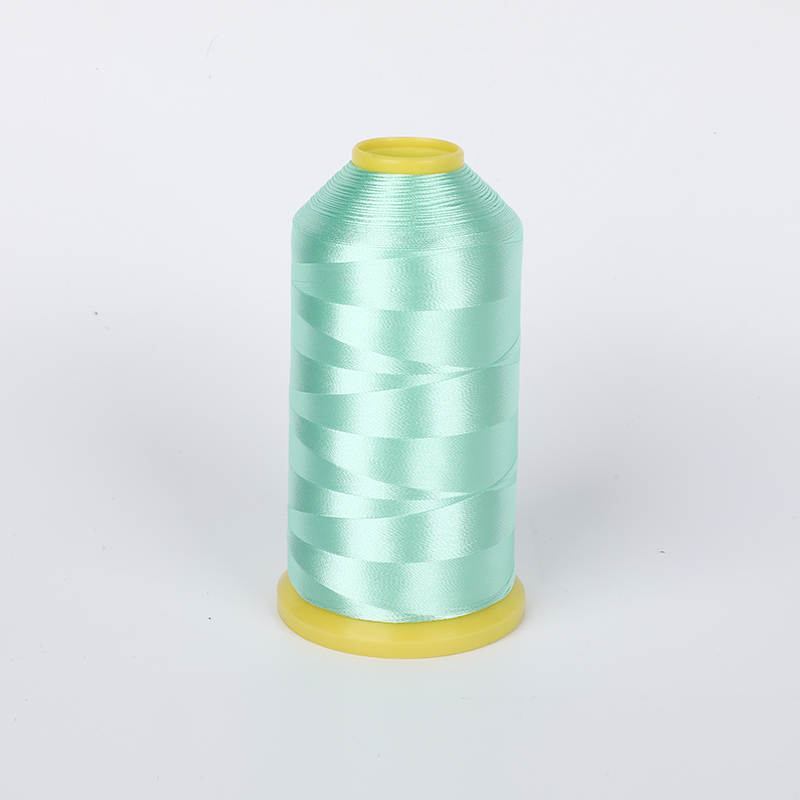
- Best for: Polyester embroidery thread cones and rayon embroidery thread cones used for machine embroidery.
- Limitation: Fully exposed to light and dust; not suitable for rayon embroidery thread unless the rack is in a dark, enclosed cabinet. Always suitable for polyester embroidery thread due to its UV resistance.
4. Zippered Pouches by Project (Best for Active Projects)
A labeled zippered bag holding only the threads needed for a single project keeps your workspace clean and prevents you from pulling the wrong color mid-stitch. Use one pouch per project, include the pattern, a needle book, and a printed color key.
- Best for: Ongoing projects, travel, or when working on multiple designs simultaneously.
- Limitation: Not a long-term storage solution for the full collection; use alongside one of the above systems.
How to Sort and Categorize Your Thread Collection
Once threads are wound and labeled, sorting determines how quickly you can find what you need. There are three practical sorting methods, each with trade-offs:
| Sorting Method | Best For | Pros | Cons |
|---|---|---|---|
| By Color Family | Designers choosing by eye | Intuitive; fast visual selection | Hard to add new colors without re-sorting |
| By Number | Following printed patterns | Fastest retrieval when you know the code | Less visual; requires knowing the number |
| By Brand + Type | Mixed collections (polyester + rayon) | Keeps incompatible types separate | More boxes or sections required |
A practical color family grouping: reds/pinks → oranges → yellows → greens → blues → purples → browns/neutrals → blacks/whites/grays. Within each family, arrange from light to dark.
Special Considerations for Rayon Embroidery Thread Storage
Rayon embroidery thread is made from regenerated cellulose fiber, which gives it an exceptional silk-like sheen but also makes it the most storage-sensitive thread type in common use. Mishandled rayon can fade, weaken, or develop a musty odor within months.
- Block UV exposure: Store in opaque boxes, drawers, or a closed cabinet. Even indirect sunlight through a window can noticeably fade deep rayon colors in 3–6 months.
- Control humidity: Keep storage areas at 40–60% RH. In humid climates, add silica gel packets inside the storage container — one 5g packet per medium-sized box is sufficient. Replace packets every 6–12 months.
- Avoid heat: Do not store near radiators, south-facing windows in summer, or attic spaces. Sustained temperatures above 35 °C (95 °F) accelerate degradation of the cellulose fiber.
- Handle clean: Oils from hands can stain rayon permanently. When winding rayon thread, handle it minimally or wear thin cotton gloves.
- Wind loosely: Rayon thread wound too tightly on a bobbin can develop permanent deformation lines that show up in the finished embroidery as uneven sheen.
Special Considerations for Polyester Embroidery Thread Storage
Polyester embroidery thread is significantly more durable in storage than rayon. Its synthetic fiber resists moisture, UV fading, and temperature fluctuations, making it the lower-maintenance option for large collections. However, it still benefits from a tidy system.
- Dust protection: Polyester attracts static and therefore dust. Even on an open rack, wipe cones with a dry lint-free cloth every few months or keep them in a closed cabinet.
- Watch for variegated and metallic blends: Some polyester embroidery thread products include metallic wraps or blended fibers that are more fragile. Store these with the same care as rayon — in closed, low-light containers.
- Cone orientation: Store large cones upright (vertical), not on their side. Lying a cone flat can cause uneven tension in the wind, leading to thread twist problems during the next machine embroidery run.
- Shelf life: Quality polyester embroidery thread stored correctly remains usable for 10+ years without loss of color or strength — far longer than rayon (typically 5–7 years under good conditions).
Keeping a Thread Inventory Log
For collections exceeding 200 colors, a simple inventory log prevents duplicate purchases and helps you identify gaps before starting a new project. You do not need special software — a spreadsheet with five columns is enough.
| Column | What to Record | Example |
|---|---|---|
| Brand | Manufacturer name | Madeira |
| Type | Thread fiber type | Rayon 40wt |
| Color Number | Manufacturer's code | 1078 |
| Color Name | Descriptive name | Cobalt Blue |
| Stock Level | Full / Partial / Reorder | Partial |
Update the log whenever you finish a cone or skein and mark it "Reorder" rather than discarding it immediately — keeping the empty bobbin in place maintains your sort order and reminds you exactly which number to reorder. Several free apps (Flossify, DMC Thread Manager) can digitize this process on a phone if a spreadsheet feels like too much overhead.
Organizing Thread for Machine Embroidery: Specific Tips
Machine embroidery typically involves larger cones (5,500 m / 6,000 yd) and a more systematic workflow than hand embroidery. Here are the most practical organization tactics specific to machine use:
- Separate polyester and rayon cones physically: They are not interchangeable — tension, needle size, and stabilizer requirements differ. Mixing them in one rack causes machine-setting confusion. Use two separate sections or racks, labeled clearly.
- Group by weight: Keep 40wt, 60wt (fine detail), and 12wt (heavy fill) threads in separate zones. Using a 60wt thread on a 40wt design without adjustment causes thread breaks.
- Use a "currently in use" rail: A small secondary rack or hooks near the machine for the 10–15 colors active in the current project prevents digging through the main storage for each color change.
- Attach a thread break record: A sticky note on the cone tracking how many times it has broken helps identify problem thread before it ruins a project. More than 3 breaks per 1,000 stitches is a signal the thread is old or damaged and should be retired.
Common Organization Mistakes and How to Avoid Them
- Storing skeins loose: Even one loose skein in a box will tangle with everything around it within a week. Always wind before storing — no exceptions.
- Over-filling compartments: Jamming 4 bobbins into a 2-bobbin slot defeats the purpose of a compartment system. Leave one slot empty per 10 as room to grow without re-sorting.
- Ignoring thread age: Old rayon embroidery thread stored poorly loses 15–25% tensile strength over 5 years. If thread breaks repeatedly while being wound onto a bobbin, it is past its usable life regardless of how much remains on the cone.
- Using a single system for all thread types: Rayon and polyester embroidery thread need different storage environments. Designing one universal system and ignoring the differences will eventually result in damaged rayon, even if the polyester is fine.