

 عربى
عربى
Content
- 1 How Much Does Embroidery Cost? The Short Answer
- 2 Key Factors That Determine Embroidery Pricing
- 3 Embroidery Cost Breakdown by Service Type
- 4 Polyester Embroidery Thread: Cost and Characteristics
- 5 Rayon Embroidery Thread: Cost and When to Choose It
- 6 Embroidery Glass Beads: Premium Cost for Premium Results
- 7 DIY Embroidery Costs vs. Professional Services
- 8 Tips to Reduce Your Embroidery Costs
- 9 Choosing the Right Thread for Your Budget and Project
How Much Does Embroidery Cost? The Short Answer
Embroidery typically costs between $5 and $50 per item for professional services, depending on stitch count, thread type, garment complexity, and order quantity. DIY embroidery thread itself is inexpensive—a spool of polyester or rayon thread runs $1–$5—but machine time, digitizing fees, and material choices can significantly affect the final price. Understanding what drives embroidery costs helps you budget accurately, whether you're ordering custom uniforms, decorative pieces, or running your own embroidery business.
Key Factors That Determine Embroidery Pricing
Embroidery pricing is not one-size-fits-all. Several variables interact to produce the final quote you receive from a shop or calculate yourself.
Stitch Count
Stitch count is the single biggest cost driver. A simple left-chest logo might use 3,000–8,000 stitches and cost $5–$12, while a large back design with 50,000 stitches can reach $30–$50 per garment. Most professional shops charge per 1,000 stitches, typically at a rate of $0.50–$1.00 per thousand.
Digitizing Fee
Before a design can be stitched, it must be converted into a machine-readable file—a process called digitizing. This is usually a one-time fee ranging from $20 to $100, depending on design complexity. Some shops waive this fee for orders above a minimum quantity.
Order Quantity
Bulk orders dramatically reduce per-unit cost. Ordering 100 embroidered polo shirts can cut the per-piece price by 40–60% compared to ordering just 6. Most shops have a minimum order of 6–12 pieces.
Thread Type and Material Add-Ons
Standard polyester or rayon thread is included in base pricing. Specialty additions—such as metallic threads, 3D puff foam, or embroidery glass beads—carry surcharges, often adding $2–$15 or more per item.
Embroidery Cost Breakdown by Service Type
| Service Type | Typical Cost Range | Notes |
|---|---|---|
| Small logo (left chest) | $5–$12 per item | 3,000–8,000 stitches |
| Medium design (sleeve/cap) | $10–$20 per item | 10,000–20,000 stitches |
| Large back design | $25–$50 per item | 40,000–80,000 stitches |
| Digitizing fee (one-time) | $20–$100 | Varies by design complexity |
| Bead or specialty embellishment surcharge | $2–$15+ per item | Applied for glass beads, metallic, puff |
Polyester Embroidery Thread: Cost and Characteristics
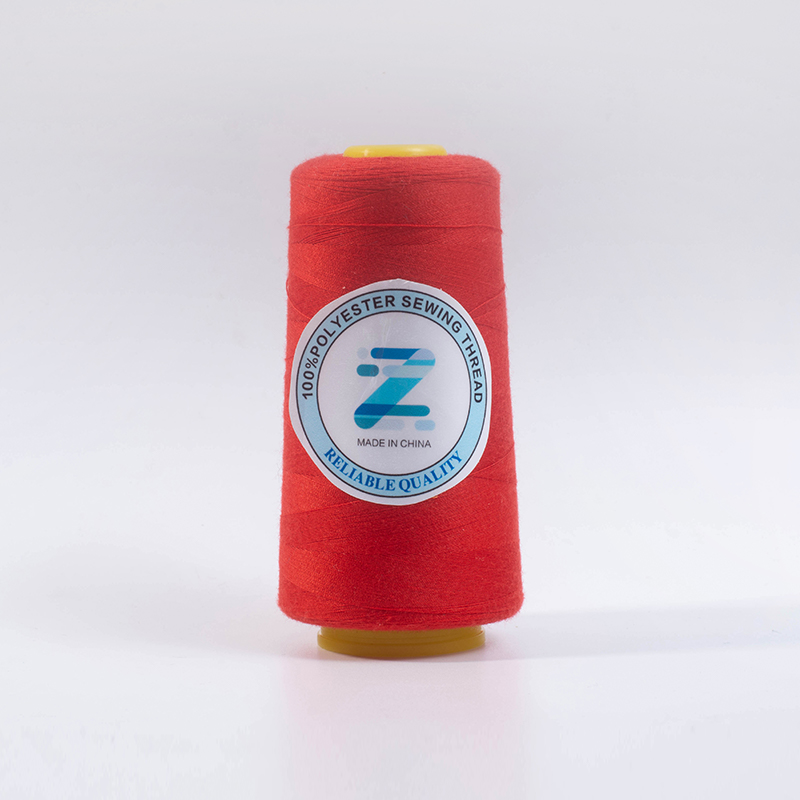
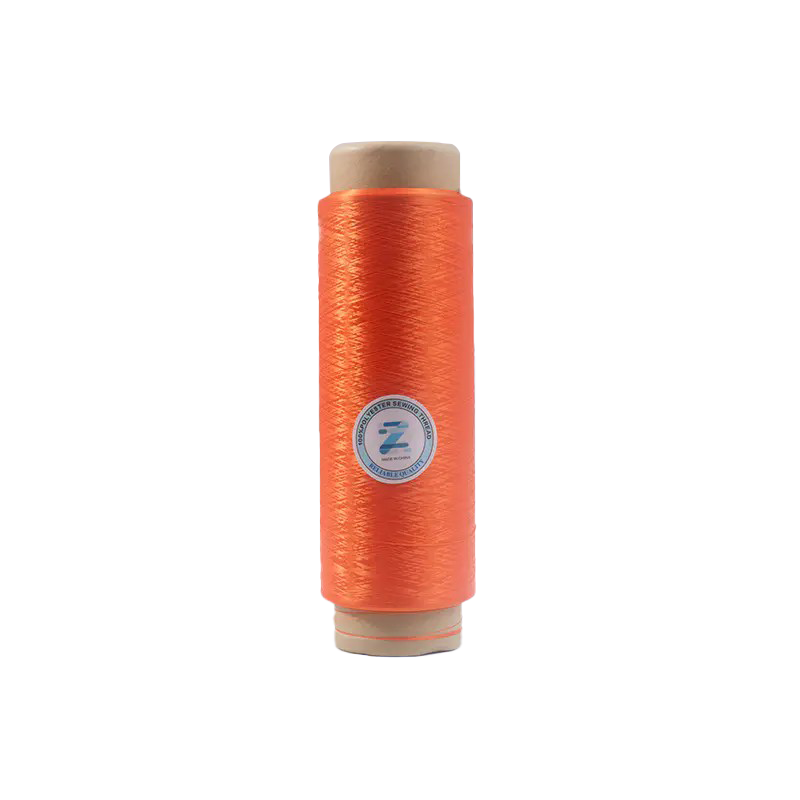
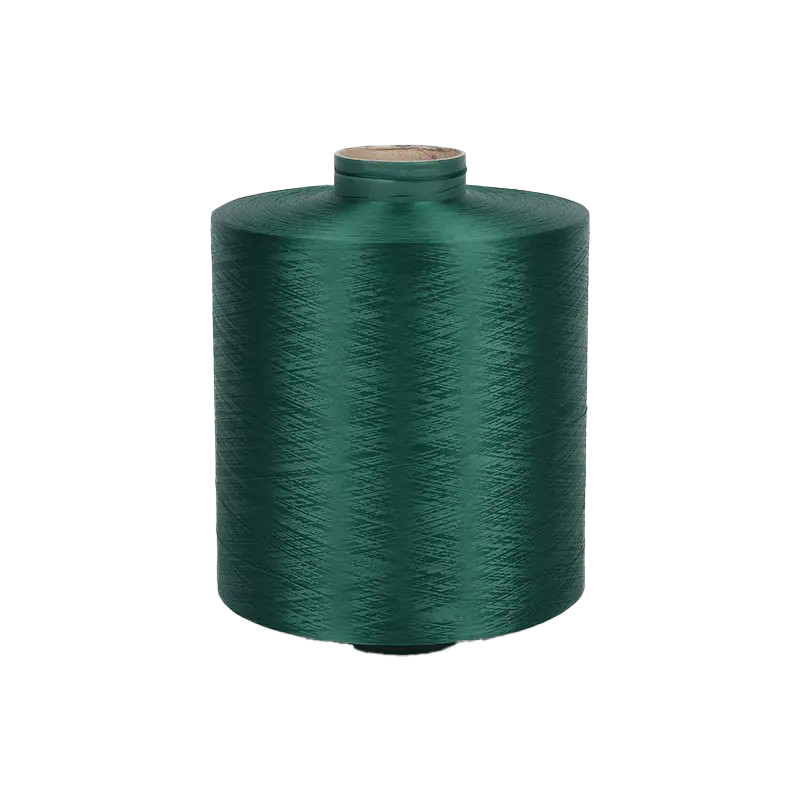
Polyester embroidery thread is the most widely used and cost-effective option available today. A standard 5,500-yard spool costs approximately $1.50–$4.00 retail, and wholesale pricing for shops drops even lower—often under $1.00 per spool when buying in bulk.
Polyester thread is colorfast, meaning it resists fading through repeated washing and UV exposure. It also offers excellent tensile strength, making it the top choice for workwear, uniforms, bags, and any item subjected to heavy use or frequent laundering. Because polyester does not absorb moisture, it performs well in industrial washing environments and maintains its sheen over time.
Key benefits of polyester embroidery thread include:
- Superior wash and fade resistance compared to rayon
- High break strength—typically 1,000–1,500 grams of tensile strength for 40-weight thread
- Available in 300+ colors from major brands like Madeira, Isacord, and Robison-Anton
- Suitable for bleach-resistant applications such as spa and hotel linens
For commercial embroidery operations, polyester thread represents the best cost-per-stitch value, particularly when running high-volume jobs. Its consistency also reduces machine downtime caused by thread breaks.
Rayon Embroidery Thread: Cost and When to Choose It
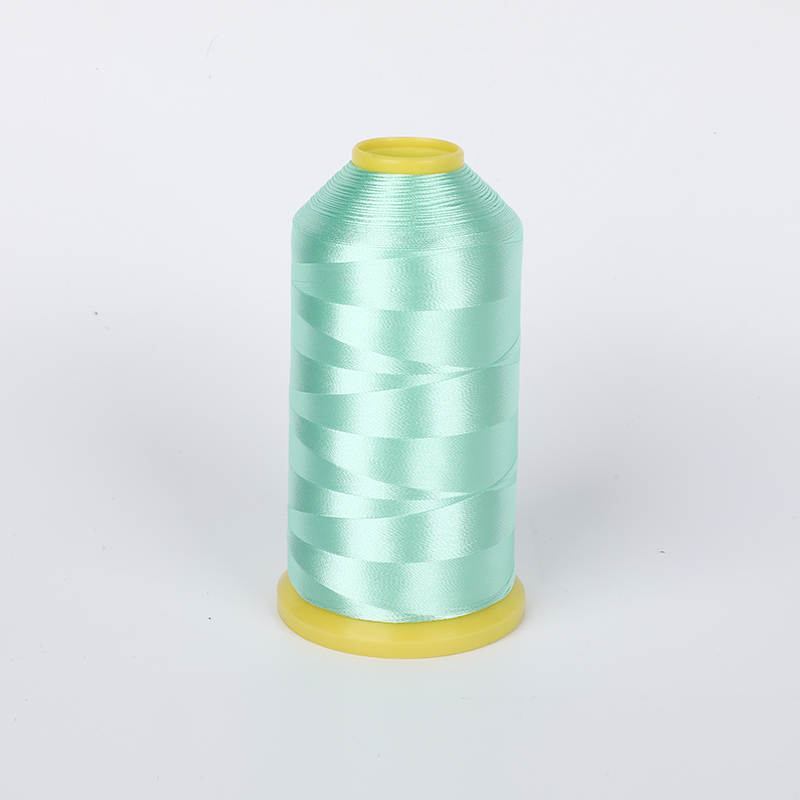
Rayon embroidery thread is prized for its brilliant sheen and silky texture, which gives finished embroidery a luxurious, high-end appearance. Pricing is similar to polyester—a 1,100-yard spool typically retails for $2–$5—but rayon is more commonly sold in smaller quantities, which can make it slightly more expensive per yard.
Rayon is derived from natural cellulose and has a higher natural luster than polyester, making designs appear richer and more vibrant under light. This makes it the preferred choice for decorative home goods, fashion garments, monogrammed gifts, and formal wear where visual impact matters more than durability.
Rayon vs. Polyester: Which Costs More to Use?
| Feature | Polyester Thread | Rayon Thread |
|---|---|---|
| Average Spool Price | $1.50–$4.00 | $2.00–$5.00 |
| Sheen/Luster | Moderate | High (silky) |
| Wash Durability | Excellent | Good (fades over time) |
| Best For | Workwear, uniforms, bags | Fashion, gifts, décor |
| Thread Break Risk | Low | Slightly higher |
| Bleach Safe | Yes | No |
In practice, the raw thread cost difference between rayon and polyester is minimal per finished piece—often less than $0.10 difference per garment. The real cost consideration is the risk of thread breaks with rayon on high-speed machines, which adds machine downtime and labor cost in commercial settings.
Embroidery Glass Beads: Premium Cost for Premium Results
Embroidery glass beads represent one of the most significant cost additions in decorative needlework. Unlike thread-based embroidery, glass bead work requires either hand application or specialized equipment, which dramatically increases labor time and overall project cost.
Seed beads and glass beads used in embroidery typically cost $3–$15 per gram or per tube for retail quantities, with high-quality Japanese seed beads (such as Miyuki or Toho brands) ranging from $4–$12 for a 10-gram tube. A single embroidered garment or decorative panel incorporating glass beads can require dozens of grams, making material costs alone reach $20–$80 per piece before labor.
Types of Glass Beads Used in Embroidery
- Seed beads (size 11/0): The most common type, small and uniform, used for detailed fillings and outlines. Cost: approximately $4–$8 per 10g tube.
- Bugle beads: Cylindrical glass beads ideal for linear designs. Cost: $3–$7 per tube.
- Crystal or faceted glass beads: Used for high-end fashion embroidery and couture pieces. Cost: $10–$30+ per gram depending on cut and origin.
- Charlotte beads: Single-cut seed beads with brilliant sparkle, favored in haute couture. Premium priced at $8–$15 per tube.
Labor Cost for Glass Bead Embroidery
Hand-applied glass bead embroidery is extremely labor-intensive. An experienced embroiderer can apply roughly 200–500 beads per hour depending on the technique. For a moderately complex design requiring 2,000 beads, labor alone at $15–$25/hour can add $60–$250 to the final cost. This is why beaded garments and home décor items—from bridal gowns to decorative cushions—often carry price tags of hundreds to thousands of dollars.
DIY Embroidery Costs vs. Professional Services
If you're weighing whether to embroider items yourself or outsource to a professional shop, the cost comparison depends heavily on volume and equipment investment.
DIY Hand Embroidery Startup Costs
- Basic hoop, needles, and scissors: $10–$30
- Embroidery floss starter set (100 colors): $15–$40
- Fabric stabilizer pack: $8–$20
- Total startup: roughly $33–$90
DIY Machine Embroidery Startup Costs
- Entry-level embroidery machine (e.g., Brother PE535): $300–$500
- Mid-range commercial-grade machine: $1,500–$5,000
- Thread starter kit (40 colors of polyester or rayon): $40–$120
- Stabilizer, hoops, and accessories: $50–$150
For small personal projects or gifts, DIY hand embroidery is clearly more affordable. For recurring business orders over 100+ pieces, investing in a machine pays off. If you only need embroidery occasionally—say, 20–50 customized items per year—outsourcing to a professional shop is almost always more cost-effective than purchasing and maintaining equipment.
Tips to Reduce Your Embroidery Costs
Whether you're placing an order or doing it yourself, these practical strategies can meaningfully lower your embroidery spend:
- Reduce stitch count: Simplify your design by removing fine detail or small text below 4mm in height, which requires denser stitching and inflates stitch counts.
- Order in bulk: Even jumping from 12 to 24 pieces can reduce per-unit cost by 20–35% at most professional shops.
- Reuse digitized files: Pay the digitizing fee once, then reuse the same file for future orders at no additional charge.
- Choose polyester thread over specialty options: Unless sheen or decorative impact is critical, polyester is cheaper, more durable, and easier to work with than rayon or metallic threads.
- Use glass beads selectively: Reserve bead embellishments for focal points rather than full-coverage designs to keep material and labor costs manageable.
- Compare multiple shops: Pricing between local embroidery shops and online services (e.g., CustomInk, Jiffy Shirts) can vary by 30–50% for identical specifications.
Choosing the Right Thread for Your Budget and Project
The decision between polyester embroidery thread, rayon embroidery thread, and embellishments like glass beads ultimately comes down to matching your material choice to the project's end use and budget constraints.
- Choose polyester when durability, wash resistance, and cost efficiency are priorities—ideal for corporate wear, promotional items, and high-volume orders.
- Choose rayon when visual richness and luster matter more than long-term durability—best for decorative items, luxury gifts, and fashion embroidery with limited wash cycles.
- Choose glass beads when creating couture, bridal, or high-end decorative pieces where sparkle, texture, and craftsmanship justify a premium price—typically $50–$500+ per finished item.
A clear understanding of these cost variables means you can make confident decisions—whether you're placing your first order, scaling a decoration business, or perfecting a handcrafted project.