

 عربى
عربىNEWS
Home / News / Industry News / What is Air Covered Yarn and Why It’s Revolutionizing the Textile Industry
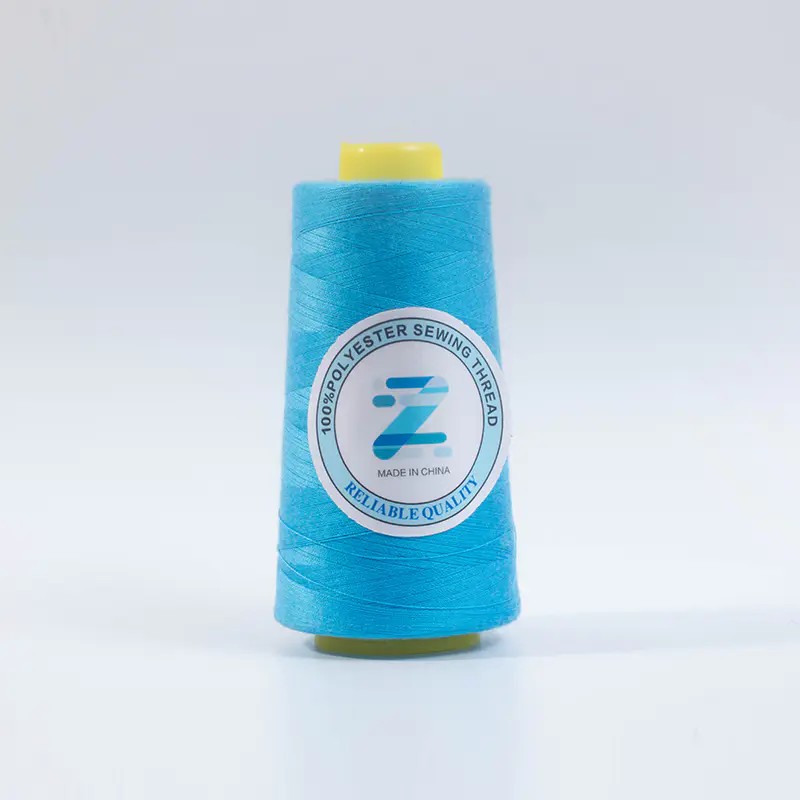
75/36 100% elastic yarn 20D Denier air-wrapped yarn: innovative technology improves fabric breathability
Jun 06,2025
Unraveling the Durability: Why Polyester Embroidery Thread Reigns Supreme
Jun 06,2025
The power of nonwovens: how non-woven fabrics impact modern life
Jun 06,2025
From strength to protection: Nylon cable performance and selection guide for various applications
Jun 06,2025
Creative Ways to Incorporate Sequin Yarn into Clothing Designs for Stunning Visual Effects
Jun 06,2025Content
The textile industry has seen significant advancements over the years, with new materials and innovations constantly shaping the future of fabrics and clothing. One of the latest developments gaining traction in textile manufacturing is Air Covered Yarn. This unique yarn technology is changing the way fabrics are produced, offering a range of benefits for both manufacturers and consumers alike. From providing better comfort to enhancing fabric durability and versatility, air covered yarn is proving to be a game-changer in the textile sector.
To begin, it’s essential to understand what air covered yarn is and how it differs from traditional yarns. At its core, air covered yarn is a type of yarn that is produced by wrapping a filament yarn (such as polyester or nylon) around a core yarn (usually a spandex or elastane filament) using air pressure. This air-wrapping technique creates a yarn that is lightweight, soft, and stretchy, while still retaining the strength of the core material.
The unique aspect of air covered yarn is the way it is manufactured. Unlike conventional covered yarns that use mechanical methods to wrap the filament around the core, air covered yarn relies on air jets to create an even and consistent covering. This air-jet method results in a yarn that is less dense, more breathable, and offers superior elasticity and comfort compared to traditional yarns.
The production process of air covered yarn is a key factor in its ability to outperform traditional yarns. The process involves several steps:
The first step in producing air covered yarn is selecting the right filament. The core filament is typically made of spandex or elastane, as these materials provide the required stretch and flexibility. The covering filament, which can be made from polyester, nylon, or other synthetic fibers, is chosen for its strength and durability.
Once the filaments are selected, the core and cover yarns are combined in an air-jet machine. The air jets wrap the cover filament around the core filament, creating a yarn with a soft, smooth surface. The air pressure ensures that the covering is evenly distributed, resulting in a consistent and high-quality yarn.
After the yarn is wrapped, it goes through a texturizing process to give it the desired texture and elasticity. This step helps the yarn maintain its shape and ensures that it will have the necessary stretch for applications such as activewear, sportswear, and hosiery.
The final step in the production of air covered yarn involves finishing treatments such as heat setting or steaming to enhance the yarn’s properties. This process helps to stabilize the yarn, ensuring that it maintains its shape and elasticity even after repeated use and washing.
The unique properties of air covered yarn are transforming the textile industry in several important ways. Here are some of the key reasons why air covered yarn is revolutionizing the industry:
One of the main benefits of air covered yarn is that it creates lightweight fabrics that are more breathable than traditional textiles. The air-jet wrapping technique creates a yarn that has an open structure, allowing air to circulate freely through the fabric. This makes air covered yarn an excellent choice for clothing and textiles that require breathability, such as activewear, sportswear, and summer clothing.
In addition to being breathable, the lightweight nature of air covered yarn contributes to the overall comfort of garments made from it. Lighter fabrics are more comfortable to wear, especially during physical activities, as they provide better moisture management and allow the skin to breathe.
While air covered yarn is lightweight, it doesn’t sacrifice strength. The core filament, typically made of spandex or elastane, provides the necessary stretch and elasticity, while the covering filament adds strength and durability to the yarn. This combination of properties results in fabrics that are both durable and flexible, making them ideal for applications that require long-lasting performance, such as sports uniforms, compression garments, and activewear.
The durability of air covered yarn also means that garments made from this material are less prone to wear and tear, retaining their shape and elasticity for longer periods. This makes it a cost-effective solution for consumers, as they can enjoy garments that maintain their original form even after repeated washing and use.
Air covered yarn provides a level of softness and comfort that is difficult to achieve with traditional yarns. The air-jet wrapping process creates a smooth, even surface that feels soft against the skin. This makes it an excellent choice for garments that require high levels of comfort, such as underwear, loungewear, and activewear.
The yarn's elasticity also contributes to its comfort, as it stretches and moves with the body, allowing for greater freedom of movement. This is particularly important for sports and fitness apparel, where flexibility and comfort are key factors in performance.
Air covered yarn is incredibly versatile and can be used in a wide range of textile applications. Some of the most common uses for air covered yarn include:
As the textile industry increasingly shifts toward more sustainable practices, air covered yarn is emerging as an eco-friendly option. The production process of air covered yarn is more efficient than traditional yarn manufacturing methods, requiring less energy and water. Additionally, the lightweight nature of air covered yarn means that less material is needed to create high-quality fabrics, reducing waste in the production process.
Furthermore, many manufacturers are now exploring ways to create air covered yarn using recycled fibers, further reducing the environmental impact of textile production.
When comparing air covered yarn to traditional yarns such as cotton, wool, or polyester, several key differences become apparent:
How Spandex Air Covered (ACY) Yarn Is Enhancing Comfort and Durability in Fabrics
2026-01-07
Why Spandex Covered Yarn is Transforming Activewear Fabrics
2026-01-21Your email address will not be published. Required fields are marked *
*Indicates a required field
Copyright © Shaoxing Qiufei Textile Technology Co., Ltd.  Custom Embroidery Thread Yarn Manufacturers