

 عربى
عربى
Content
Elastic thread for sewing is a versatile and often overlooked tool in the world of DIY crafting and garment making. Whether you're working on creating custom clothing, adding decorative touches to home décor, or experimenting with quilting techniques, elastic thread for sewing offers a range of benefits that can elevate your projects. This type of thread, with its unique ability to stretch and return to its original shape, has become indispensable for many sewists, whether they're professionals or hobbyists.
What is Elastic Thread for Sewing?
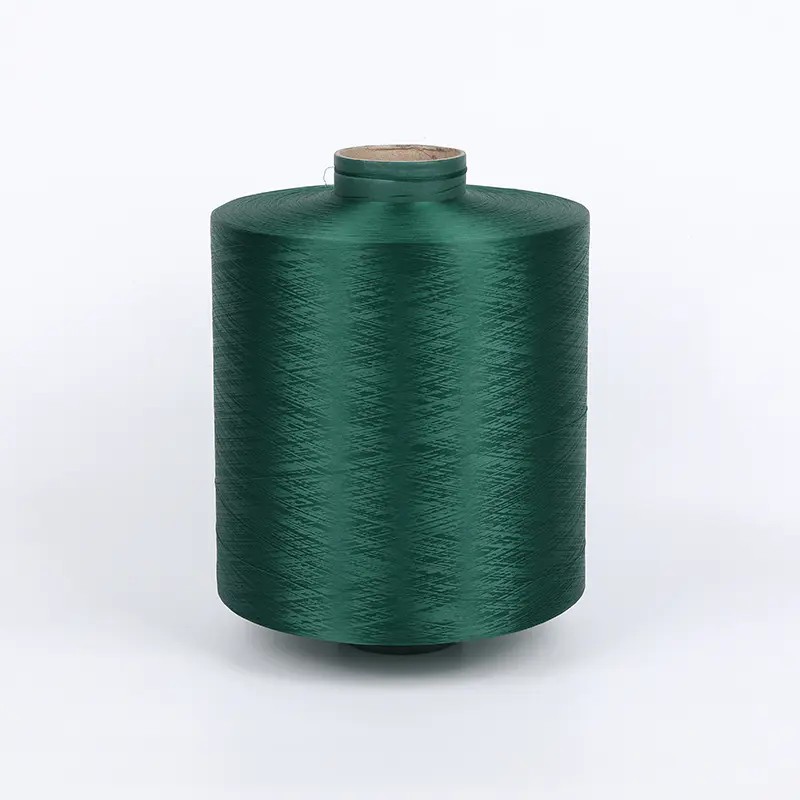
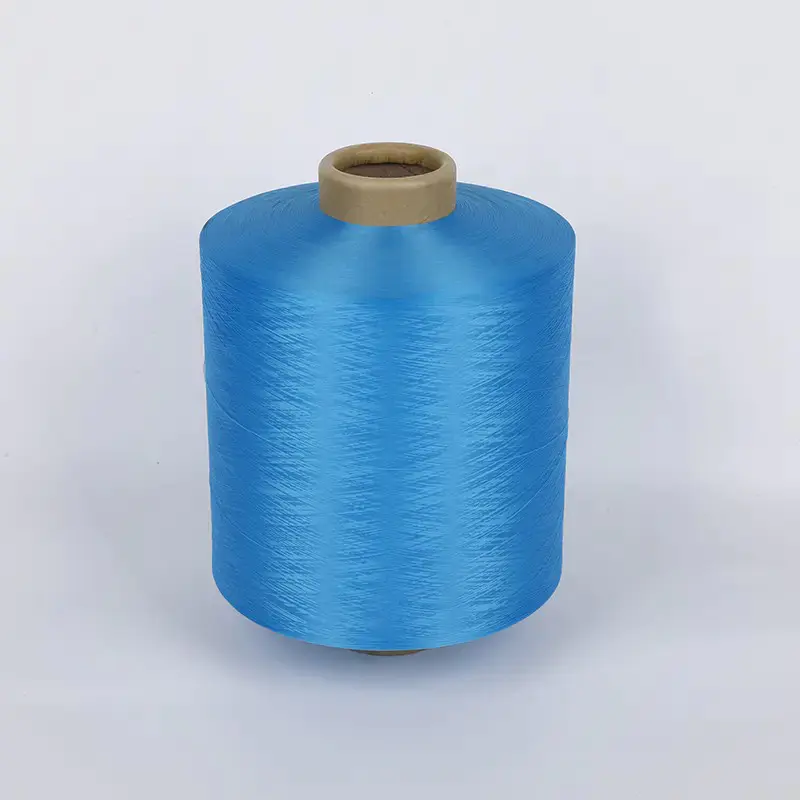
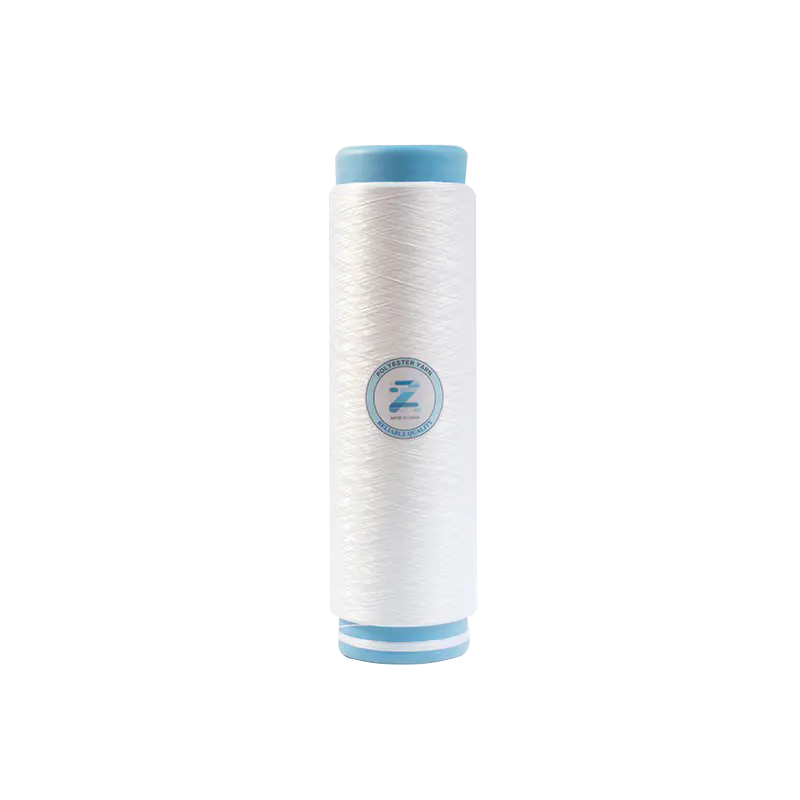
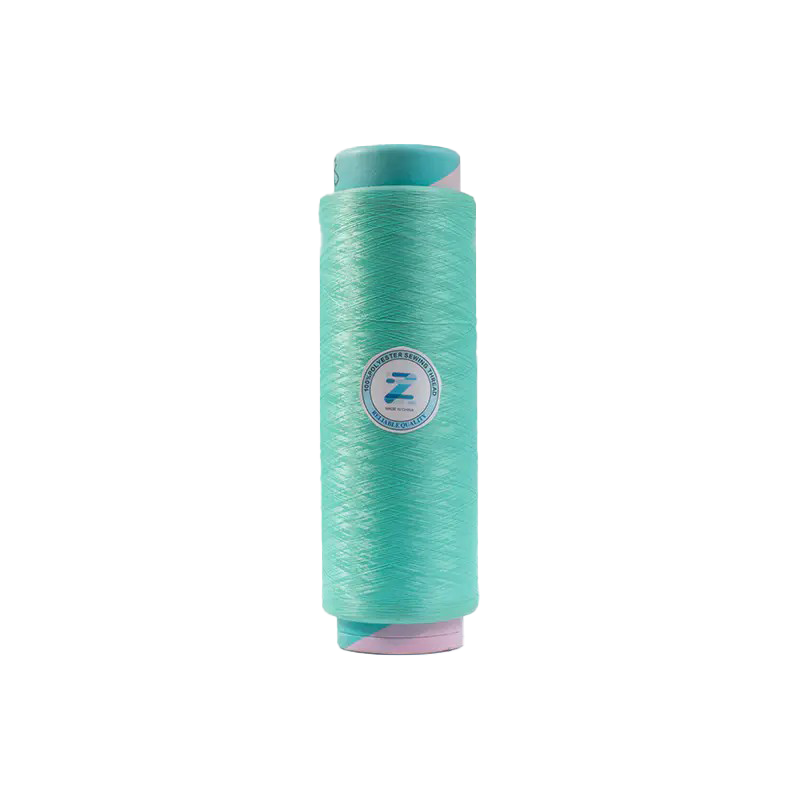
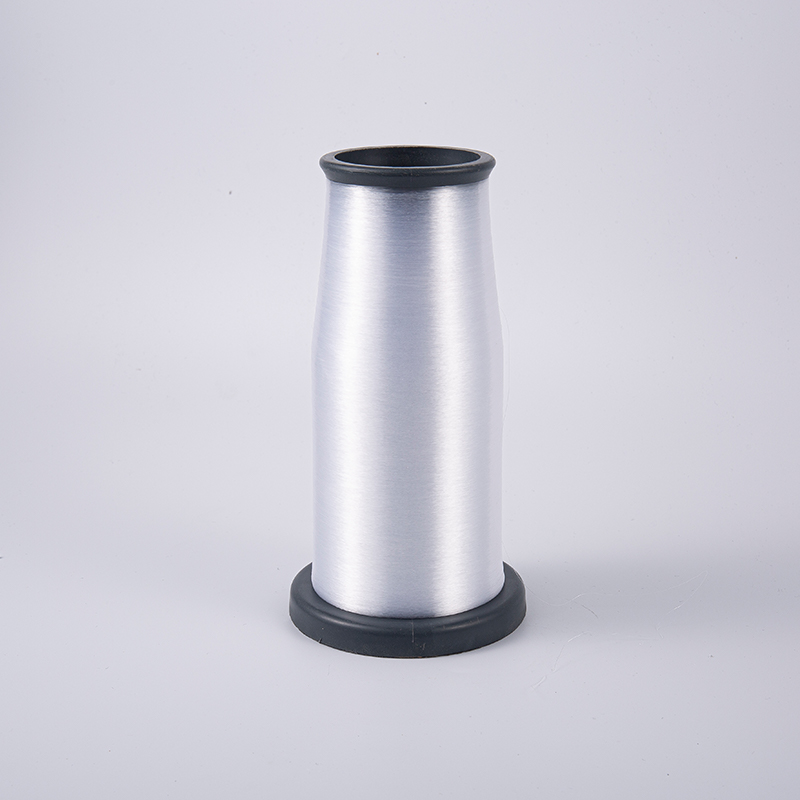
Elastic thread for sewing is a special kind of thread made from elastic fibers like rubber, coated in a smooth fabric like polyester or cotton. This allows it to stretch and return to its original form after being pulled. It’s typically used in projects that require a stretchy element, such as creating form-fitting garments, adding gathering or ruching to fabric, or making comfortable waistbands. Unlike regular thread, which remains static once sewn, elastic thread has the unique ability to stretch when the fabric is pulled and will return to its contracted state once released.
Elastic thread can be sewn using a standard sewing machine, though it requires some specific techniques to get the best results. It is usually sewn into the fabric by winding the elastic thread around the bobbin, while the top thread remains a regular sewing thread. The tension on the elastic thread is crucial as it will determine how much the fabric gathers or stretches when sewn.
Improved Fit and Comfort
One of the primary reasons many sewists opt for elastic thread for sewing is its ability to create a more comfortable and flexible fit in garments. Whether you're making leggings, skirts, dresses, or even children’s clothing, adding elastic thread to specific parts of your design can dramatically improve the garment's fit.
For example, when creating a waistband for a skirt or pair of pants, elastic thread for sewing ensures that the waistband can stretch and move with the body, providing a snug yet comfortable fit. This feature is especially useful for garments like yoga pants, loungewear, or any type of activewear where comfort and flexibility are key. The elasticity of the thread ensures that the garment moves with the wearer, rather than restricting their movement.
Furthermore, elastic thread can be used to create fitted cuffs, necklines, and waistlines. These stretchy elements make the garment more versatile and comfortable, especially for casual or active lifestyles. As a result, elastic thread has become a staple in creating clothing that is both functional and flattering.
Ideal for Gathering and Ruching
Elastic thread for sewing is particularly effective when it comes to gathering and ruching fabric. Gathering involves pulling fabric together to create small pleats or a bunched effect, often used in designs such as skirts, blouses, dresses, or decorative items. Ruching, a technique where fabric is gathered and sewn into soft, textured folds, is another area where elastic thread for sewing truly shines.
Traditional methods of gathering fabric can be time-consuming and require precise, even stitching to avoid puckering. However, when you use elastic thread for sewing, the process becomes much easier. The thread naturally gathers the fabric as you sew, and because it’s elastic, the gathers are uniform and even across the entire piece of fabric. This saves a considerable amount of time and effort, especially for large projects like skirts or draped dresses.
The natural elasticity of the thread also makes ruching much more dynamic. The gathered fabric will expand and contract with the wearer's movement, adding an interesting visual texture while maintaining comfort.
Creating Stretchy Waistbands and Comfortable Fit
Elastic waistbands are a common feature in many DIY garments, such as skirts, pants, and even children's clothing. Using elastic thread for sewing in waistbands ensures that they are not only comfortable but also flexible, adapting to different body shapes. This is especially beneficial when creating garments that need to fit a range of sizes or for those looking for comfort without sacrificing style.
When sewing a waistband with elastic thread, the thread automatically gathers the fabric as you sew. This gives the waistband its stretchiness and ensures it can expand to fit different waist sizes, making it an ideal choice for items like sweatpants, yoga pants, and casual skirts.
Elastic thread is also useful for adding flexibility to other parts of garments, such as cuffs and necklines, where a snug yet stretchy fit is desirable. The resulting fit feels comfortable, allowing for more freedom of movement while maintaining a sleek, tailored look.
Affordable and Easy to Use
Another benefit of elastic thread for sewing is its affordability and ease of use. Compared to other types of elastic materials, such as flat elastic bands, elastic thread is relatively inexpensive and widely available in craft stores and online. This makes it an accessible tool for both beginner and experienced sewists looking to experiment with stretch fabrics or create more fitted designs without investing in expensive materials.
Using elastic thread is relatively simple, and it doesn’t require specialized sewing equipment. You can use a regular sewing machine and just adjust the tension on the bobbin to accommodate the elastic thread. This ease of use, combined with the low cost, makes it an ideal choice for DIY enthusiasts working on projects of any size.
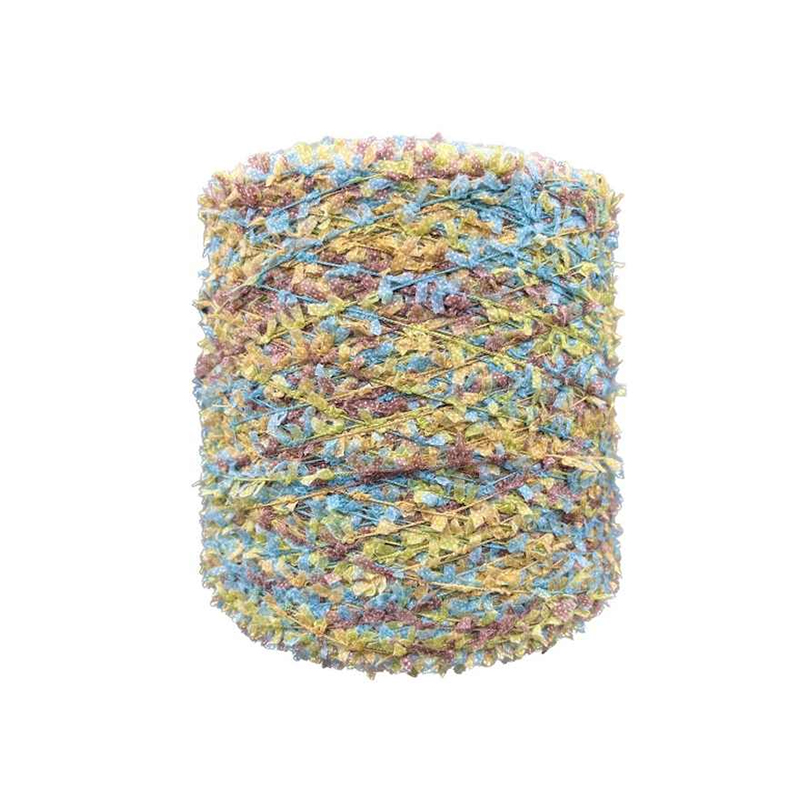
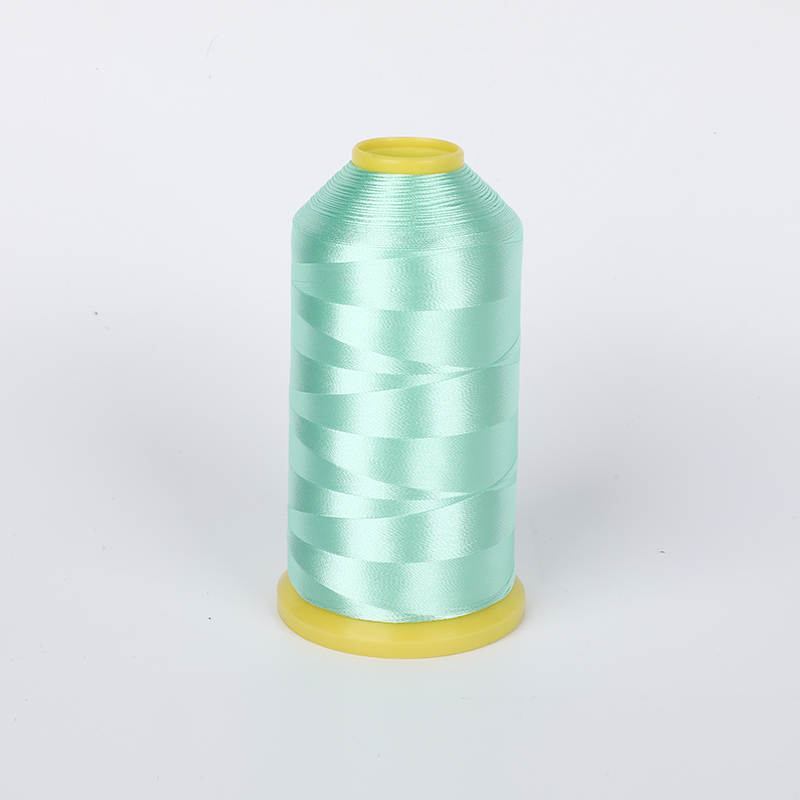
Moreover, elastic thread comes in a variety of colors, which allows you to match the thread to your fabric or make the elastic features blend seamlessly into your garment. Whether you're working on a subtle addition to your design or making the elastic thread a prominent feature, there are many options to customize your project.
Versatility in DIY Projects
Elastic thread is not just for clothing – it’s also incredibly versatile in other types of DIY sewing projects. For example, it can be used in quilting projects to add texture and dimension to a quilt design. Elastic thread can be sewn into different sections of a quilt top to create areas of subtle ruching or pleating, enhancing the visual interest of the finished quilt.
Elastic thread is also ideal for accessories like headbands, belts, and bags. When making headbands, for example, adding elastic thread can help ensure that the headband fits comfortably without being too tight. For bags or other accessories that require a bit of stretch, elastic thread adds flexibility and durability, making the item more functional and long-lasting.
Home décor items such as cushion covers, pillowcases, or even curtains can benefit from the use of elastic thread for sewing. It allows for stretchability and easier fitting when you are working with fabrics that require a bit of give, or when you're designing items that need to adjust or conform to a certain shape or size.
Durability and Long-Lasting Stretch
Unlike traditional thread, which can lose its strength over time, elastic thread for sewing is specifically designed to retain its stretchiness even after repeated washing and wearing. This makes it an excellent choice for projects that will undergo regular use, such as clothing and accessories that require a high level of durability.
In garments like activewear, sportswear, or children’s clothing, where frequent movement and washing are common, elastic thread ensures that the stretchability of the fabric remains intact. This helps maintain the shape and comfort of the garment for an extended period, giving you a high-quality finished product that lasts.