

 عربى
عربى
Content
- 1 What Rayon Embroidery Thread Is Made From and Why It Shines
- 2 Denier, Weight, and Tex: Reading a Rayon Thread Spec Sheet
- 3 Rayon vs. Polyester: A Side-by-Side on Strength, Cost, and Finish
- 4 Washfastness and Chemical Resistance in Practical Terms
- 5 Certifications That Matter to Export and Wholesale Buyers
- 6 Choosing the Right Rayon Denier for Your Product Line
- 7 Frequently Asked Questions
Quick Answer
Rayon embroidery thread is the right choice when a design needs high sheen and vibrant, saturated color, and the finished item won't face constant industrial laundering or chlorine exposure. Standard rayon embroidery thread runs at 120/2 denier (two plies of 120-denier filament for roughly 240 denier total), matching the industry-standard 40-weight specification that most digitized embroidery designs are built around. It withstands washing at temperatures up to 203°F (95°C) and resists bleach well enough for uniforms and commercial linens, but polyester remains the stronger, more abrasion-resistant fiber for high-speed production runs and heavy-wash workwear.
The sections below cover denier and weight specifications, how rayon compares with polyester on strength and cost, washfastness data, certification standards for export buyers, and practical guidance on when to select rayon over the alternatives in your product line.
What Rayon Embroidery Thread Is Made From and Why It Shines
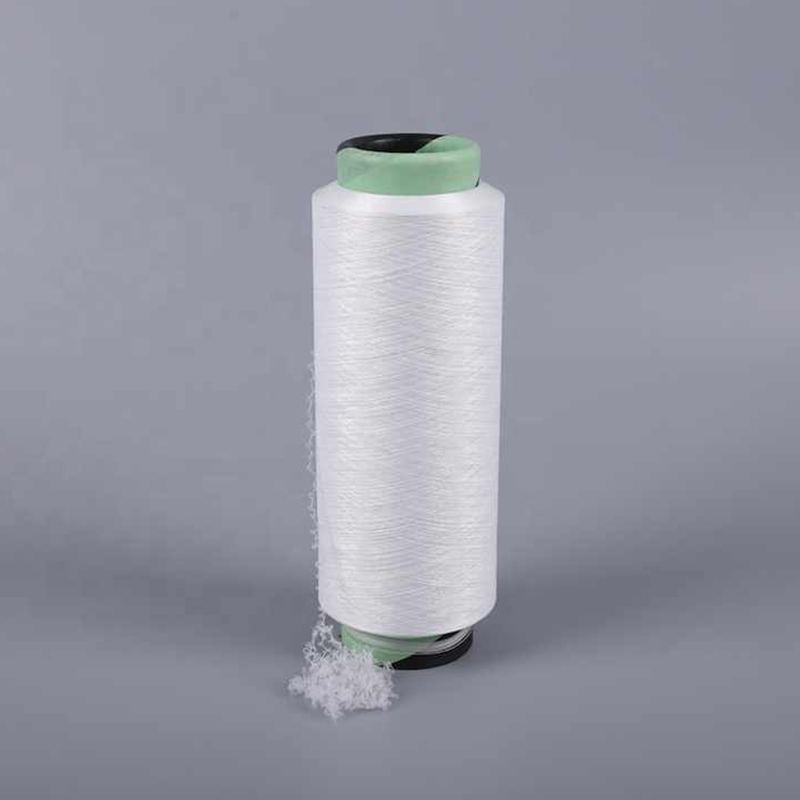
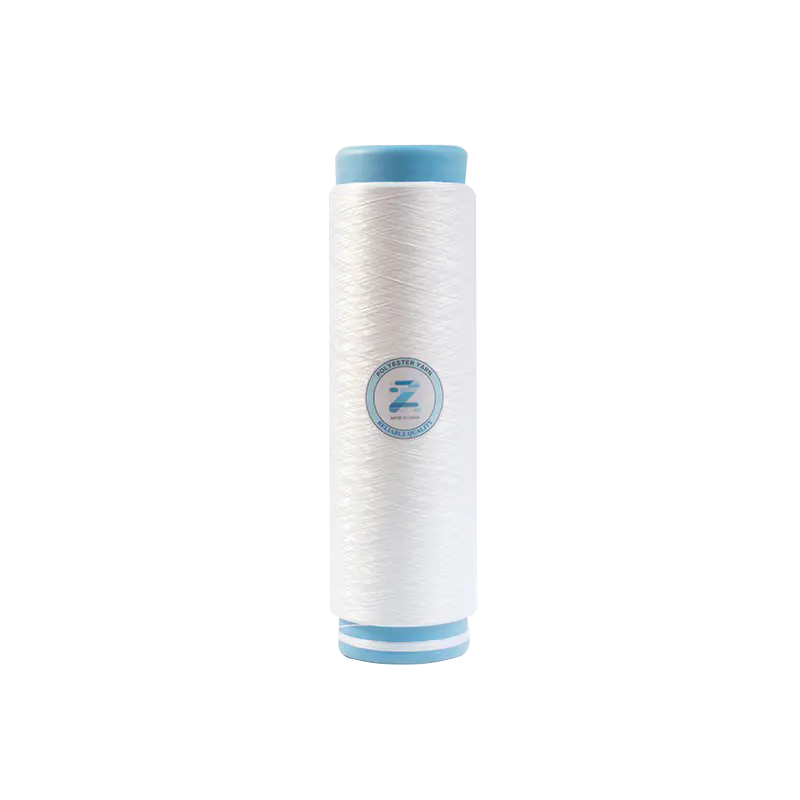
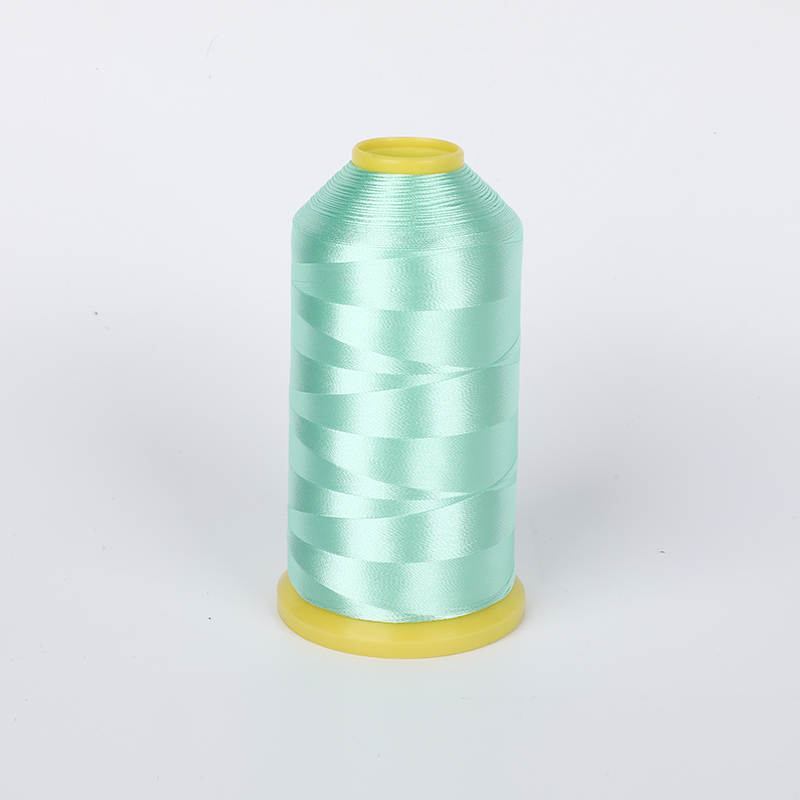
Rayon embroidery thread is a filament thread manufactured from viscose — a regenerated cellulose fiber derived from wood pulp, not a synthetic polymer like polyester or nylon. That cellulose base is what gives rayon its signature high luster: the fiber's smooth, rounded surface reflects light more evenly than the trilobal cross-section common in polyester threads, producing a glossier finish that many digitizers and embroiderers prefer for visible, decorative work.
Three properties define where rayon performs best:
- High luster and color depth — the fiber absorbs and holds dye exceptionally well, producing bright, saturated colors that stay visually distinct even in dense stitch fields.
- Soft hand-feel — rayon lies flatter and softer against fabric than polyester, which matters on garments worn close to skin.
- Lower machine wear — rayon is gentler on needles and tensioners over time, since it generates less friction-based heat than harder synthetic fibers.
120/2standard denier spec for machine embroidery
40 wtequivalent industry weight standard
203°Fmax wash/dry-clean temperature tolerance
75+ yrsrayon's track record on industrial embroidery machines
Denier, Weight, and Tex: Reading a Rayon Thread Spec Sheet
Thread specifications confuse more buyers than any other part of the sourcing process, mostly because two different measurement systems run in opposite directions. Denier and tex are direct systems — a higher number means a thicker, heavier thread. Weight (as in "40 wt") is an indirect system — a higher number means a finer, lighter thread, because it describes how many kilometers of thread it takes to weigh one kilogram.
| Specification | Approx. equivalent | Typical use |
|---|---|---|
| 120/2 denier | ~40 wt, ~13 tex | Standard machine embroidery — the industry default |
| 100/2 denier | ~48 wt | Finer detail work, smaller lettering |
| 150/2 denier | ~30 wt | Bolder coverage, heavier fill areas |
| 60 wt rayon | Lighter than 40 wt | Fine text, small monograms, delicate detail |
100/2 denier — fine detail~48 wt
120/2 denier — standard~40 wt
150/2 denier — bold fill~30 wt
Why the spec matters at the machine
Most digitized embroidery designs are built for 40-weight thread. Substituting a heavier 30-weight thread without adjusting the digitizing file increases stitch diameter, which can cause the thread to bind on itself, break, or jam the machine — the design simply wasn't built with that much thread bulk in mind. Always match thread weight to the digitizing specification, not just to the color you need.
Rayon vs. Polyester: A Side-by-Side on Strength, Cost, and Finish
These two fibers dominate commercial embroidery, and the choice between them comes down to what the finished piece will endure after it leaves the embroidery machine — not just how it looks the day it's stitched.
Rayon Embroidery Thread
- Superior sheen and color vibrancy, especially in dense fill areas
- Softer hand-feel, less abrasive to machine tensioners and needles
- Handles washing and dry-cleaning up to 203°F
- Slightly lower tensile strength — more prone to breaking at very high embroidery speeds
- Best for: decorative apparel, gifts, linens, and uniforms with standard commercial laundering
Polyester Embroidery Thread
- Higher tensile strength, fewer thread breaks on high-speed multi-head machines
- Excellent colorfastness under repeated washing and harsh chemical exposure
- More economical per unit cost in most markets
- Slightly less lustrous finish; wears needle eyes marginally faster over long runs
- Best for: swimwear, chlorine-exposed items, heavy-duty workwear, high-volume production
Both fibers are genuinely strong enough for embroidery, since the thread is "coloring in" a design rather than bearing structural load like a seam thread. Strength differences only become a practical concern at very high machine speeds or on items facing frequent industrial washing — which is why many production floors stock both fibers rather than standardizing on just one.
Washfastness and Chemical Resistance in Practical Terms
Rayon's washfastness is a genuine strength, not just a marketing claim. Rayon embroidery thread launders and dry-cleans well at temperatures up to 203°F and tolerates bleach and harsh chemical exposure — properties that hold up across repeated commercial laundering cycles, which is why it's a viable choice for uniforms and linens serviced by industrial laundries rather than delicate hand-washing only.
- Commercial laundering: rayon holds color and finish through repeated high-temperature commercial wash cycles.
- Bleach exposure: tolerant of harsh chemicals commonly used in institutional laundry processes.
- Chlorine exposure: polyester is the better-suited fiber here — rayon is not the recommended choice for swimwear or pool-adjacent apparel facing prolonged chlorine contact.
- Sun and prolonged heat exposure: rayon color can fade somewhat faster than polyester under sustained high-heat or frequent-wash conditions, a tradeoff worth flagging to buyers producing outdoor or heavy-rotation garments.
Certifications That Matter to Export and Wholesale Buyers
For buyers sourcing thread for garments, linens, or children's products, certification isn't a formality — it determines whether the finished product clears import inspection in many markets. The certifications that come up most often in embroidery thread sourcing conversations:
| Certification | What it verifies |
|---|---|
| OEKO-TEX Standard 100 | Tests for harmful substances across roughly 100 restricted chemicals, including azo dyes, heavy metals, and formaldehyde |
| ISO 9001 | Quality management system certification for manufacturing consistency |
| AATCC colorfastness tests | Standardized tests for washing, rubbing (crocking), and light exposure resistance |
| GOTS | Organic and sustainability certification covering the full production chain |
Sourcing tip
OEKO-TEX Standard 100 certification applies to every component of a finished textile product — including the embroidery thread itself, not just the base fabric. If you're supplying thread into garments destined for markets with strict import chemical-safety requirements, ask your supplier for current OEKO-TEX documentation rather than assuming certification carries over from the fabric alone.
Choosing the Right Rayon Denier for Your Product Line
Matching denier to application prevents two common and costly problems: thread that's too fine to show up on a design, or thread that's too heavy for the stitch density the design was built for.
- Standard apparel logos, monograms, and general decorative work: 120/2 denier (40 wt) — the default that fits the overwhelming majority of digitized designs.
- Fine lettering, small text, or detailed monograms under an inch: step down to 100/2 denier or 60 wt for cleaner definition.
- Bold fill areas, large-scale logos, or heavier statement designs: 150/2 denier (30 wt) adds visible texture and coverage.
- Confirm with your digitizer or embroidery buyer which weight the stitch file was built for before substituting a different denier.
- For items facing frequent bleach-based commercial laundering (hospitality linens, uniforms), rayon's washfastness profile makes it a suitable and often preferred choice over cheaper alternatives that fade faster.
Frequently Asked Questions
What denier is standard rayon embroidery thread?
120/2 denier is the industry standard — two plies of 120-denier viscose filament combined for roughly 240 denier total, which corresponds to the widely used 40-weight specification most digitized embroidery designs are built around.
Is rayon or polyester embroidery thread stronger?
Polyester has a slight edge in raw tensile strength and is somewhat more resistant to breaking at very high embroidery machine speeds. In practical terms this rarely matters, since both threads simply fill in a design rather than bear structural load the way a garment seam thread does.
Can rayon embroidery thread be commercially laundered?
Yes. Rayon embroidery thread tolerates washing and dry-cleaning at temperatures up to 203°F and resists bleach well, making it a suitable choice for uniforms and linens serviced by commercial or institutional laundries.
Should I use rayon thread for swimwear or pool-related apparel?
Polyester is generally the better choice here. Rayon performs excellently under standard commercial washing, but polyester's greater tolerance for prolonged chlorine exposure makes it the more durable option for swimwear specifically.
Sourcing Rayon Embroidery Thread in Bulk?
We supply rayon and polyester embroidery thread across standard denier ranges alongside sequin yarn, metallic yarn, and sewing thread for wholesale and export orders — get spec sheets and pricing for your production run.
Request a Quote